The Seventh Sense
1999
No user ratings available yet
Representation score: 6.4 out of 10
Representation Score
Fair
1982
PGDirector
Eric Till
Runtime
103 minutes
Average Rating
No ratings yetNew Showbiz Analysis
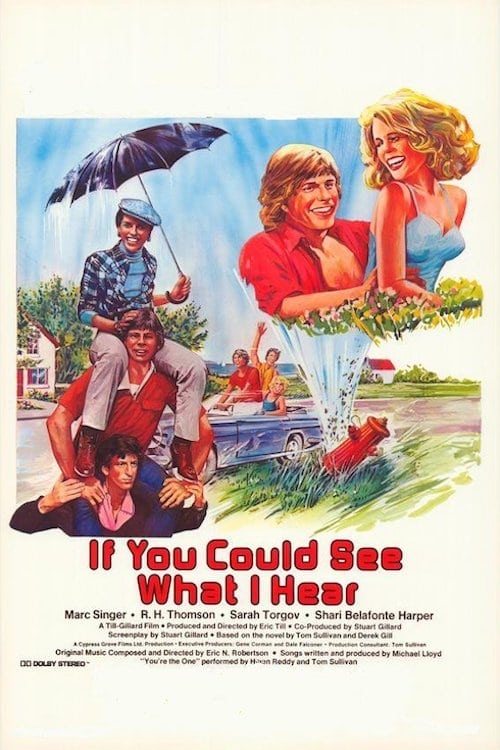
If You Could See What I Hear is a traditional biographical drama that finds its strength in its central premise. By focusing on the professional ability to act of a blind musician, the film offers a degree of meaningful disability representation that moves beyond purely tragic clichés. However, the film remains firmly rooted in the social and gender hierarchies of the early 1980s. The narrative structure follows a conventional trajectory of individual triumph, lacking any significant challenges to systemic social hierarchies. Ultimately, while the film succeeds as a character study of talent and perseverance, it lacks diversity in its romantic, racial, and cultural frameworks.
Category Breakdown
The film follows a traditional love story structure typical of 1982 cinema. It adheres to the assumption that everyone is straight or cisgender without showing any non-binary gender identities.
The narrative centers on a male protagonist, prioritizing a male-driven storyline. While female characters appear in the romance, the film focuses on a standard study of male competence.
The film likely reflects the demographic norms of its era and setting. There is no indication of casting actors with different backgrounds or a diverse, non-Anglo-Saxon majority cast.
The story operates within a conventional Western dramatic framework. It focuses on individual achievement and interpersonal connections rather than critiquing Western institutions or social norms.
The film provides meaningful representation by centering a blind musician. It gives the protagonist real power through his craft, though it remains unclear if it avoids clichés about inspiring stories involving disabilities.
Present on Screen
Limited or Absent
Official Synopsis
A light comedy/love story based on the life of blind musician Tom Sullivan.
1999
1998
1983
2017

1957
1975
2019
1991
No reviews yet. Be the first to share your thoughts on this movie!
Use the rating form above to leave a star rating and optional review.