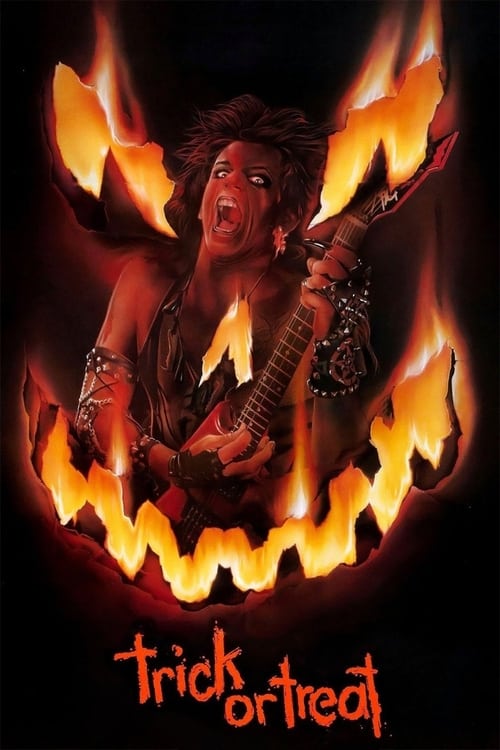
Trick or Treat
1986
No user ratings available yet
Representation score: 3.7 out of 10

Representation Score
Excellent
1974
PGDirector
Brian De Palma
Runtime
92 minutes
Average Rating
No ratings yetNew Showbiz Analysis
Phantom of the Paradise is a postmodern critique of systemic exploitation rather than a study of specific identity demographics. It gains strength through its aggressive deconstruction of capitalist institutions and the subversion of traditional moral hierarchies. The film excels at presenting an anti-social protagonist as a legitimate agent of disruption. However, it remains limited by a reliance on traditional romantic clichés and a lack of explicit LGBTQ+ representation. While the visual language of the glam-rock era suggests a progressive atmosphere, the narrative's focus on the central romantic duo keeps the character studies somewhat narrow.
Category Breakdown
The film focuses on the romantic tension between Winslow Leach and Jeannie Dane. While the glam-rock aesthetic supports gender-fluid fashion, there is no explicit depiction of LGBTQ+ identities or same-sex intimacy.
The story criticizes a predatory, male-dominated music industry that exploits female performers. It challenges traditional hierarchies by portraying industry leaders as morally bankrupt while giving the female lead significant emotional ability to act.
The hyper-stylized 1970s rock scene includes a diverse range of musicians and performers. While the protagonists occupy traditional roles, the background textures reflect a cosmopolitan and pluralistic society.
This film provides a critique of capitalist structures and corrupt corporate institutions. It portrays the protagonist's vigilantism as a response to a dehumanizing, profit-driven system.
The protagonist's transformation into a winged entity serves as a central plot device. The film focuses on his psychological complexity and role as a disruptor, avoiding pitying the character.
Present on Screen
Limited or Absent
Official Synopsis
Singer-songwriter Winslow Leach seeks revenge on the nefarious music producer Swan, who steals both Winslow's music and his favorite singer for the grand opening of Swan's new rock palace, the Paradise.
1986
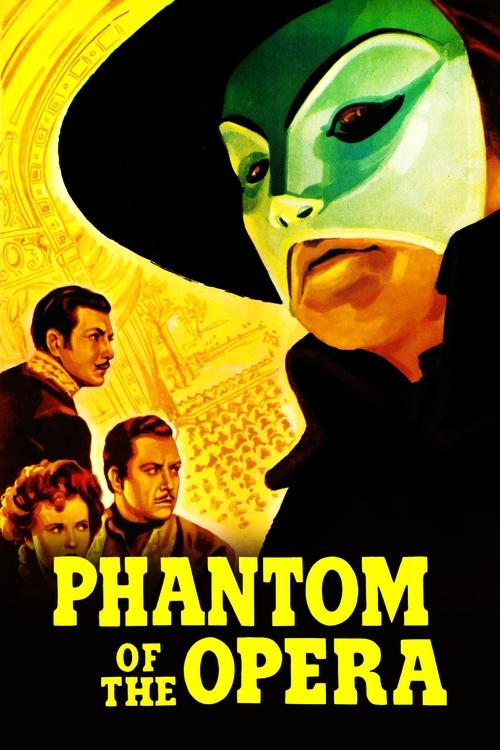
1943
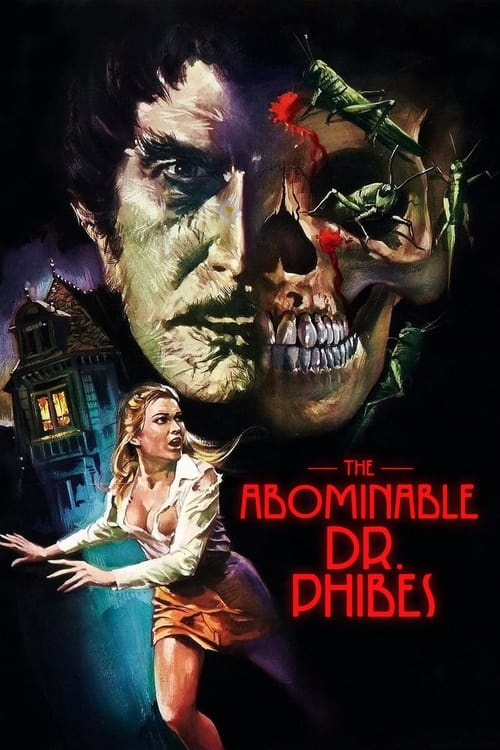
1971
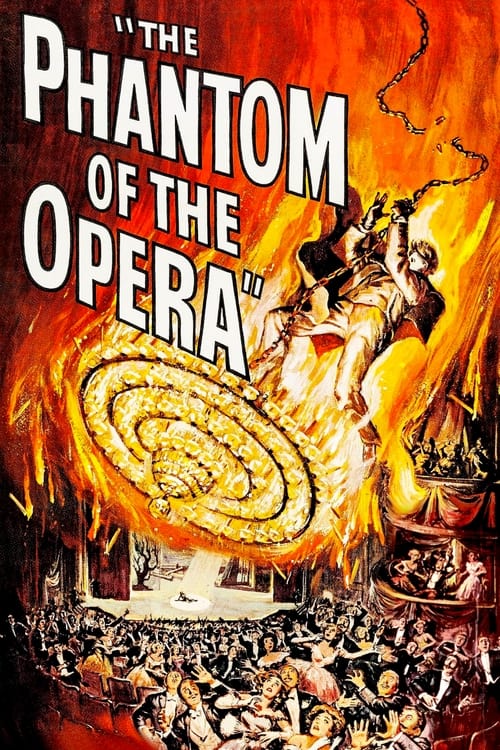
1962

1973
1959
1989
1925
No reviews yet. Be the first to share your thoughts on this movie!
Use the rating form above to leave a star rating and optional review.