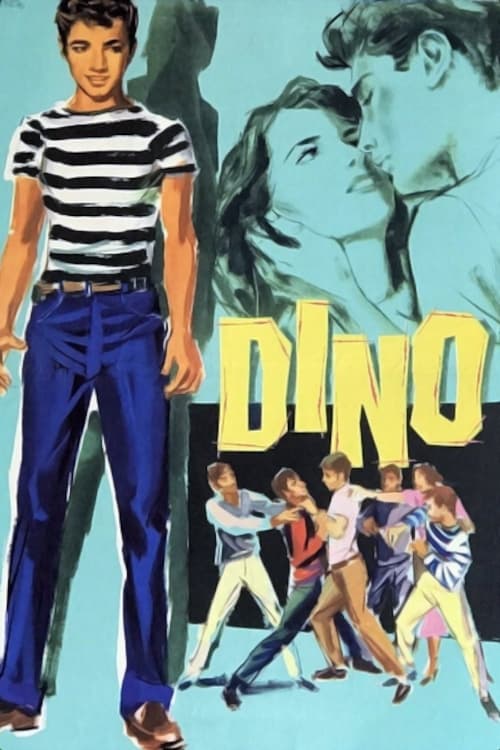
Dino
1957
No user ratings available yet
Representation score: 2.2 out of 10
Representation Score
Limited
1948
ApprovedDirector
David MacDonald
Runtime
81 minutes
Average Rating
No ratings yetNew Showbiz Analysis
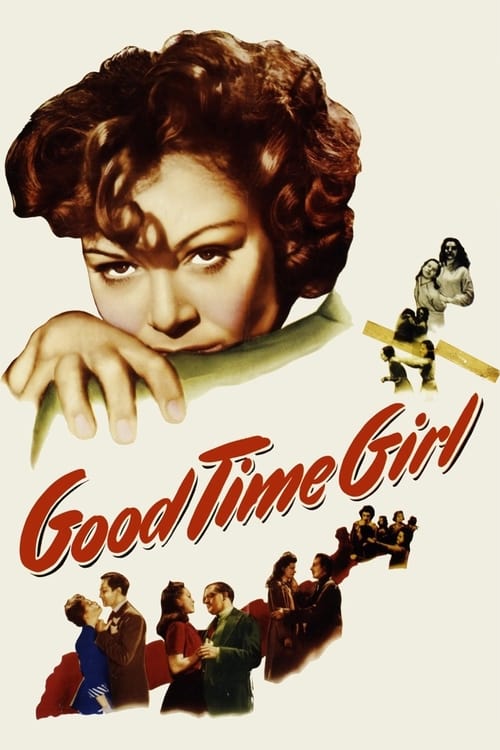
Good-Time Girl stands out as a social drama that challenges the rigid moralizing archetypes of the late 1940s. Instead of reinforcing traditional hierarchies, it explores the destabilization of post-war British structures through women's ability to drive the story and systemic failure. The film's strength lies in its deconstruction of the 'ideal' woman and its critique of institutions meant to regulate female behavior. It portrays the protagonist's descent into crime as a result of social instability rather than inherent malice. However, the film remains limited by its historical context, offering very little demographic diversity. While narratively progressive in its moral relativism, it lacks representation of LGBTQ+ identities or racial diversity.
Category Breakdown
The film does not include any queer narratives or non-straight identities. The character dynamics follow the social norms of the late 1940s.
The story challenges traditional gender roles by focusing on a female protagonist whose actions drive the plot. Jean rejects traditional feminine roles, choosing autonomy and rebellion over submission.
The cast is primarily homogeneous, reflecting the social norms of post-WWII Britain. There is no indication of intentional racial blending or color-blind casting.
The film critiques Western institutions by showing social orders that foster delinquency. It moves away from punitive Christian morality toward a complex exploration of socioeconomic instability.
There are no prominent depictions of physical or neurodivergent disabilities. None of these traits are used as central narrative drivers.
Present on Screen
Limited or Absent
Official Synopsis
Sent to a home for "problem" girls, incipient juvenile delinquent Gwen receives a crash course in petty crime. Back on the outside, she falls in with the usual bad crowd, and suffers spectacularly as a result.
1957
1950
1956
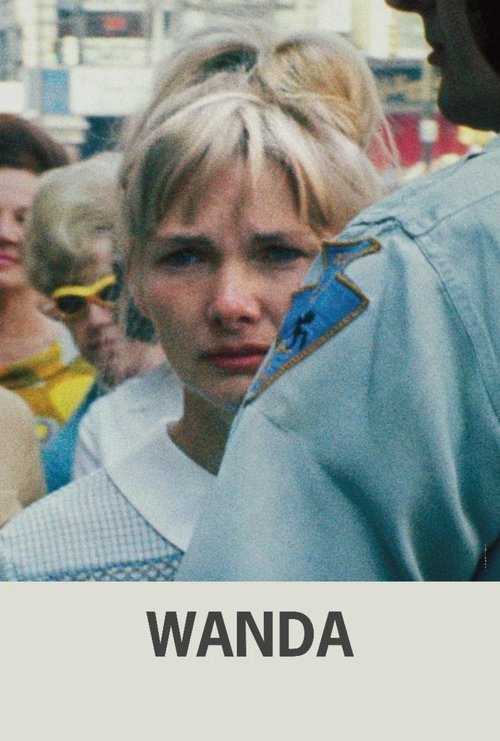
1970
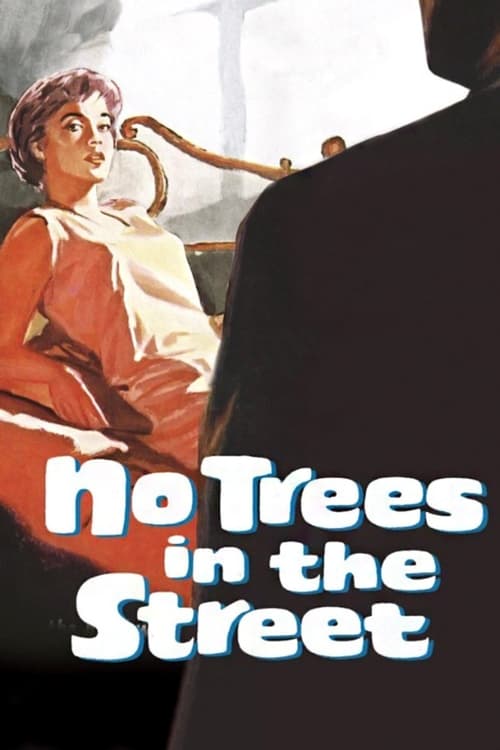
1959
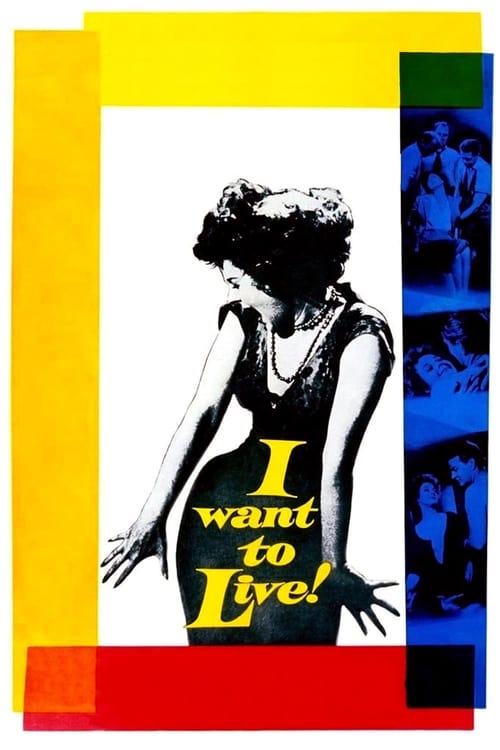
1958
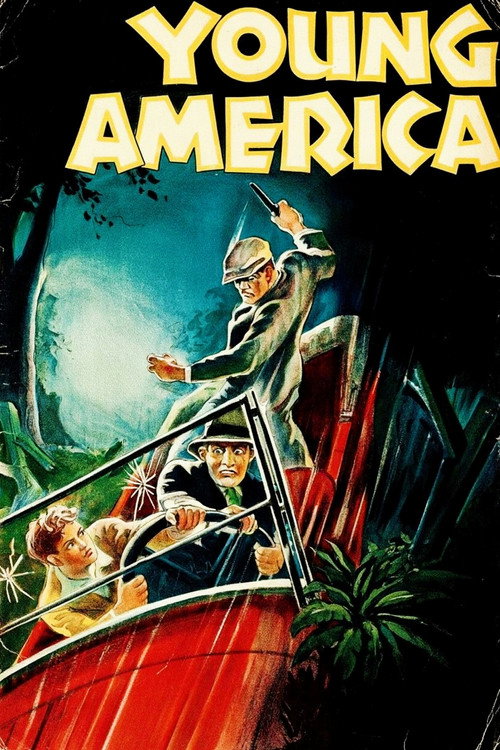
1932
1949
No reviews yet. Be the first to share your thoughts on this movie!
Use the rating form above to leave a star rating and optional review.