Our Car
1962
No user ratings available yet
Representation score: 2.5 out of 10
Representation Score
Minimal
1979
Director
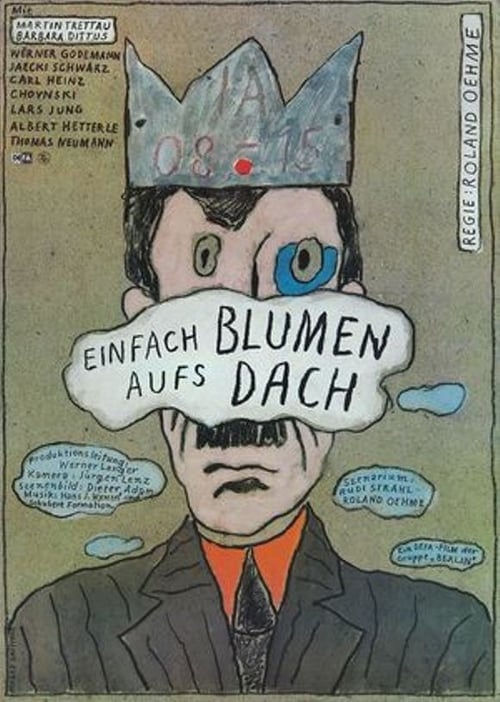
Roland Oehme
Runtime
91 minutes
Average Rating
No ratings yetNew Showbiz Analysis
Einfach Blumen aufs Dach is a social satire that examines the tension between individual aspirations and collective identity in East Germany. The narrative uses the acquisition of a high-status vehicle to explore class mobility and the performative nature of status within a socialist framework. While the film lacks modern markers of diversity, it provides a sophisticated critique of social hierarchy. The resolution highlights communal accountability over individual triumph, using humor to restore social balance. Ultimately, the film's diversity is shaped by its historical and geopolitical context, emphasizing class solidarity and state-sanctioned social roles over contemporary identity-based representation.
Category Breakdown
The film focuses on a traditional nuclear family structure. There is no evidence of LGBTQ+ characters or narratives addressing non-assuming gender matches what was assigned at birth identities.
The film includes a professional female bus driver named Maxi, who contributes to a balanced domestic dynamic. However, the main conflict revolves around masculine social status and ego.
The setting depicts a homogeneous society typical of 1970s East Germany. There is no indication of racial or ethnic diversity in the narrative.
The story offers a nuanced critique of institutional hierarchy and prestige. It emphasizes communal social values over individualist accumulation through a satirical lens.
The film does not include any specific details about visible or invisible disabilities.
Present on Screen
Limited or Absent
Official Synopsis
Mechanic Hannes Blaschke and his wife Maxi, who works as a bus driver, have just become happy parents of twins. Now they have a serious transportation problem: Their Trabant is far too small for the grown family that furthermore includes two sons and a dog. Thanks to the support of a state secretary and of his brigade, Hannes acquires a Tschaika – a limousine that is normally restricted to representational purposes – for a small price. Whereas Maxi views the state carriage only as a useful means of transportation, Hannes enjoys the unusual pre-emption he is receiving for the spectacular car. Hannes, who normally is just a humble guy, starts to grate his colleagues with his new affectations. Thus, they teach him an effective lesson: They decorate the state carriage with flowers and thus bring Hannes back down to earth in a humorous way.
1962
1958
1959
1971
1972
1991

1961
1977
No reviews yet. Be the first to share your thoughts on this movie!
Use the rating form above to leave a star rating and optional review.