
Syncopation
1942
No user ratings available yet
Representation score: 2.0 out of 10
Representation Score
Minimal
1945
NRDirector
Victor Saville
Runtime
92 minutes
Average Rating
No ratings yetNew Showbiz Analysis
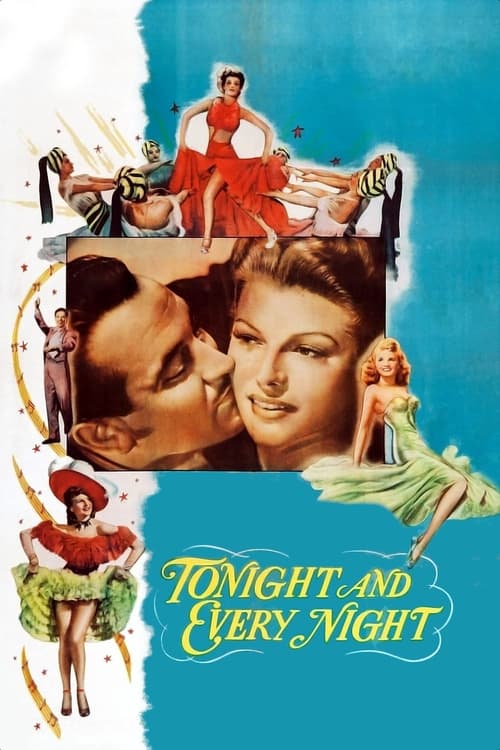
Tonight and Every Night is a classic wartime melodrama that focuses on emotional depth within a narrow social context. The film excels in depicting the psychological burdens faced by women during wartime. However, it remains confined to the cultural norms of mid-1940s British cinema, lacking diversity and critical engagement with broader societal issues.
Category Breakdown
The film centers on a heterosexual relationship between the female lead and a male officer, with no representation of LGBTQ+ identities.
The protagonist actively navigates the psychological challenges of wartime secrecy, highlighting the tension between traditional feminine roles and the demands of duty.
The cast is predominantly white, reflecting the social homogeneity of 1945. The film does not include actors from diverse racial backgrounds.
The story emphasizes national duty and the stability of Western institutions, reinforcing the prevailing cultural and religious norms of the time.
There are no characters with visible or invisible disabilities. The narrative does not address physical impairments or neurodivergence.
Present on Screen
Limited or Absent
Official Synopsis
An American girl falls for an RAF pilot while performing at a British music hall.
1942
1945
1943

1954

1959
1948

1944
1948
No reviews yet. Be the first to share your thoughts on this movie!
Use the rating form above to leave a star rating and optional review.