
Forget Me Not
1936
No user ratings available yet
Representation score: 2.7 out of 10
Representation Score
Minimal
1931
TV-GDirector
William A. Seiter
Runtime
75 minutes
Average Rating
No ratings yetNew Showbiz Analysis
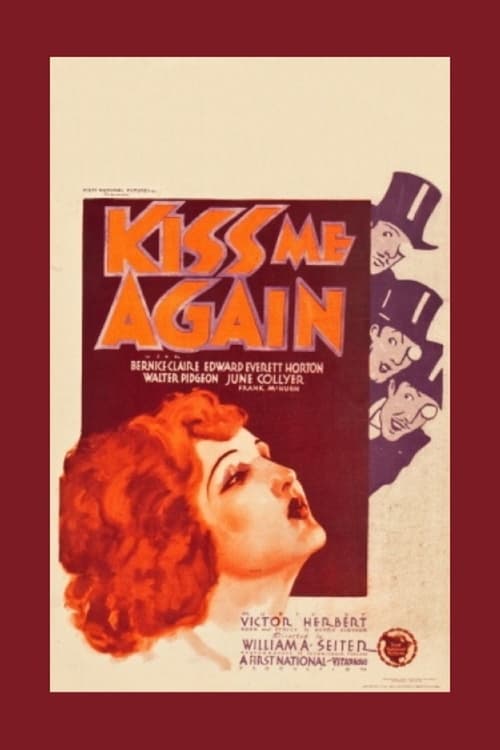
Kiss Me Again is a conventional period romance that follows the established studio system of the early 1930s. The narrative structure is designed for broad, mainstream appeal, focusing on light-hearted musical and romantic clichés. The film reinforces traditional social hierarchies and romantic arcs. While the female protagonist achieves professional success, the power dynamics remain rooted in patriarchal and class-based structures. Ultimately, the work lacks multi-layered representation or any significant challenge to the social norms prevalent during its era.
Category Breakdown
The film centers on a traditional romantic relationship between a military officer and a shop girl. It does not include any non-straight or non-gender-conforming identities or challenge the idea that everyone is straight or cisgender.
The female lead gains a significant role in driving the story through her professional success as an opera star. However, the main conflict is driven by patriarchal structures and the influence of aristocratic men.
The setting focuses on the French military and aristocracy, suggesting a predominantly white cast. The narrative seems to center on Western European social structures.
The plot highlights the tension between class-based aristocracy and the working class. It reinforces traditional Western social hierarchies without challenging them.
There are no visible or hidden disabilities mentioned or implied in the character descriptions.
Present on Screen
Limited or Absent
Official Synopsis
An officer of the French Military is in love with a shop girl, but his aristocratic father wants him to marry in his class and convinces the girl that marriage would be a mistake. The officer goes off to war and she becomes an opera star.
1936
1929
1934
1932

1938
1930

1934
1936
No reviews yet. Be the first to share your thoughts on this movie!
Use the rating form above to leave a star rating and optional review.