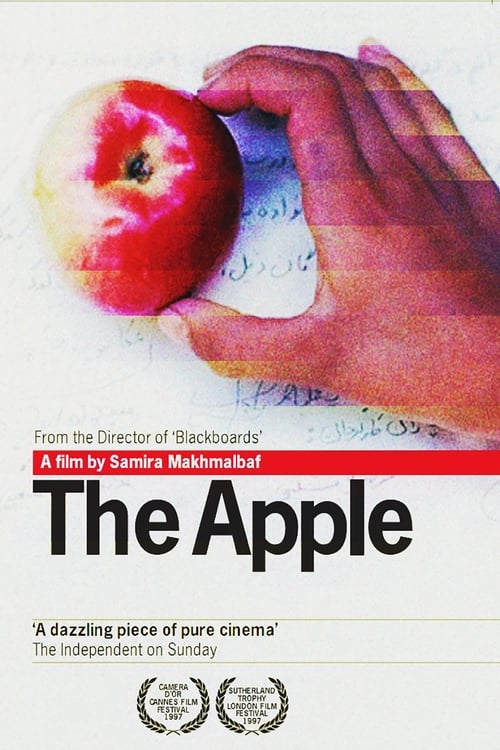
The Apple
1998
No user ratings available yet
Representation score: 4.9 out of 10
Representation Score
Excellent
2004
Director
Marziyeh Meshkiny
Runtime
93 minutes
Average Rating
No ratings yetNew Showbiz Analysis
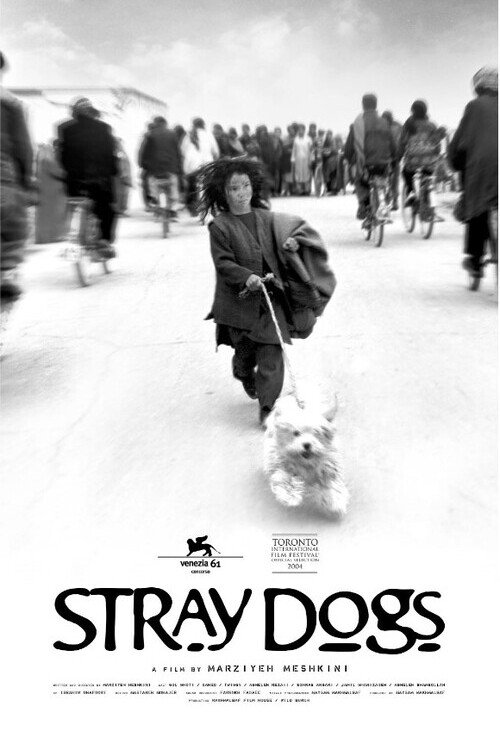
Stray Dogs is a powerful exploration of personal freedom within rigid social structures. By focusing on the experiences of young girls, the film challenges patriarchal norms and presents imaginative play as a form of resistance. The film succeeds by intentionally breaking down institutional authority. It encourages viewers to rethink the balance between societal order and personal freedom by highlighting the tension between state power and individual autonomy. Though the film lacks direct representation of LGBTQ+ identities or disabilities, its strength lies in its nuanced social critique and its rejection of Western-centric viewpoints.
Category Breakdown
The film doesn't explicitly include LGBTQ+ identities or non-straight relationships. Instead, it focuses on the communal bonds and gendered experiences of growing up in a restrictive society.
The film highlights the autonomy of young girls and emphasizes their intellectual and physical independence through childhood play.
The movie provides an authentic look at social life through a localized, non-Western perspective. Although the cast is ethnically similar, it avoids typical Western stereotypes.
The story criticizes traditional institutions, showing how religious and social rules can be restrictive. It portrays the children's unconventional behavior as acts of liberation.
The film does not focus on visible or invisible disabilities. Instead, it emphasizes the socioeconomic and gender-based challenges faced by the main characters.
Present on Screen
Limited or Absent
Official Synopsis
In post-Taliban Kabul, two lost children, brother and sister whose parents are in prison, try to survive every day by scavenging for food. At night, they join their imprisoned mother.
1998
2000
2004
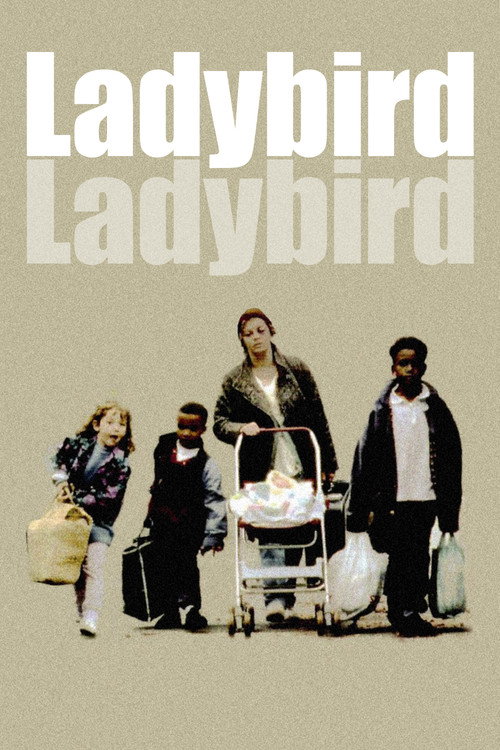
1994
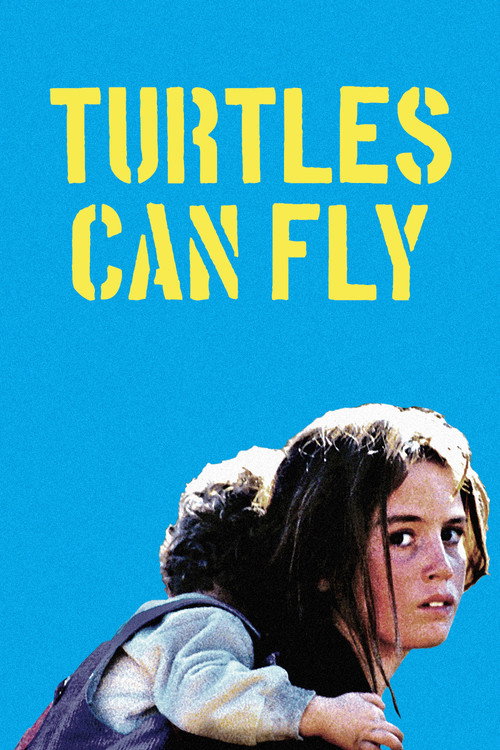
2004
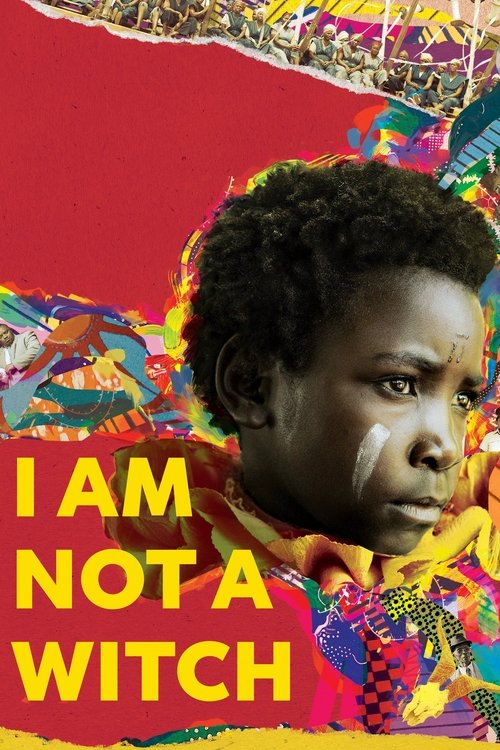
2017
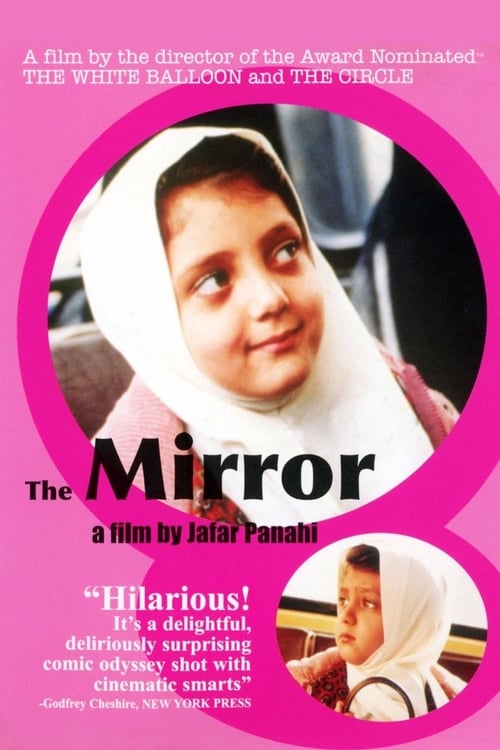
1997

2014
No reviews yet. Be the first to share your thoughts on this movie!
Use the rating form above to leave a star rating and optional review.