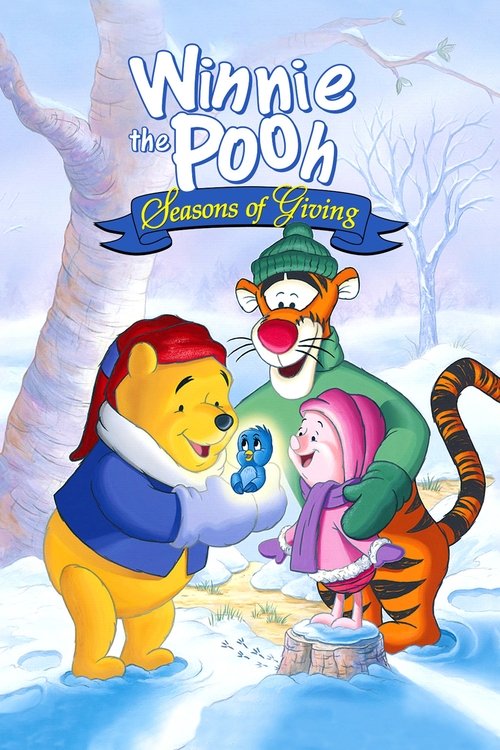
Winnie the Pooh: Seasons of Giving
1999
No user ratings available yet
Representation score: 2.9 out of 10
Representation Score
Minimal
1996
Director
Jamie Mitchell, Terence Harrison
Runtime
33 minutes
Average Rating
No ratings yetNew Showbiz Analysis
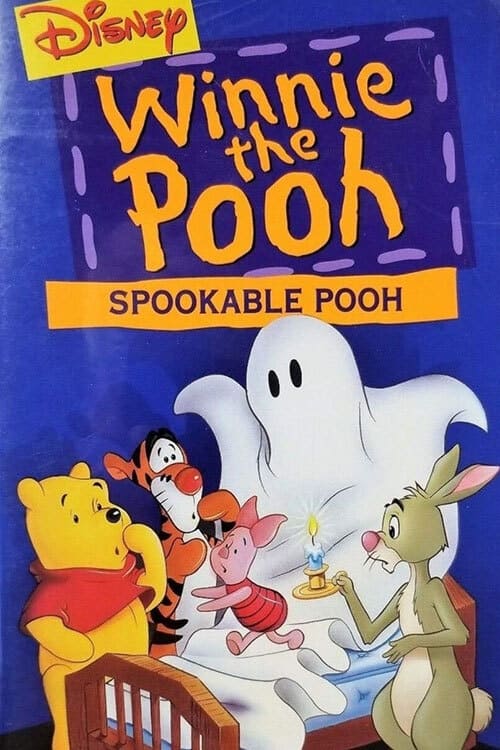
Winnie the Pooh: Spookable Pooh is a traditional piece of family entertainment that prioritizes established character archetypes. The anthology-style animation focuses on low-stakes domestic scenarios, such as playing chess or overcoming nightmares. The narrative architecture is conservative, emphasizing developmental emotional intelligence rather than systemic critique. It relies on the existing Hundred Acre Wood mythos to deliver stories about companionship and resilience. Because the characters are anthropomorphic animals, the film avoids direct racial stereotyping but also misses opportunities for diverse cultural or ethnic metaphors. The focus remains strictly on conventional emotional arcs.
Category Breakdown
The film focuses on conventional friendship dynamics within a standard family-oriented framework. There is no evidence of LGBTQ+ identities or same-sex intimacy.
The narrative features traditionally gendered anthropomorphic archetypes. It lacks female characters or the subversion of traditional masculinity, focusing instead on communal support.
Characters are anthropomorphic animals, which functions as a neutral, non-human framework. The setting aligns with traditional, homogeneous Western children's literature clichés.
The story adheres to traditional Western storytelling structures emphasizing stability and friendship. It follows conventional moral frameworks regarding emotional resilience and social cohesion.
Character struggles are centered on situational emotional states like fear and anxiety. There is no evidence of characters possessing visible or invisible disabilities.
Present on Screen
Limited or Absent
Official Synopsis
In a "Knight to Remember", during a rainy day in Christopher Robin’s attic, Pooh, Piglet, Tigger, Rabbit and Eeyore play a game of chess which ends up becoming a little too real. Next, in "Rock-a-Bye Pooh Bear", a stormy nightmare proves to be no picnic for Piglet. Now he's afraid to go to sleep and it's up to Pooh, Rabbit and Tigger to show their friend that dreary dreams do not come true.
1999
2002
2003

1997
2008

1977
1991

1999
No reviews yet. Be the first to share your thoughts on this movie!
Use the rating form above to leave a star rating and optional review.