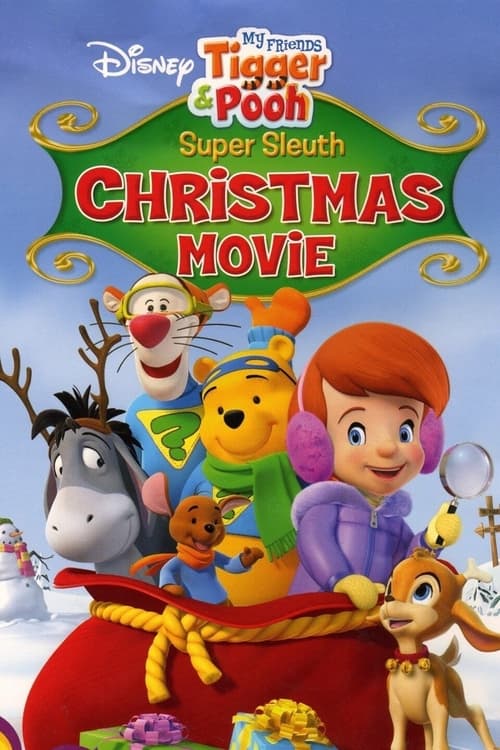
My Friends Tigger & Pooh: Super Sleuth Christmas Movie
2007
No user ratings available yet
Representation score: 1.2 out of 10
Representation Score
Limited
1991
TV-GDirector
Jamie Mitchell
Runtime
26 minutes
Average Rating
No ratings yetNew Showbiz Analysis
Winnie the Pooh & Christmas Too is a traditional narrative that upholds stable social structures and seasonal traditions. It exemplifies early-90s family programming by emphasizing social harmony and friendship. The film does not aim to challenge established hierarchies or introduce complex intersections of identity. The homogeneous cast and setting avoid the nuances of human identity and diverse cultural perspectives. Characters have depth through specific personality traits, but the overall representation stays within a conventional framework that avoids disrupting traditional norms.
Category Breakdown
The film centers on friendly bonds among animal characters but does not depict any non-conventional gender identities or same-sex romantic relationships.
Kanga embodies a nurturing mother figure, reinforcing traditional gender roles. Characters have significant roles in driving the story, but the gender dynamics maintain conventional social structures.
The all-animal cast in a rural setting lacks racial or ethnic diversity when viewed from a human perspective. The narrative avoids the complexities of human identity politics.
The story is grounded in Western Christmas traditions and seasonal customs. It highlights pro-social behaviors and kindness within a gentle, traditional moral framework.
Eeyore’s persistent sadness hints at neurodivergence or mental health issues, but this is portrayed more as a personality trait rather than a detailed exploration of lived experience.
Present on Screen
Limited or Absent
Official Synopsis
Pooh is so busy gathering up his friends' wish lists for Santa that he forgets to include his own. After retrieving the list and adding his own desires, he realizes he's late getting it where it needs to go. Off he goes to the North Pole on Christmas Eve, with pals Eeyore, Tigger, Piglet, Rabbit, and Christopher Robin missing him
2007
2002
1999

1997
1998
1974

1999
1976
No reviews yet. Be the first to share your thoughts on this movie!
Use the rating form above to leave a star rating and optional review.