
My Ain Folk
1973
No user ratings available yet
Diversity score: 4.0 out of 10
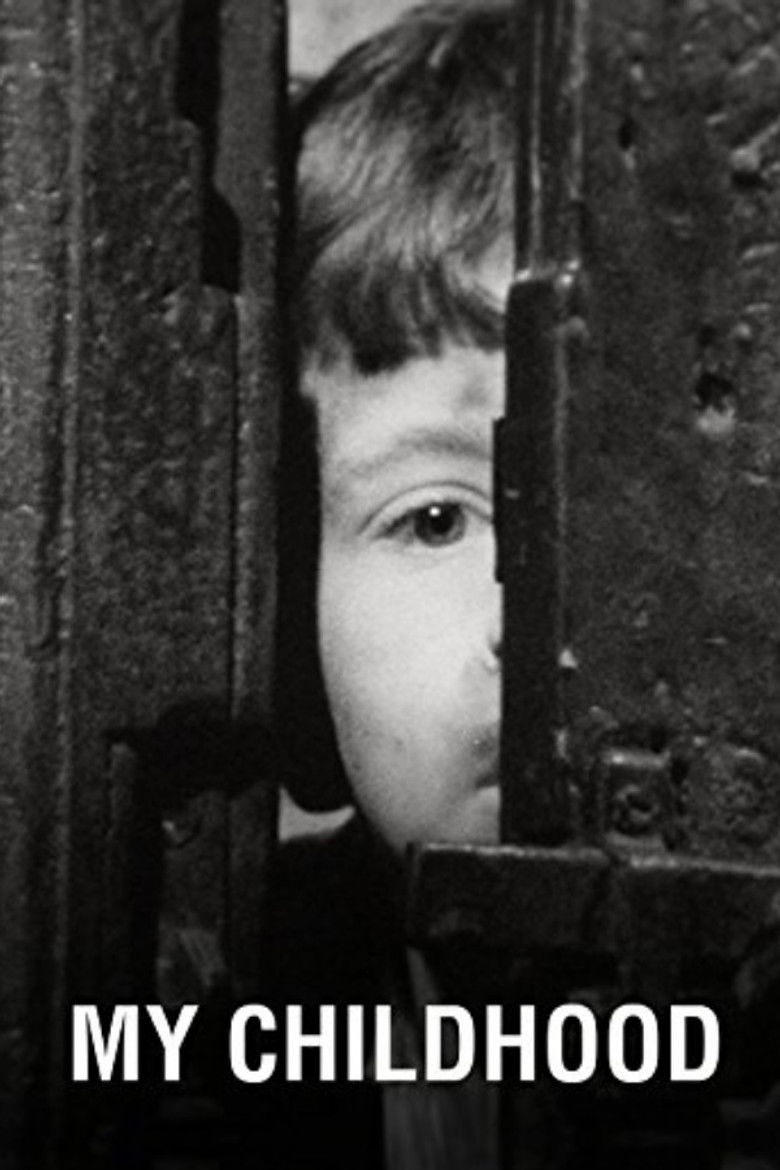
1972
NRDirector
Bill Douglas
Runtime
47 minutes
Average Rating
No ratings yetSynopsis
The first part of Bill Douglas' influential trilogy harks back to his impoverished upbringing in early-'40s Scotland. Cinema was his only escape - he paid for it with the money he made from returning empty jam jars - and this escape is reflected most closely at this time of his life as an eight-year-old living on the breadline with his half-brother and sick grandmother in a poor mining village.
Overall Score
Limited
Category Breakdown
LGBTQ+ Representation
The film adheres strictly to the social realities of 1940s Scotland. There are no LGBTQ+ characters or subtextual queer coding present in the narrative.
Gender Representation
Female characters are largely confined to domestic spheres, defined by caretaking or religious roles. The film presents a realistic portrayal of the era's patriarchal structures without subverting them.
Racial & Ethnic Diversity
The cast is entirely white, reflecting the historical context of a Scottish mining village. The narrative does not utilize diverse ethnic intersections to challenge demographic norms.
Religious & Cultural Diversity
The film offers a sharp critique of religious dogma and industrial capitalism. It portrays these institutions as oppressive psychological weights rather than sources of comfort.
Disability Representation
A sick grandmother is depicted as part of the family dynamic. The portrayal treats illness as a natural, difficult component of poverty rather than using it for inspiration.
Strengths
Areas for Improvement
AI Analysis
Bill Douglas utilizes social realism to provide a profound look at the working class in 1940s Scotland. The film prioritizes historical authenticity and class-based critique over modern demographic intersectionality. While the narrative lacks representation regarding race, gender subversion, and LGBTQ+ identities, it excels in its cultural deconstruction. It effectively frames the struggle for survival against the pressures of the church and industry. Ultimately, the film's value lies in its ability to use a specific, localized setting to critique broader systemic inequities and the weight of traditional power structures.
1973

1978

1969
1999
1941
1955
1996

2010

2018

1967
1971

2010
No reviews yet. Be the first to share your thoughts on this movie!
Use the rating form above to leave a star rating and optional review.