
The Luck of Ginger Coffey
1964
No user ratings available yet
Diversity score: 3.3 out of 10

1972
RDirector
Bob Rafelson
Runtime
103 minutes
Average Rating
No ratings yetSynopsis
Jason Staebler lives on the Boardwalk and fronts for the local mob in Atlantic City. He is a dreamer who asks his brother David, a radio personality from Philadelphia, to help him build a paradise on a Pacific Island, which might be just another of his pie-in-the-sky schemes. Inevitably, complications begin to pile up.
Overall Score
Fair
Category Breakdown
LGBTQ+ Representation
The film lacks LGBTQ+ characters or explorations of non-heteronormative identities. The narrative focuses strictly on interpersonal friction within a heteronormative framework.
Gender Representation
The story subverts mid-century masculine ideals by portraying the husband as a fraudulent, unstable figure. It centers on the emotional resentment and disintegration of the nuclear family.
Racial & Ethnic Diversity
The setting reflects a predominantly white, middle-class environment. There is little to no intentional racial or ethnic diversity within this localized socioeconomic landscape.
Religious & Cultural Diversity
The film offers a sophisticated critique of Western capitalist structures and the American Dream. It embraces moral relativism, presenting ethical transgressions through a lens of existential desperation.
Disability Representation
There are no prominent depictions of visible or invisible disabilities. Characters with disabilities are not utilized as plot devices within the narrative.
Strengths
Areas for Improvement
AI Analysis
The film functions as a postmodern study of social fragmentation rather than a vehicle for demographic inclusion. It prioritizes the deconstruction of traditional institutions over the representation of diverse identities. While the cast is largely homogeneous, the work achieves depth through its systemic critique of the American socioeconomic fabric. It challenges the stability of the nuclear family and the integrity of capitalist pursuits. Ultimately, the film's progressive value is found in its rejection of moral certainties and its skeptical lens regarding social structures.
1964
1956
1976

1964
1967

1959

1970

1952
1993

1970

1970
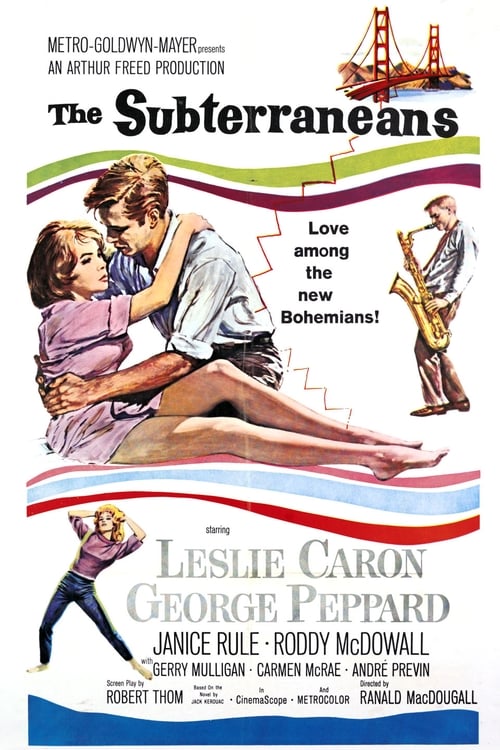
1960
No reviews yet. Be the first to share your thoughts on this movie!
Use the rating form above to leave a star rating and optional review.