Cheaters
1984
No user ratings available yet
Representation score: 5.5 out of 10
Representation Score
Limited
1993
RDirector
Philip Haas
Runtime
98 minutes
Average Rating
No ratings yetNew Showbiz Analysis
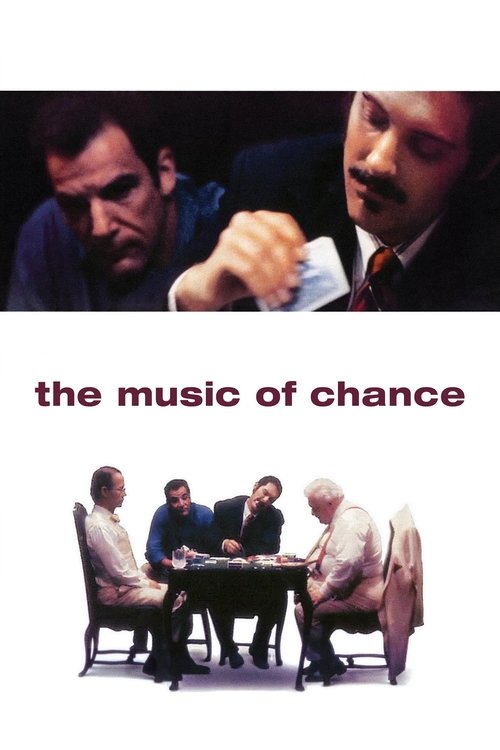
The Music of Chance functions as a postmodern character study that prioritizes philosophical abstraction over social representation. It explores themes of fate and randomness through a narrow demographic lens. The narrative centers on the existential crises of white male protagonists, offering a sophisticated critique of wealth and socioeconomic hierarchies through a universalist existential lens. Ultimately, the work adheres to the conventional demographic distributions of its era, focusing on intellectual rigor rather than identity-focused storytelling.
Category Breakdown
The film focuses on male interpersonal dynamics and lacks any representation of LGBTQ+ identities or queer narratives.
The story emphasizes male obsessions and sidelines women's ability to drive the story, resulting in a heavily masculine-centric worldview.
The cast is predominantly white, and the story does not integrate diverse racial perspectives into the central conflict.
The film examines socioeconomic instability and disrupts idealized middle-class depictions by focusing on characters living on the fringes.
There is no discernible focus on physical, sensory, or neurodivergent disabilities. Characters are defined by socioeconomic status rather than lived experiences of disability.
Present on Screen
Limited or Absent
Official Synopsis
Two men face the consequences of gambling after playing with men beyond their league.
1984

1974
2007

1963

1984
1974

1935

1956
No reviews yet. Be the first to share your thoughts on this movie!
Use the rating form above to leave a star rating and optional review.