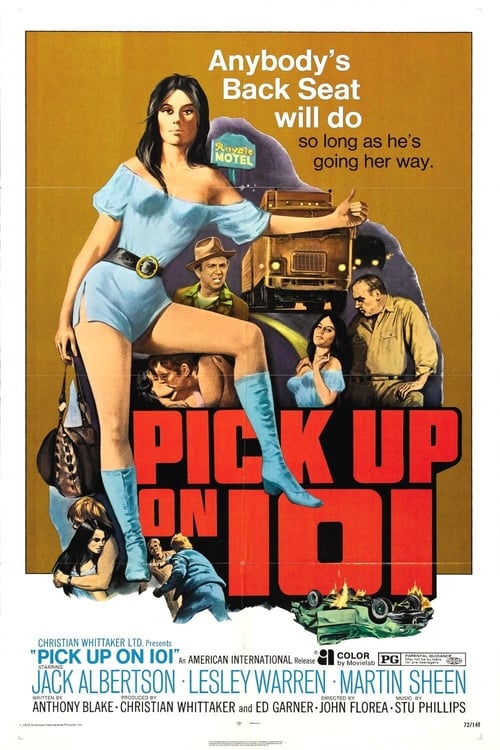
Pickup on 101
1972
No user ratings available yet
Representation score: 6.4 out of 10
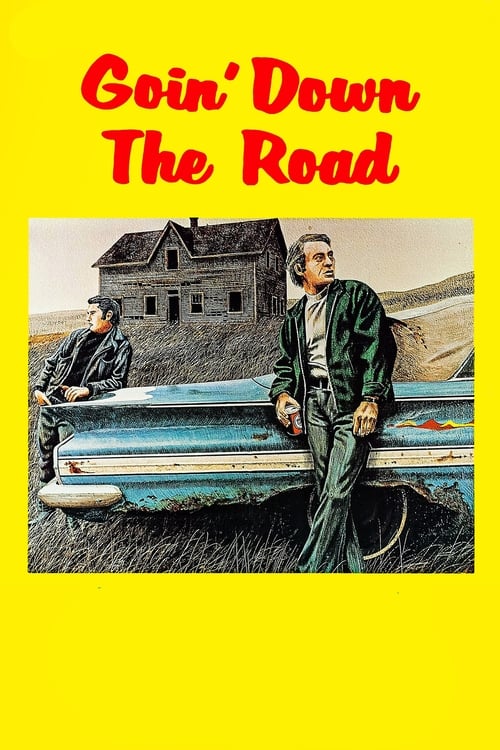
Representation Score
Fair
1970
PGDirector
Donald Shebib
Runtime
88 minutes
Average Rating
No ratings yetNew Showbiz Analysis
Goin' Down the Road is a landmark of Canadian realism that prioritizes class-based storytelling over demographic diversity. It succeeds as a social critique, deconstructing the myth of upward mobility by portraying the migration from rural to urban environments as a cycle of systemic struggle. However, the film lacks breadth in identity-based representation. The narrative architecture is heavily weighted toward a masculine, white, and straight-centered perspective, reflecting the social constraints of its 1970 release. Ultimately, the film is a study of economic alienation. While it fails to provide diverse representation across gender, race, or sexuality, it provides a profound look at the friction between the individual and the state.
Category Breakdown
The film focuses on straight friendships and economic stability, lacking significant LGBTQ+ characters or explorations of non-binary identities.
The narrative centers on masculine experiences of itinerant labor. Women appear primarily in traditional roles or as secondary figures to the male protagonists.
The cast reflects the predominantly white, Anglo-Saxon demographics of 1970s rural Nova Scotia and Toronto. It lacks significant racial diversity.
The film offers a sophisticated critique of institutional structures and the 'Canadian Dream.' It highlights the friction between rural life and urban capitalism.
There is no significant focus on physical or neurodivergent disabilities. Character struggles are centered on socio-economic alienation and psychological displacement.
Present on Screen
Limited or Absent
Official Synopsis
Two friends travel from Nova Scotia to Toronto in hope of finding a better life. A classic, and over 50 years later, the film has been on every TIFF list of the top 10 Canadian films ever made.
1972
1976
2007

2010

2010
1987

2016

1973
No reviews yet. Be the first to share your thoughts on this movie!
Use the rating form above to leave a star rating and optional review.