Saving Capitalism
2017
No user ratings available yet
Representation score: 1.7 out of 10
Representation Score
Excellent
2025
Director
Elliot Kirschner
Runtime
71 minutes
Average Rating
No ratings yetNew Showbiz Analysis
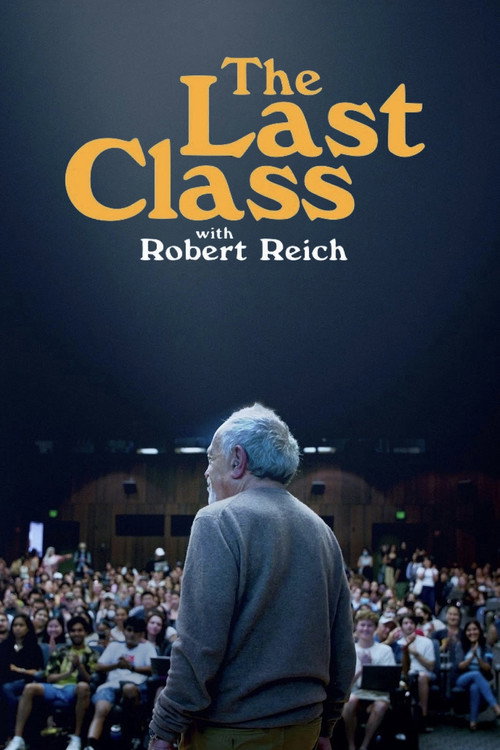
The Last Class is a biographical documentary that prioritizes systemic critique over individual character studies. Its strength lies in its intellectual engagement with power dynamics and the deconstruction of socio-economic hierarchies. While the film lacks explicit representation of LGBTQ+ or disabled identities, it addresses the multi-layered realities of race and class. The setting and subject matter suggest a narrative deeply rooted in social equity and the disruption of traditional institutional stability. Ultimately, the film functions as a sociological study. It moves beyond a standard academic retrospective to frame economic struggle as a central moral imperative for the next generation.
Category Breakdown
The film does not explicitly depict LGBTQ+ characters or specific queer narratives. Instead, it focuses on broader social justice themes centered around economic inequality.
The documentary centers on a male academic figure, reflecting traditional institutional hierarchies. However, it suggests a potential for disrupting patriarchal models through collective social action among the next generation.
Set at UC Berkeley, the film likely captures a diverse student body. The subject matter engages with how race and class intersect within systemic economic inequality.
The narrative prioritizes a critique of traditional Western economic institutions. It encourages students to challenge the status quo and deconstruct existing power hierarchies through social justice frameworks.
There is no specific evidence regarding the portrayal of disability or neurodivergence. The film focuses on macro-economic and sociological themes rather than individual disability issues.
Present on Screen
Limited or Absent
Official Synopsis
American political economist, professor, author, and social media sensation Robert Reich teaches his final "Wealth and Poverty" class to 1,000 students at UC Berkeley, ending a 40-year career that reached 40,000 students. One thousand fill the biggest lecture hall on the UC Berkeley campus, the last class to receive Reich's wisdom and exhortations not to accept that the world has to stay the way it is. His belief in the next generation's ability to take on the fight is inspiring.
2017
2018
2021
2020
2016

2002
2013

2014
No reviews yet. Be the first to share your thoughts on this movie!
Use the rating form above to leave a star rating and optional review.