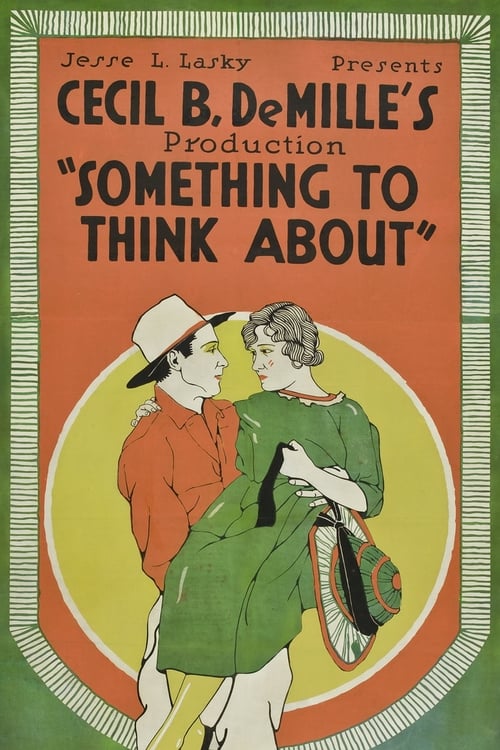
Something to Think About
1920
No user ratings available yet
Representation score: 3.2 out of 10

Representation Score
Limited
1919
Director
Cecil B. DeMille
Runtime
90 minutes
Average Rating
No ratings yetNew Showbiz Analysis
For Better, for Worse is a period drama set in 1919 that closely follows the social and moral norms of its time. The narrative structure emphasizes traditional romantic clichés and upholds established social hierarchies, providing little disruption to the status quo. The film heavily relies on traditional views of courage and duty. While it delves into complex interpersonal relationships, it does so within a framework that reinforces the romantic and marital norms of the early 20th century. The plot includes significant engagement with physical disability, using these elements primarily as catalysts for dramatic tension. The production reflects the era's homogeneous cast and traditional Western cultural values.
Category Breakdown
The film focuses on a traditional love triangle involving two men and one woman. It does not include any characters with non-binary gender identities or challenge the assumption that everyone is straight.
Sylvia acts as the emotional center, evaluating men based on traditional standards of bravery. The story uses conventional gender roles to create the main conflict.
The story seems to revolve around a cast that is mostly of the same ethnicity. There is no indication of diverse casting or inclusion of characters from different ethnic backgrounds.
Themes of duty and marriage reflect traditional Western values. Conflicts arise when characters deviate from societal norms, but there are no deeper critiques of systemic issues.
The plot involves physical disabilities through Dr. Meade’s work and Burton’s injuries. These elements often serve as symbols of tragedy or moral tests.
Present on Screen
Limited or Absent
Official Synopsis
Dr. Edward Meade and friend Richard Burton both love Sylvia Norcross. Both enlist in the military, but Meade stays back to care for deformed children. Sylvia thinks him a coward and marries Burton. After Burton is presumed dead, Meade and Sylvia are to wed, but Burton returns maimed and scarred.
1920

1920
1922
1925

1924
1929
1924

1915
No reviews yet. Be the first to share your thoughts on this movie!
Use the rating form above to leave a star rating and optional review.