
For Better, for Worse
1919
No user ratings available yet
Representation score: 2.6 out of 10
Representation Score
Limited
1920
Director
Cecil B. DeMille
Runtime
78 minutes
Average Rating
No ratings yetNew Showbiz Analysis
This 1920 drama by Cecil B. DeMille operates as a traditional period piece that upholds established social hierarchies. The narrative relies heavily on conventional gender roles and class dynamics from the early 20th century. While the film delves into complex moral issues related to wealth and legitimacy, it does not significantly disrupt the status quo. Characters function within a framework of traditional morality and homogeneous social structures. Representation is limited, focusing on traditional heterosexual marriages and the protection of lineage. The film adheres to the dramatic standards of its time without challenging multi-layered frameworks.
Category Breakdown
The film focuses on traditional heterosexual relationships and family structures. It does not include any characters with non-straight or non-cisgender identities.
Ruth's role is largely shaped by the men around her. Her journey is defined by the need for male protection, which reflects the traditional portrayal of women in early 20th-century films.
The setting appears to be homogeneous, with no indication of a multi-ethnic cast. The film does not challenge the Anglo-centric norms of the time.
The story examines class differences and traditional moral values. The conflict revolves around maintaining social standing and family honor, without questioning broader Western institutions.
Markley is shown as a wealthy man with a disability who holds significant economic power. His disability is used to motivate his character development, but it does not delve deeply into the lived experience of disability.
Present on Screen
Limited or Absent
Official Synopsis
Wealthy cripple Markley finances the education of blacksmith's daughter Ruth. When she returns to their small town he asks to marry her, but she runs off with city worker Jim Dirk who is then killed in a subway accident. Markley offers to marry her in name only to protect her new son.
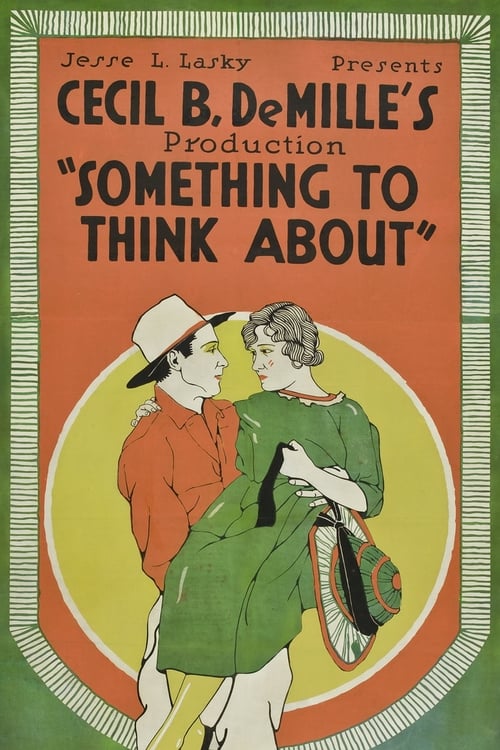
1919
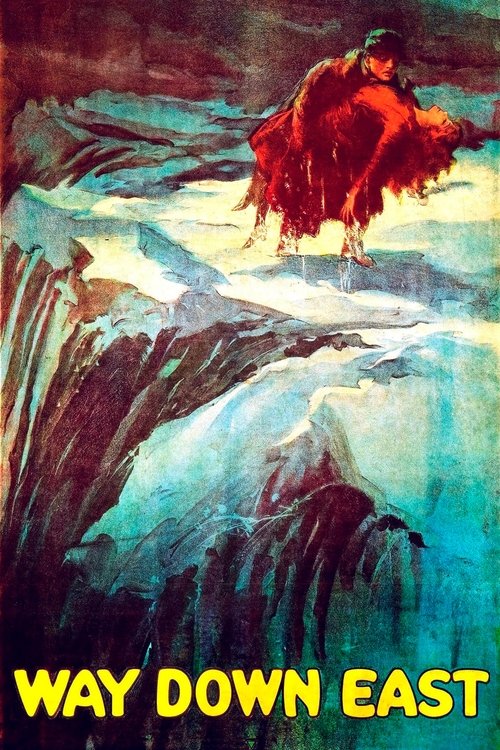
1920
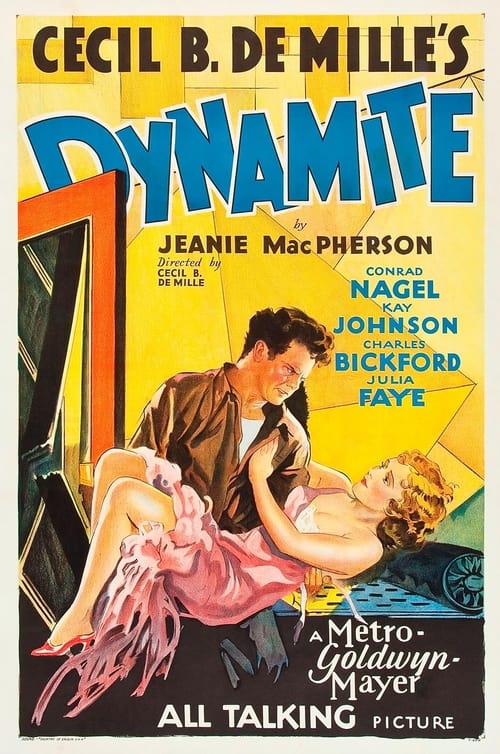
1929

1920
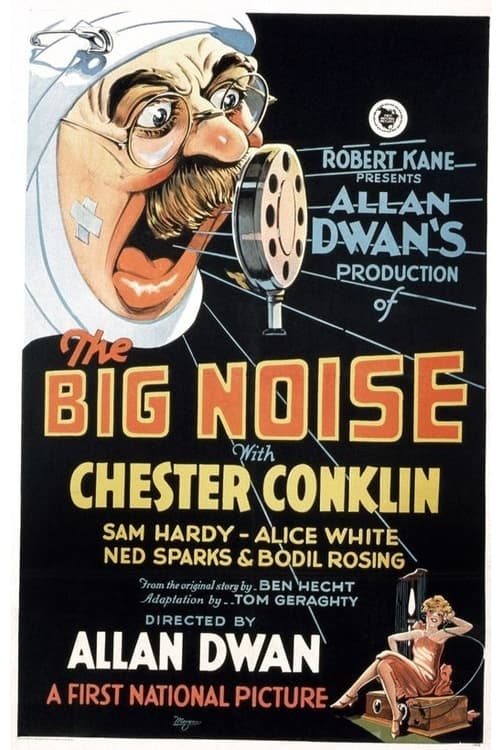
1928
1923
1915
1923
No reviews yet. Be the first to share your thoughts on this movie!
Use the rating form above to leave a star rating and optional review.