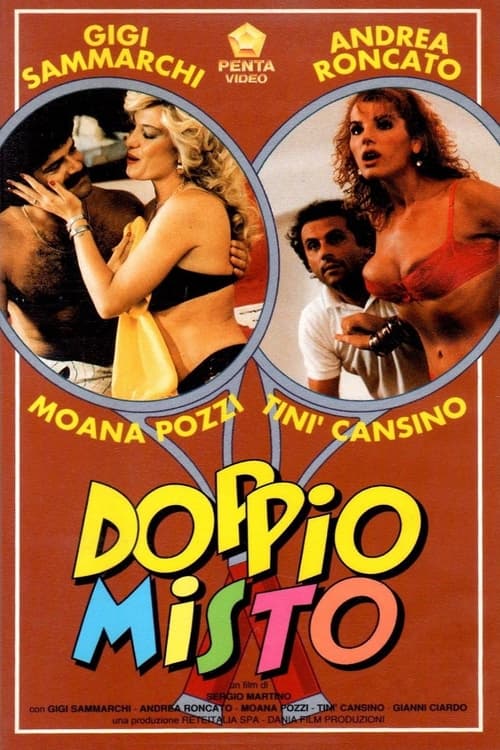
Mixed Double
1986
No user ratings available yet
Representation score: 2.7 out of 10

Representation Score
Limited
1988
Director
Édouard Molinaro
Runtime
83 minutes
Average Rating
No ratings yetNew Showbiz Analysis
Door on the Left as You Leave the Elevator is a traditional domestic farce that emphasizes comedic conflict over social critique. The plot hinges on the disruption of social decorum and the complications of romantic fidelity. The film does not engage with the overlapping aspects of identity or challenge systemic power dynamics. Instead, it focuses on the interpersonal friction within a conventional Western setting. Ultimately, the narrative structure adheres to established comedic formulas, favoring traditional romantic hierarchies and homogeneous social environments over the representation of diverse identities.
Category Breakdown
The film focuses on traditional heterosexual relationships and does not include any non-cisgender identities or critiques of heterosexuality.
Female characters such as Eva and Florence play significant roles in driving the plot, often within traditional stereotypes of jealous partners or misunderstood neighbors.
The film portrays a homogeneous social environment typical of late-80s European domestic comedies, with no effort to disrupt ethnic norms.
The story operates within Western social norms, emphasizing domestic privacy and middle-class etiquette, and does not offer a systemic critique of these traditions.
There are no characters with neurodivergence or physical impairments, and no disabilities are mentioned in the narrative.
Present on Screen
Limited or Absent
Official Synopsis
Yan is a successful artist. One day he is waiting for his date Florence to turn up at his apartment. As the doorbell rings, he finds another young woman in underwear on his doorstep: his neighbor Eva! She tells him she locked herself out of her apartment and insists that he helps her. Whilst Yan is trying to enter Eva's apartment via their adjoining balcony, his phone rings. It is Florence, and she is not impressed when a female voice answers the phone. At this point, Eva's rabidly jealous boyfriend Boris returns home. Seeing Yan in his apartment, he deduces that Eva has been having an affair behind his back. Florence then turns up and Yan tries in vain to explain the situation. By chance, Florence's husband suddenly puts in an appearance. After that, it all starts to get a bit complicated.
1986
1986

1985
1985

1984

2002
1983
1995
No reviews yet. Be the first to share your thoughts on this movie!
Use the rating form above to leave a star rating and optional review.