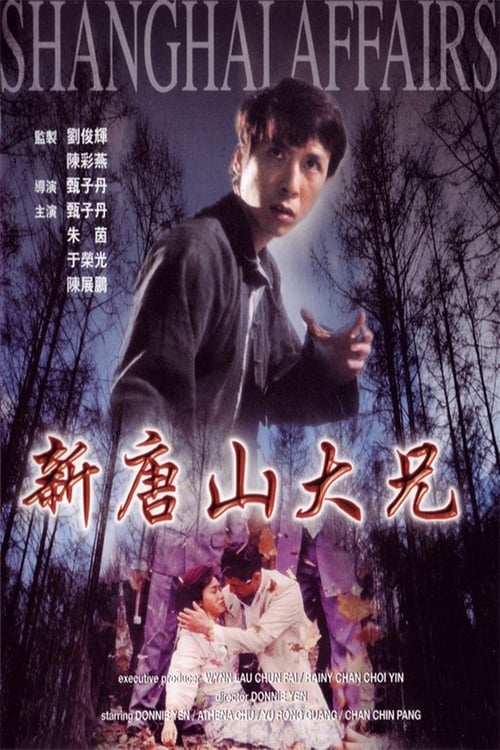
Shanghai Affairs
1998
No user ratings available yet
Representation score: 3.2 out of 10
Representation Score
Minimal
1966
Director
Chang Cheh
Runtime
103 minutes
Average Rating
No ratings yetNew Showbiz Analysis
Chang Cheh’s film is a classic wuxia piece that emphasizes traditional masculine roles and martial hierarchies. While it doesn't address modern diversity issues, it offers a nuanced view of class-based oppression. The film succeeds in maintaining cultural authenticity within its historical context. However, it remains confined by traditional patriarchal structures and lacks diverse identity representations. Overall, the work highlights brotherhood and honor without challenging established social or gender norms.
Category Breakdown
The film does not include any LGBTQ+ characters or same-sex relationships. It focuses on traditional male bonds, typical of 1960s cinema.
Male characters dominate the narrative, emphasizing combat and physical strength. Female characters, such as the magistrate's daughter, serve mainly as plot catalysts rather than independent actors.
The cast is predominantly Chinese, reflecting the film's historical setting and avoiding the whitewashing often found in Western period films.
The film subtly critiques class structures by depicting kidnapping as a result of socioeconomic hardship. It explores moral dilemmas through social inequality.
There is no representation of physical or cognitive disabilities. Characters are defined by their martial skills and physical abilities.
Present on Screen
Limited or Absent
Official Synopsis
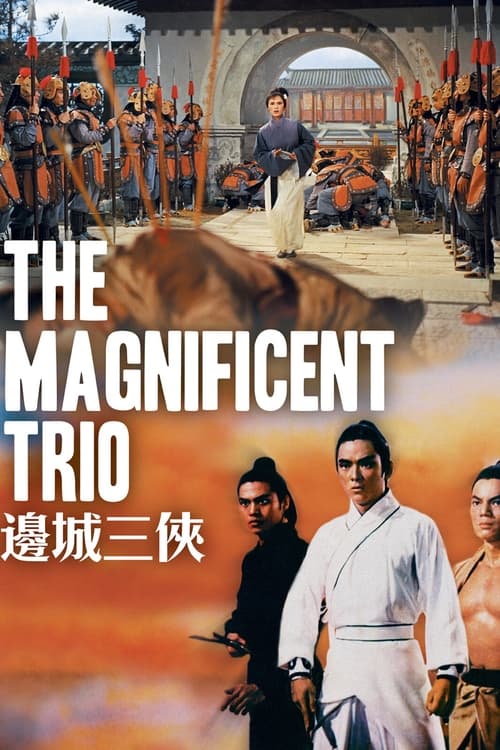
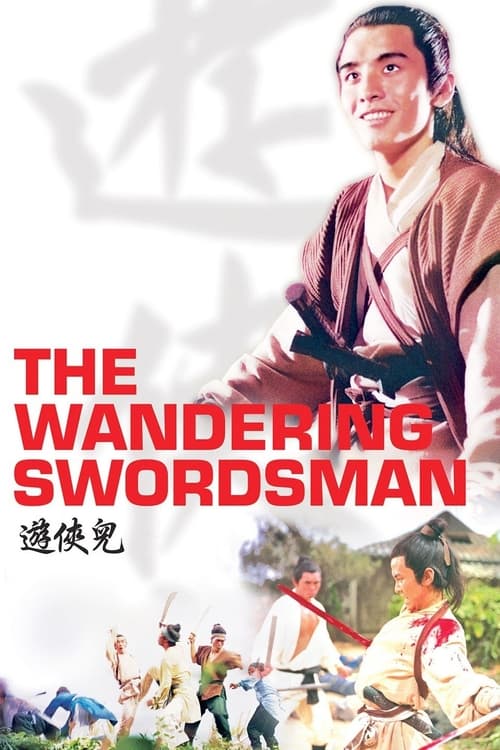
A wandering swordsman named Lu Fang who is returning from battle discovers that several farmers have kidnapped the local magistrate’s daughter. He sides with them after learning that this is an act of desperation to improve their low standard of living.
1998
1967
1970

1964
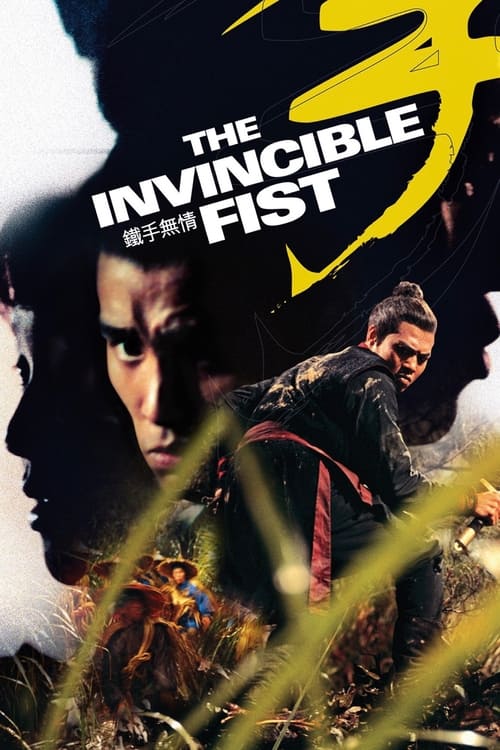
1969
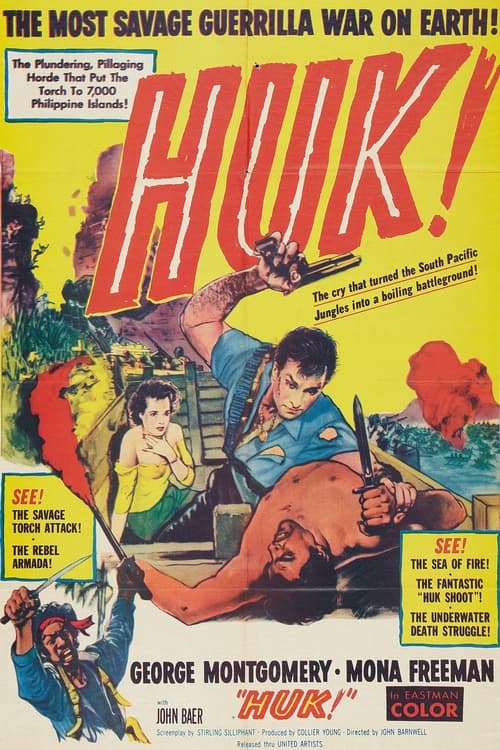
1956
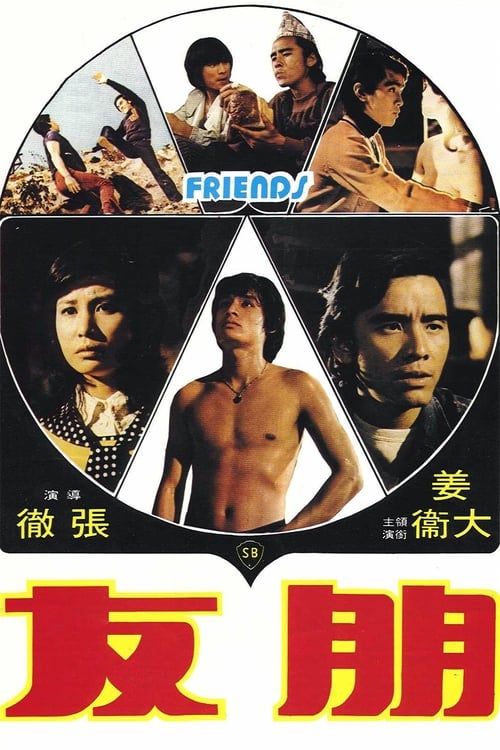
1974
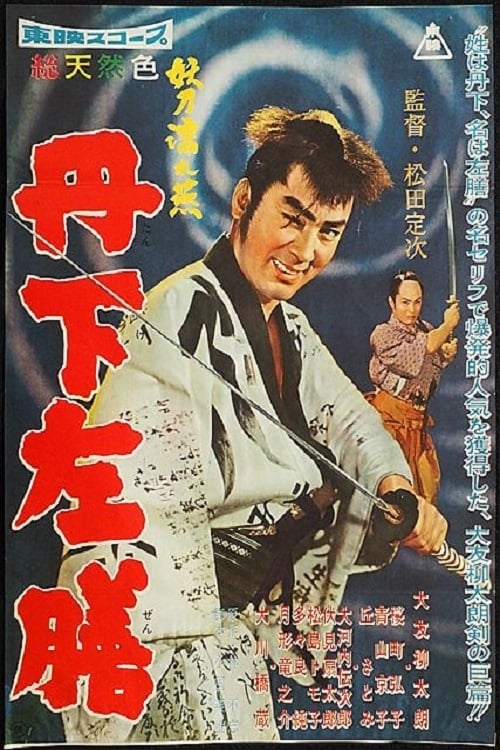
1960
No reviews yet. Be the first to share your thoughts on this movie!
Use the rating form above to leave a star rating and optional review.