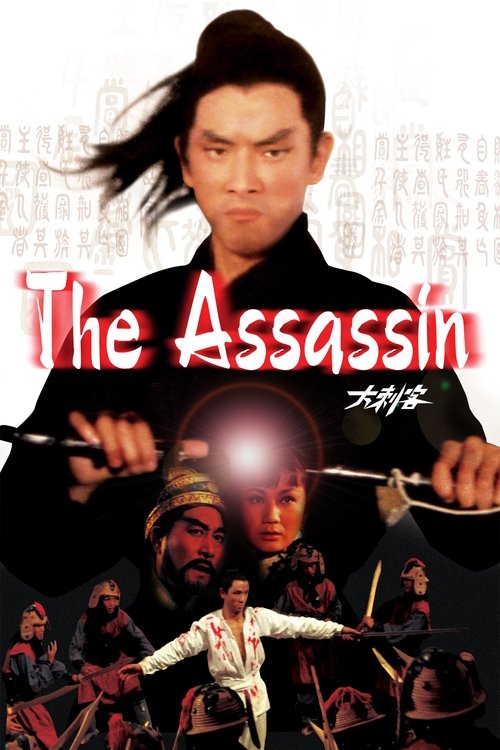
The Assassin
1967
No user ratings available yet
Representation score: 6.4 out of 10

Representation Score
Limited
1973
PG-13Director
Chang Cheh
Runtime
123 minutes
Average Rating
No ratings yetNew Showbiz Analysis
Blood Brothers explores hyper-masculinity and the tragic breakdown of fraternal loyalty within a traditional patriarchal structure. While it offers a sophisticated deconstruction of vengeance and moral ambiguity, it operates within a framework that reinforces conventional gender hierarchies. The film prioritizes historical authenticity and genre-specific storytelling over diverse representation.
Category Breakdown
The film focuses on the bonds between men through Confucian loyalty rather than sexual orientation, avoiding direct representation of LGBTQ+ identities.
The narrative is driven almost entirely by male characters' martial prowess and emotional bonds, while female characters play secondary, reactive roles.
Casting is ethnically homogeneous, reflecting the specific cultural context of the wuxia genre and maintaining high cultural authenticity to its historical Chinese setting.
The story highlights the breakdown of social order and the failure of established hierarchies, emphasizing personal honor and blood feuds over formal legal institutions.
There is no significant focus on visible or invisible disabilities. Characters are defined by physical strength, with vulnerability arising only from combat.
Present on Screen
Limited or Absent
Official Synopsis
Set in the waning years of the Ching Dyansty, this dramatic, tragic, romantic, blood-soaked martial arts tale of betrayal and revenge explores one of the most sensational scandals in Chinese history and marked the true ascension of its director and actors to superstar status. In fact, Ti Lung won Taiwan's Golden Horse Award for Outstanding Performance as the challenging role of a jealous provincial governor who kills his friend in order to steal the man's wife.
1967
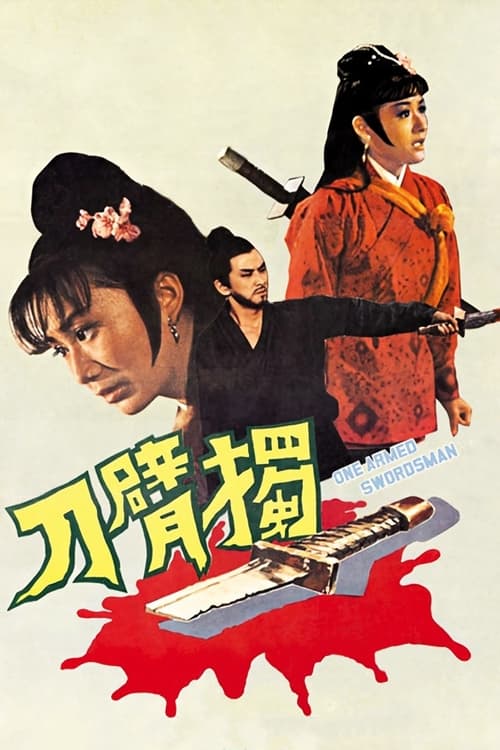
1967

1980
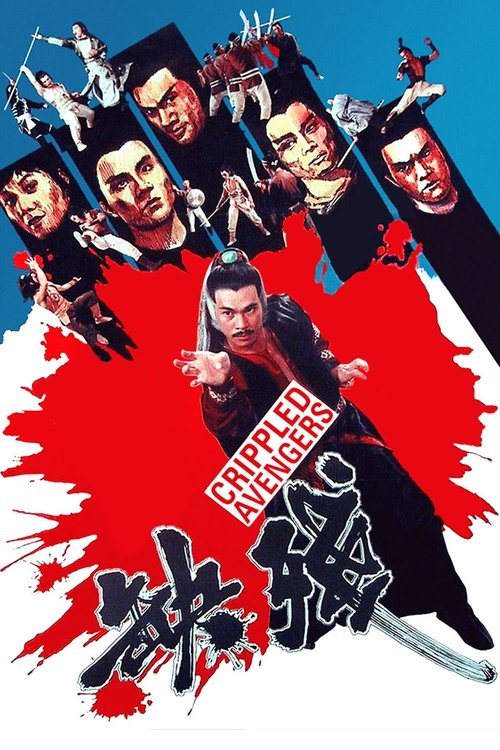
1978

1970
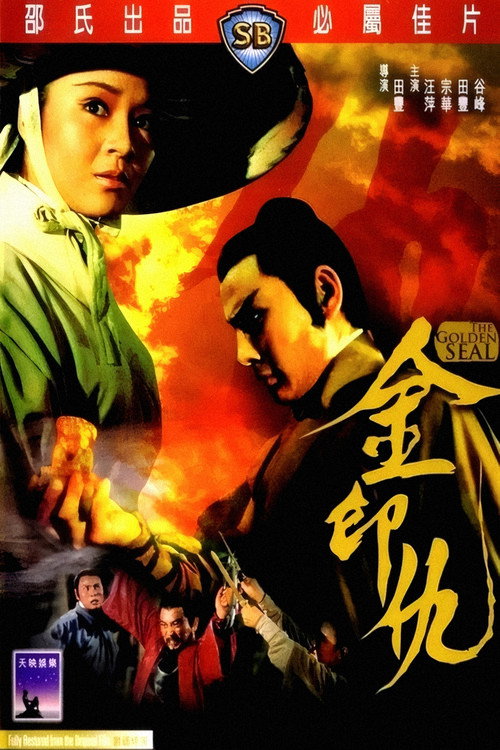
1971

1980
1981
No reviews yet. Be the first to share your thoughts on this movie!
Use the rating form above to leave a star rating and optional review.