
Secrets of the State
2003
No user ratings available yet
Diversity score: 6.0 out of 10

1949
Director
Jean Devaivre
Runtime
90 minutes
Average Rating
No ratings yetSynopsis
In 1825, Paul-Louis Courier, a Republican writer known for publishing pamphlets against the French monarchy, was killed in the farm where he had retired. Was it a political assassination or a vicious crime? Those who have known him loved him or hated him are interrogated by the police. Will the guilty person(s) be ferreted out?
Overall Score
Fair
Category Breakdown
LGBTQ+ Representation
The film lacks explicit evidence of LGBTQ+ characters or non-heteronormative identities. The narrative focuses on a political investigation into a Republican writer's death.
Gender Representation
The story centers on the death of Paul-Louis Courier, a male political figure. It appears to focus on male-driven political agency within a traditional 1825 historical setting.
Racial & Ethnic Diversity
Set in 1825 France, the film reflects the demographic homogeneity of that era. There is no indication of race-bent casting or a non-Anglo-Saxon majority cast.
Religious & Cultural Diversity
The film engages deeply with critiques of Western institutions. By centering on anti-monarchy pamphlets, it challenges the legitimacy of absolute state authority and traditional social orders.
Disability Representation
There is no information available regarding the depiction of physical or mental disabilities in this work.
Strengths
Areas for Improvement
AI Analysis
The film's strength lies in its thematic interrogation of institutional power. By focusing on a Republican writer's struggle against the monarchy, it provides a meaningful critique of systemic corruption and state authority. However, the film lacks intersectional depth. The narrative is heavily centered on male political agency and reflects the demographic homogeneity of 19th-century France, offering little visibility for diverse identities. Ultimately, while the film succeeds as a political drama, it remains limited by a lack of representation across gender, race, and orientation.
2003

2008
1995
1973

1982
1988
1945
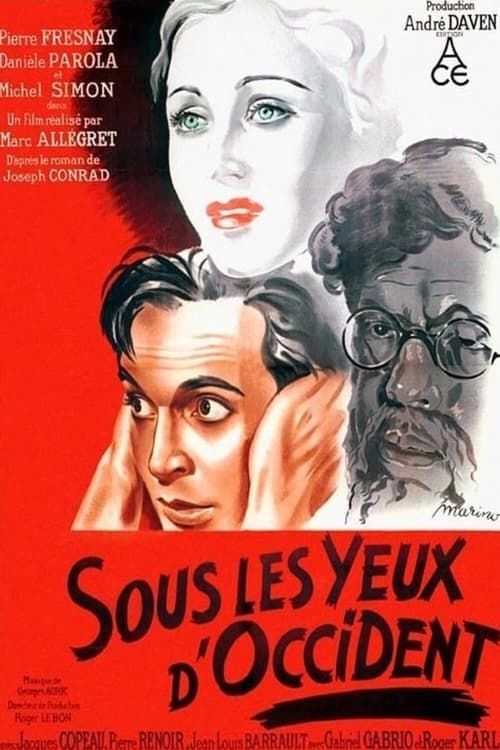
1936
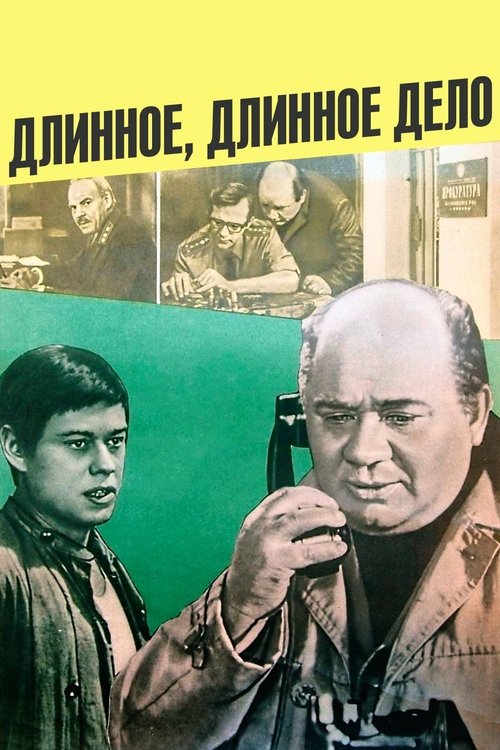
1977
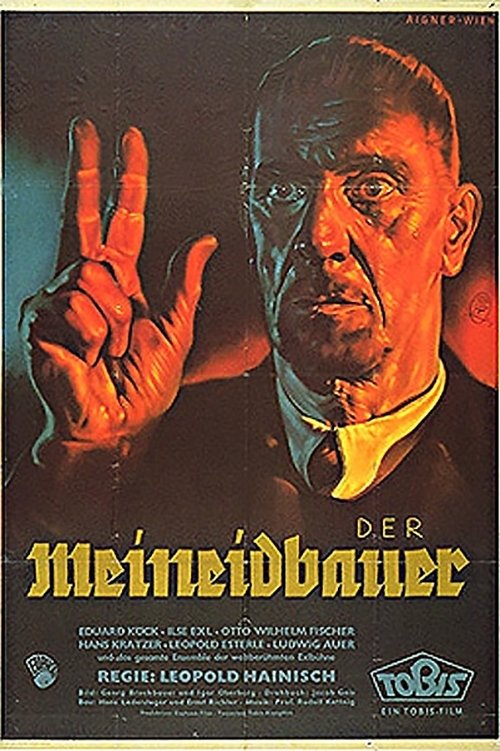
1941

2022
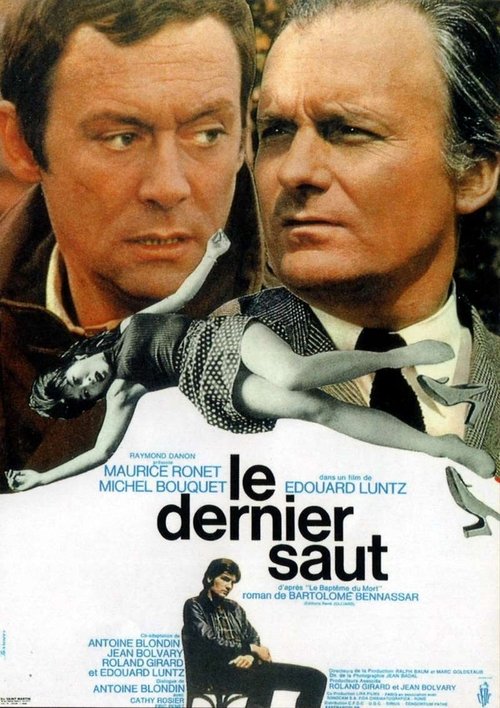
1970
No reviews yet. Be the first to share your thoughts on this movie!
Use the rating form above to leave a star rating and optional review.