
Era d'estate
2016
No user ratings available yet
Representation score: 4.5 out of 10
Representation Score
Fair
2003
Director
Paolo Benvenuti
Runtime
85 minutes
Average Rating
No ratings yetNew Showbiz Analysis
Secrets of the State is a sophisticated historical revisionist film that explores the interplay between individual actions and systemic power structures. It effectively challenges monolithic state authority and deconstructs official historical narratives to highlight systemic injustices. However, the film's emphasis on mid-century political and class struggles limits the visibility of gender and LGBTQ+ identities. The narrative is predominantly male-centric, prioritizing legal and partisan conflicts over diverse social representations. Ultimately, the film's strength lies in its cultural and systemic analysis, offering a nuanced exploration of regional identity and institutional corruption, despite its narrow focus on certain demographic categories.
Category Breakdown
The film does not include explicit LGBTQ+ characters or stories focused on queer relationships. Instead, it emphasizes political and class-based tensions from the 1940s era.
The narrative mainly revolves around male characters, such as the lawyer and the bandit, focusing on male-driven legal and political struggles within a patriarchal society.
The film highlights the Sicilian experience, avoiding a focus on Northern Italy. It delves into regional identity and contrasts the local community with the centralized state.
The film critically examines Western institutions and state authority. It questions official historical narratives to reveal a more nuanced, subjective morality.
There is no clear depiction of physical or neurodivergent disabilities in the film.
Present on Screen
Limited or Absent
Official Synopsis
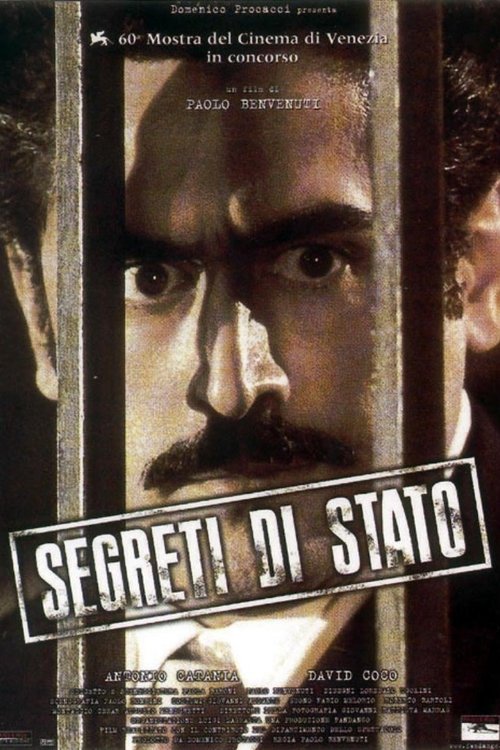
On the first of May 1947, the bandit Salvatore Giuliano conducted a raid to the mountain pass Portella della Ginestra, with a view to capturing Sicily's most prominent communist, Giacomo Licausi. What actually happened was a regular massacre, leaving fourteen people dead and more than thirty wounded. In 1951, about a year after Giulano's violent death, his men are tried in Viterbo. Unconvinced by the official version, Gaspare Pasciotta's lawyer, decides to travel to Sicily and starts investigating the facts.
2016
1962
2012

1990

2008
1948

2008
2011
No reviews yet. Be the first to share your thoughts on this movie!
Use the rating form above to leave a star rating and optional review.