Times without War
1969
No user ratings available yet
Representation score: 2.8 out of 10
Representation Score
Fair
1968
Director
Branko Ivanda
Runtime
84 minutes
Average Rating
No ratings yetNew Showbiz Analysis
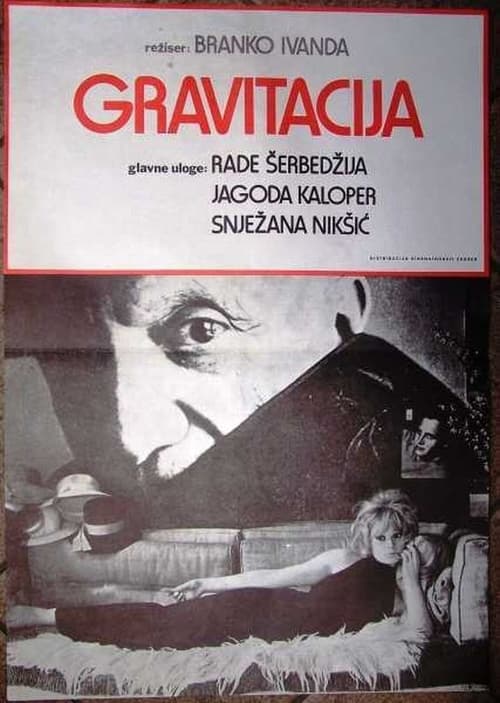
Gravitation is a period-specific character study rooted in the social realism of late 1960s Yugoslav cinema. It prioritizes individual psychological exploration over modern diversity standards, focusing on the conflict between personal desires and societal expectations. The film's strength lies in its social critique, using the protagonist's professional crossroads to explore class and institutional pressures. However, the narrative remains anchored in the conventional romantic and demographic structures of its time. Ultimately, the work examines the interplay between personal ability to act and tradition, providing a window into the shifting interpersonal dynamics of its specific historical context.
Category Breakdown
The story focuses on heterosexual relationships involving a female artist and her colleague, with no representation of LGBTQ+ identities or narratives.
The plot centers around the male protagonist's decisions, but includes two distinct female characters offering varied perspectives, avoiding a singular female archetype.
The film reflects the homogeneous demographic norms of 1968 Yugoslavia, with no indication of a multi-ethnic cast or diverse racial representation.
The narrative explores the tension between institutional stability and personal autonomy, critiquing patriarchal hierarchies and bureaucratic pressures through the protagonist's choices.
There is no evidence that disability, neurodivergence, or chronic illness are central themes or character traits in this work.
Present on Screen
Limited or Absent
Official Synopsis
After completing his military service, Boris Horvat finds himself at the crossroads. He thinks about enrolling at the faculty, but the job of a clerk at a bank where his father worked is already waiting for him. Boris falls in love with a female artist, but soon gets involved in another love affair, this time with his female colleague at work.
1969
1986
1965

1961

1964
1960

1976

1987
No reviews yet. Be the first to share your thoughts on this movie!
Use the rating form above to leave a star rating and optional review.