
You Love Only Once
1981
No user ratings available yet
Representation score: 5.5 out of 10
Representation Score
Fair
1987
Director
Dejan Šorak
Runtime
103 minutes
Average Rating
No ratings yetNew Showbiz Analysis
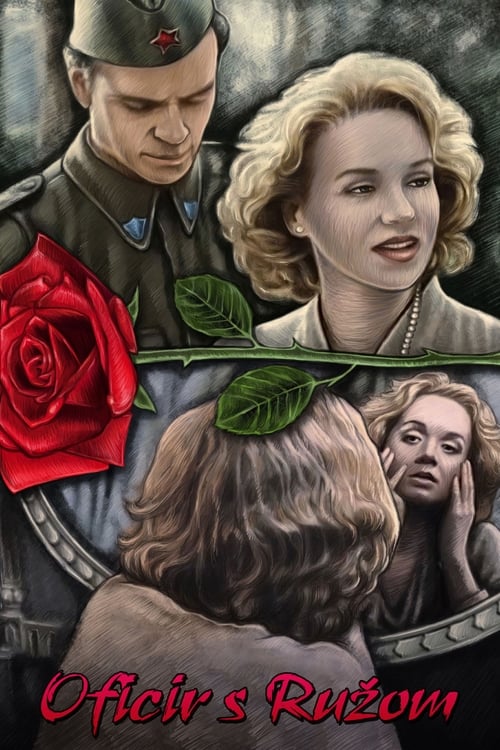
An Officer with a Rose is a character-focused drama that delves into the interplay of personal ethics and the changing sociopolitical environment in 1945 Zagreb. It excels in portraying a nuanced view of gender, transcending typical romantic clichés through the varied personalities of its female protagonists. However, the film adheres to traditional romantic structures and lacks representation of non-straight relationships. Its ethnic makeup is limited, reflecting the specific historical context of Yugoslavia. Ultimately, the film's strength lies in its insightful commentary on how centralized authority and new political systems impact personal freedom and family life.
Category Breakdown
The film focuses on a traditional love triangle involving a male officer and two women. It does not include explicit representations of non-straight relationships or queer identities.
The story highlights the ability to act and emotional depth of female characters. Matilda's property ownership and Lilijana's revolutionary spirit showcase a range of feminine roles and characteristics.
Set in post-war Zagreb, the cast primarily reflects the local population of the time. The story emphasizes class and political differences rather than racial diversity.
The film examines the tension between personal desires and the new communist regime, highlighting the intrusion of state authority into personal lives.
The film does not prominently feature physical or cognitive disabilities that play a central role in the narrative.
Present on Screen
Limited or Absent
Official Synopsis
It is 1945 in Zagreb, and everyone is settling into the new regime following the disturbances of the war. Matilda is a wealthy widow of a war hero and has an apartment so spacious that she is required to take a boarder. Fortunately for her, the handsome young Lt. Horvat, the communist housing officer, has taken a fancy to her and has assigned his fiancee to be Matilda's new roommate. Where Matilda is soft and rounded, Lilijana is hard, skinny, and given to revolutionary pronouncements rather than tender endearments. The lieutenant loves them both, though he naturally finds Matilda more attractive. His situation is simplified when Lilijana, though pregnant, is transferred to another post. However, his commander is horrified that he has a lover in addition to his fiancee and demands that he choose whether to continue his career or continue his affair.
1981

1955
1970
1948
1979

1984

1960
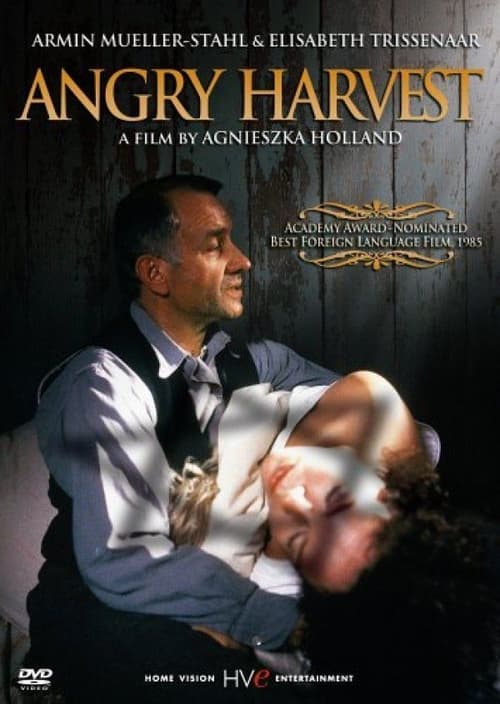
1985
No reviews yet. Be the first to share your thoughts on this movie!
Use the rating form above to leave a star rating and optional review.