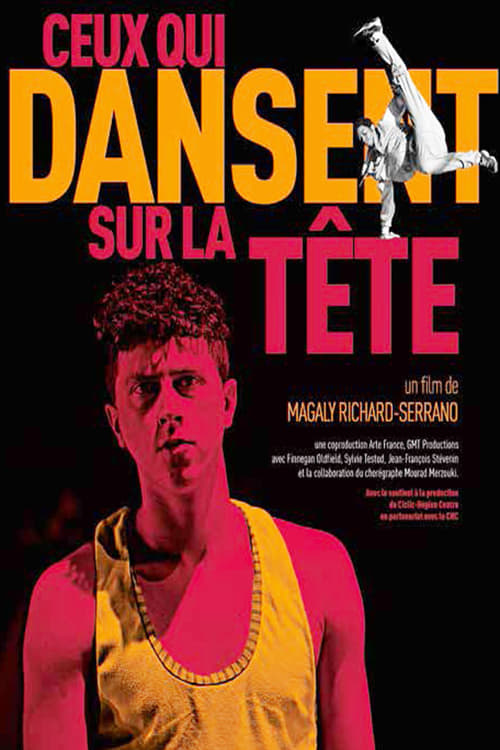
Ceux qui dansent sur la tête
2014
No user ratings available yet
Representation score: 5.4 out of 10
Representation Score
Limited
2003
Director
Édouard Lock
Runtime
60 minutes
Average Rating
No ratings yetNew Showbiz Analysis
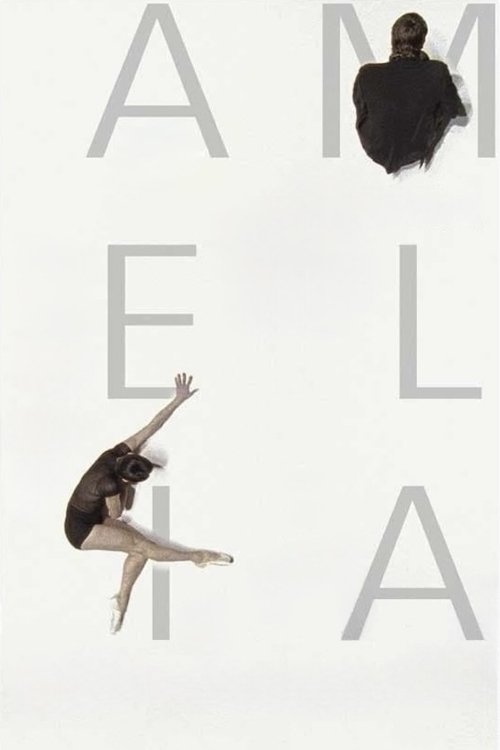
Amelia is a specialized work of postmodern dance cinema that prioritizes aesthetic experience over socio-political commentary. It succeeds in centering women's ability to drive the story, providing a subjective lens that moves beyond traditional storytelling structures. However, the film lacks multi-layered breadth. The cast is largely homogenous, and the narrative remains insulated within a stylized vacuum that avoids explicit identity-based critiques or diverse representation. Ultimately, the film's value lies in its disruption of conventional pacing and its focus on non-linear, sensory truth rather than social advocacy.
Category Breakdown
The film focuses on intimate experiences within a dreamlike setting. It explores themes of intimacy and desire but does not explicitly include LGBTQ+ identities or narratives that challenge the assumption that everyone is straight or cisgender.
Amelia is a central character with significant influence over the film's emotional journey. This focus disrupts traditional cinematic practices that often sideline women.
The cast is predominantly white, set within an idealized environment. The film does not use diverse casting or race-bending techniques to challenge historical norms.
The work operates in a psychological realm detached from organized religion or patriotism. It avoids traditional Western institutional values but does not provide an explicit critique of capitalism.
There are no prominent depictions of physical or neurodivergent disabilities. The heightened sensory experience is a stylistic choice of the dance medium rather than a narrative exploration.
Present on Screen
Limited or Absent
Official Synopsis
The multi-award-winning dance film Amelia (2002), directed and choreographed by Edouard Lock and performed by the acclaimed dance company La La La Human Steps, explores the use of point technique using extended intertwining solos, complex partnering sequences and extreme speed to generate powerful performances with unexpected moments of tender emotion and serenity.
2014
2016

1972
2011
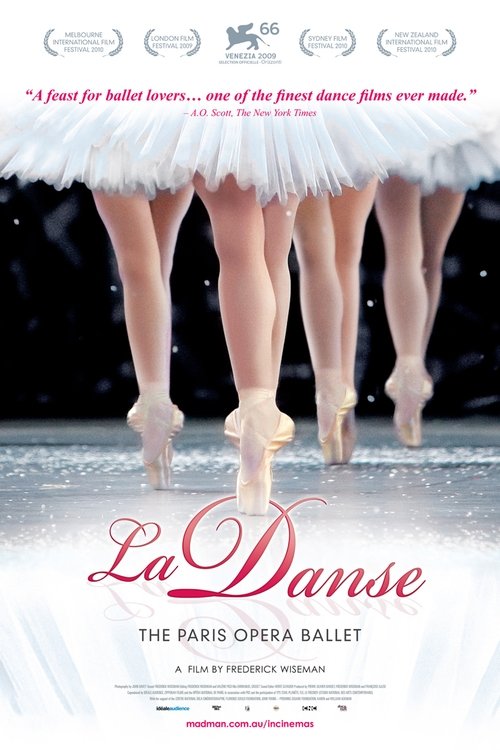
2009
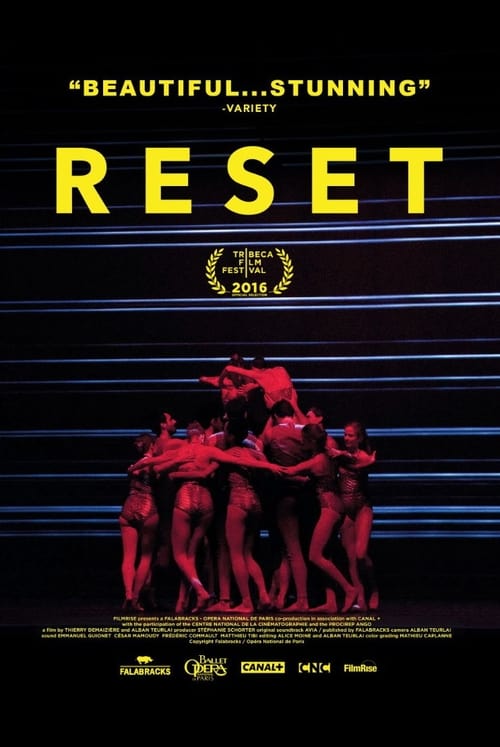
2016
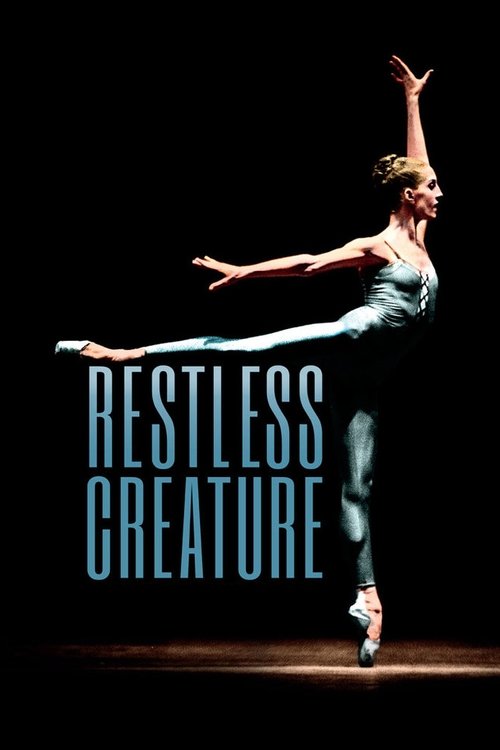
2017
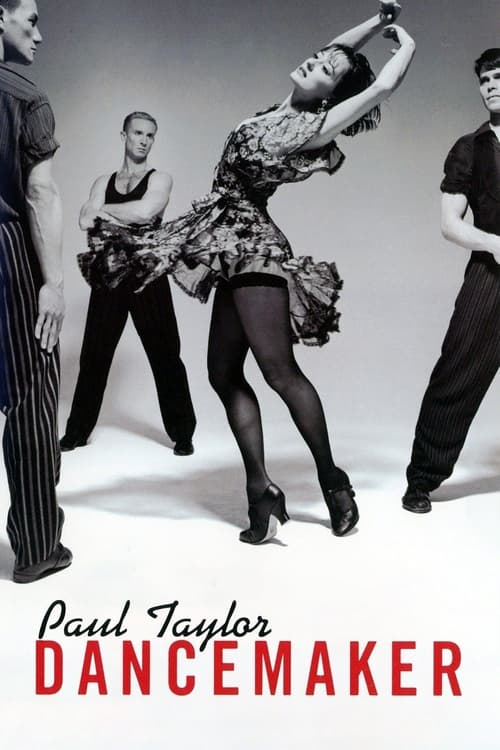
1998
No reviews yet. Be the first to share your thoughts on this movie!
Use the rating form above to leave a star rating and optional review.