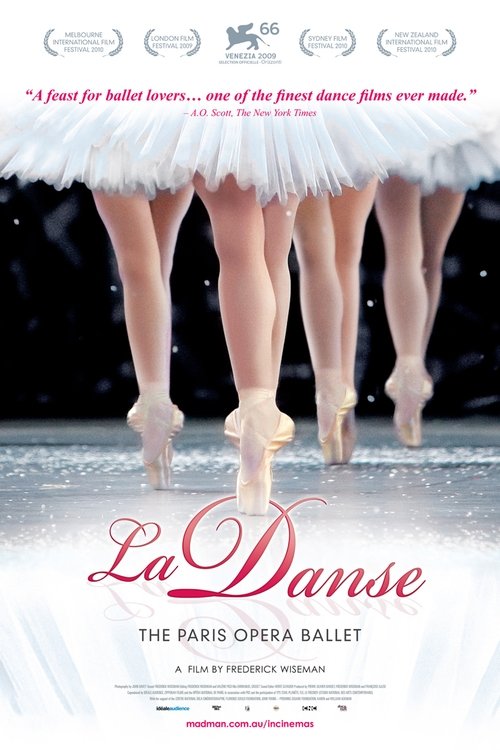
La Danse: The Paris Opera Ballet
2009
No user ratings available yet
Representation score: 4.1 out of 10
Representation Score
Fair
2016
Director
Thierry Demaizière, Alban Teurlai
Runtime
110 minutes
Average Rating
No ratings yetNew Showbiz Analysis
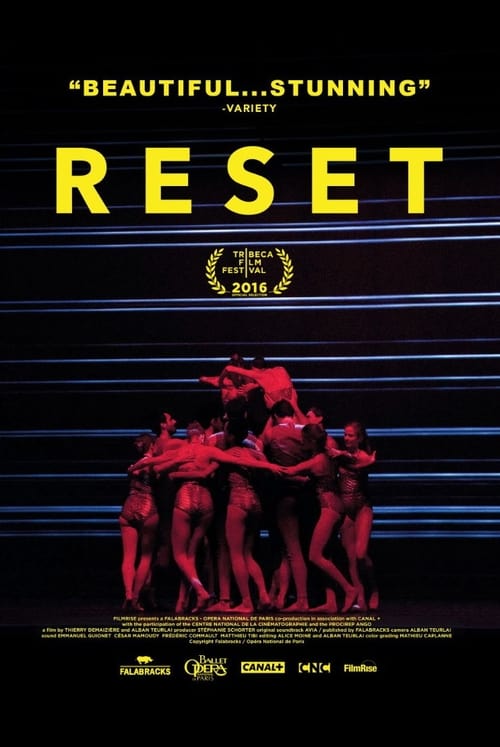
Reset serves as a specialized portrait of artistic transition within a classical framework. It prioritizes technical mastery and spatial aesthetics over issues related to identity politics or the subversion of established cultural norms. The documentary captures a watershed moment for the Paris Opera Ballet, yet the narrative remains rooted in traditional hierarchies. The focus stays on the professional rigor of the dancers and the creative process of Benjamin Millepied. Ultimately, the film functions as a study of high art and institutional evolution rather than a platform for diverse social representation.
Category Breakdown
The film focuses on technical choreography and spatial dynamics rather than identity. There is no explicit depiction of LGBTQ+ narratives or critiques of heteronormativity.
While centered on Millepied's role, the film highlights the grueling athleticism of dancers. This emphasizes technical mastery over traditional views of ballet as purely decorative femininity.
The documentary captures a transition within a traditionally homogeneous institution. It does not show a significant shift toward a non-white majority or race-bent casting.
The narrative explores the tension between tradition and modernity within a Western institution. It prioritizes the preservation of high art over religious or anti-capitalist critiques.
The film focuses strictly on elite, able-bodied professional dancers. There is no visible evidence regarding the inclusion of neurodivergent individuals or those with physical disabilities.
Present on Screen
Limited or Absent
Official Synopsis
In early 2013, it was announced that choreographer and dancer Benjamin Millepied, known as the man behind the ballet of Black Swan, would take over as director of the Paris Opera Ballet. Reset finds Millepied on the eve of his first gala with the Opera, designing and refining his inaugural choreography for the esteemed institution. As a film, Reset possesses of the same artistic assuredness as its subject as he blocks out the preliminary steps for his choreography. It explores various concepts of space simultaneously: the digital space, the space of the opera house (each scene opens with a declaration of which studio it’s in) and the space of the stage, the distance from stage right to stage left. It’s a portrait of a watershed moment for one of the ballet's oldest institutions and one of its brightest new stars, both on the cusp of great transition.
2009
2011
2017

2015
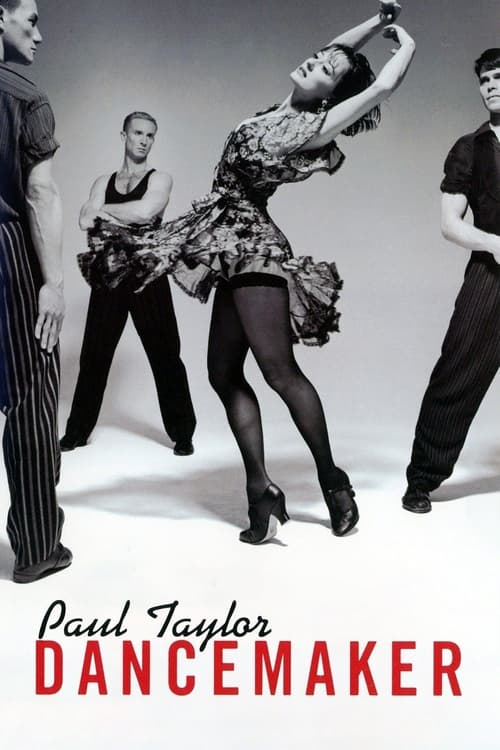
1998

2014

2012

2017
No reviews yet. Be the first to share your thoughts on this movie!
Use the rating form above to leave a star rating and optional review.