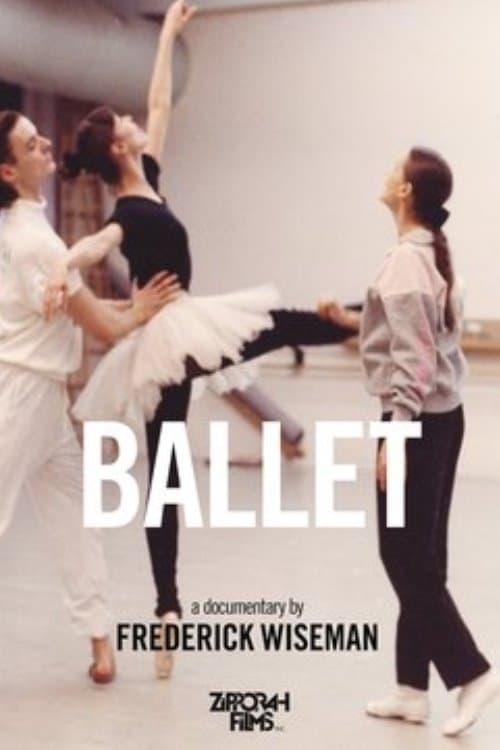
Ballet
1995
No user ratings available yet
Representation score: 5.7 out of 10
Representation Score
Fair
2009
PGDirector
Frederick Wiseman
Runtime
159 minutes
Average Rating
No ratings yetNew Showbiz Analysis
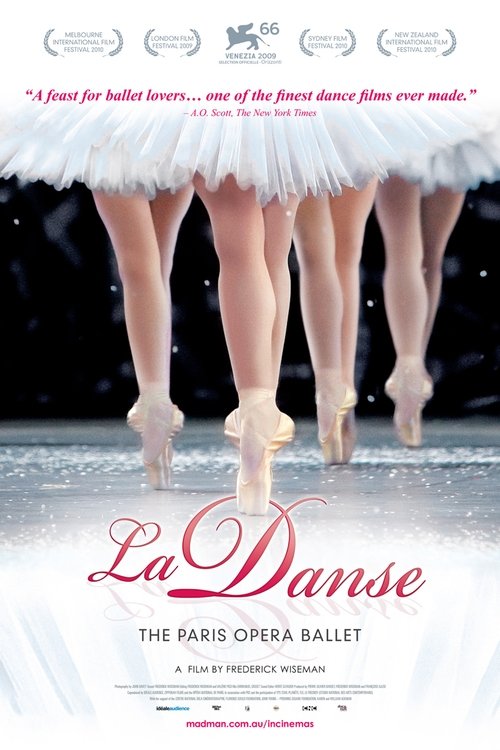
Frederick Wiseman’s documentary serves as a formalist study of institutional excellence. It provides a deep look into the mechanics of power and discipline within the Paris Opera Ballet, capturing the intense physical toll of the craft. However, the film functions as a preservation of tradition rather than a critique of it. By focusing on the established structures of classical ballet, it mirrors the historical homogeneity of the institution itself. Ultimately, the work prioritizes the systemic functioning of a high-art entity over social representation, resulting in a narrow demographic scope.
Category Breakdown
The film focuses on the technical demands of classical ballet. It does not depict same-sex intimacy or non-traditional gender identities, sticking to traditional gender roles.
Female dancers receive significant visibility, but the film maintains traditional gender divisions. Power dynamics revolve around instructor-student hierarchies, not challenging traditional gender leadership.
The cast is predominantly white and European, reflecting the historical context of the institution. It does not feature significant racial diversity.
The documentary highlights the rigor and tradition of a French state-funded entity. It focuses on preserving high-art standards rather than exploring secularism or anti-Western critiques.
The film centers on peak physical performance and idealized bodily capability. It does not explore disability, neurodivergence, or chronic illness.
Present on Screen
Limited or Absent
Official Synopsis
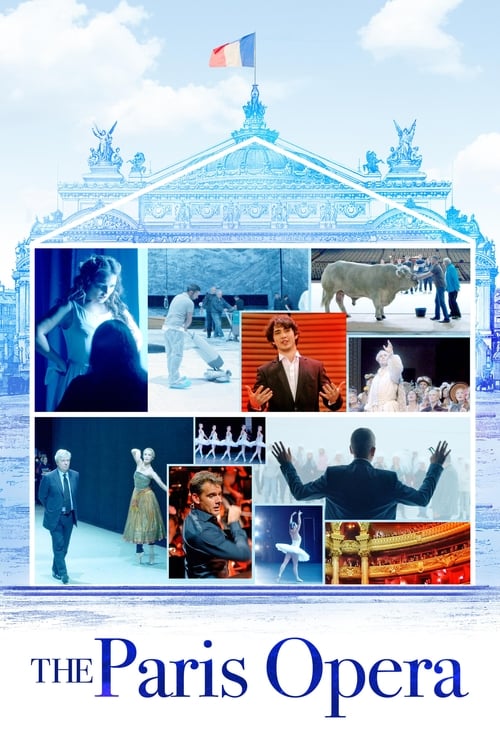
Frederick Wiseman observes the ins and outs of the Paris Opera House, including the processes behind seven of their operas: Genus (Wayne McGregor), Le Songe de Médée (Angelin Preljocaj), La Maison de Bernarda (Mats Ek), Paquita (Pierre Lacotte), Casse-Noisette (Rudolf Nureyev), Orphée et Eurydice (Pina Bausch), and Roméo et Juliette (Sasha Walt).
1995
2015
2017
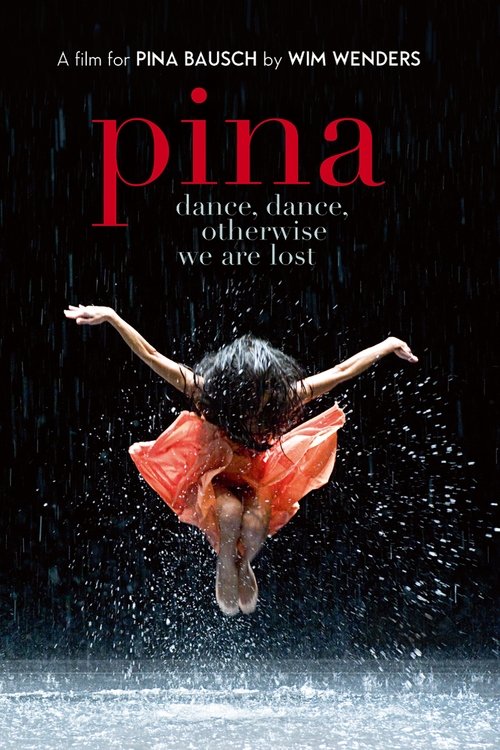
2011
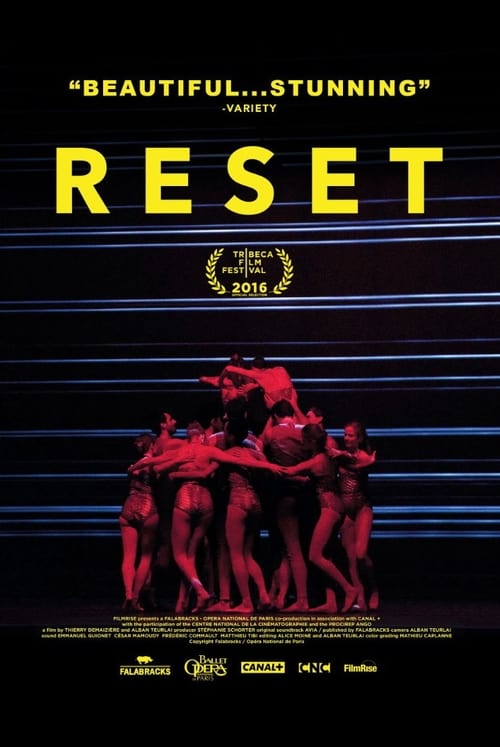
2016
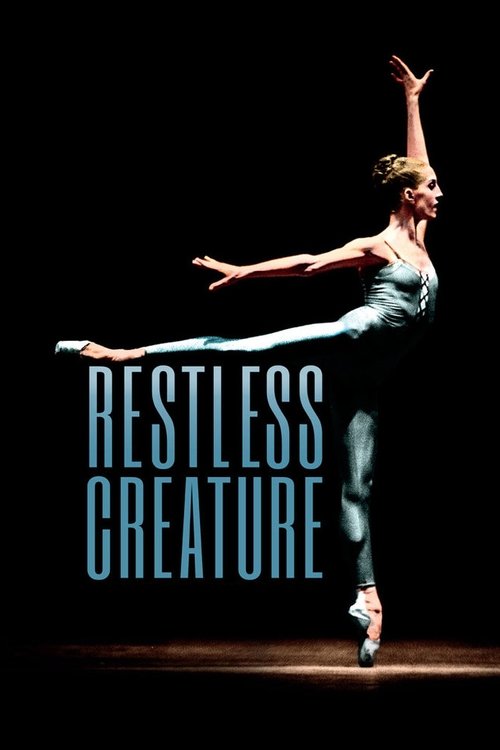
2017
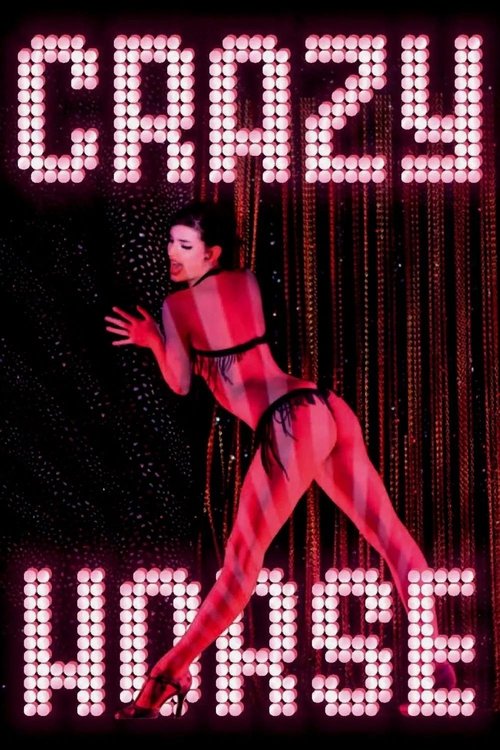
2011
2006
No reviews yet. Be the first to share your thoughts on this movie!
Use the rating form above to leave a star rating and optional review.