
Isadora
1968
No user ratings available yet
Representation score: 6.1 out of 10
Representation Score
Fair
2016
Not RatedDirector
Stéphanie Di Giusto
Runtime
108 minutes
Average Rating
No ratings yetNew Showbiz Analysis
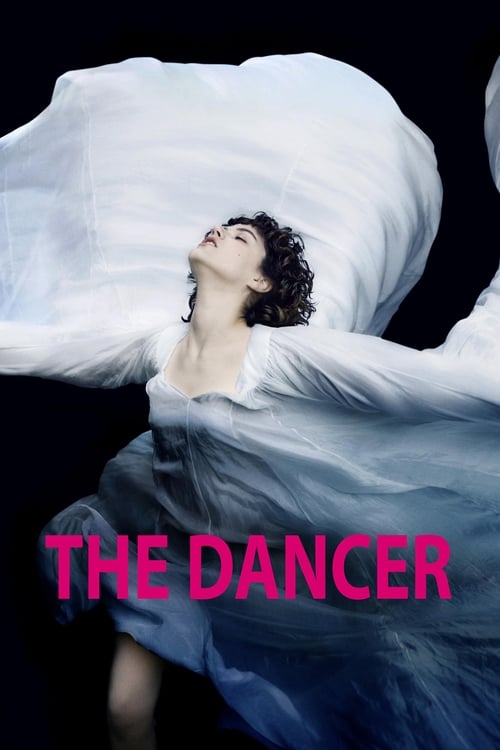
The Dancer is a character-driven biographical drama that excels in its portrayal of women who play a significant role in driving the story and intellectual mastery. By highlighting Loïe Fuller’s technical innovations and her role as a creative architect, the film challenges traditional stereotypes of female performers. However, the film’s historical setting limits its diversity. The professional circles of the Belle Époque are depicted as largely homogeneous, reflecting the social structures of the time. The relationship between Fuller and Duncan carries significant emotional weight, but the film avoids explicit categorizations related to LGBTQ+ identities.
Category Breakdown
The film highlights a strong bond between Loïe Fuller and Isadora Duncan, suggesting a deep personal connection. However, the narrative focuses more on their professional legacies and shared experiences as women, rather than explicitly addressing their LGBTQ+ identities.
The film portrays women who play a significant role in driving the story and intellectual mastery. Loïe Fuller is shown as a pioneering figure who challenges the stereotype of passive performers.
The cast reflects the demographic homogeneity of turn-of-the-century Paris and the American Midwest. There is a lack of diverse representation within the professional dance community.
The film critiques rigid artistic institutions and frames established cultural authorities as obstacles to progress. It emphasizes modern, individualistic achievements over traditional social norms.
There are no prominent depictions of visible or invisible disabilities that play central roles in the plot or character development.
Present on Screen
Limited or Absent
Official Synopsis
A young woman from the American Midwest, Loïe Fuller became the toast of the Folies Bergère at the turn of the 20th century and an icon of the Belle Epoque. Inventor of the breathtaking Serpentine Dance, she was a pioneer of modern dance and lighting techniques. It was her complicated relationship to her protégé - Isadora Duncan – that precipitated the downfall of this early 20th century icon.
1968
1988
1997
2018
2016

2023
2017
2022
No reviews yet. Be the first to share your thoughts on this movie!
Use the rating form above to leave a star rating and optional review.