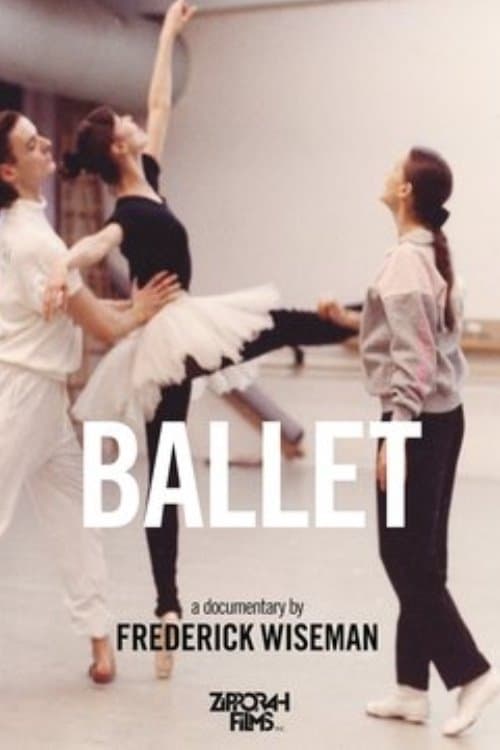
Ballet
1995
No user ratings available yet
Representation score: 5.7 out of 10
Representation Score
Good
1998
Director
Matthew Diamond
Runtime
98 minutes
Average Rating
No ratings yetNew Showbiz Analysis
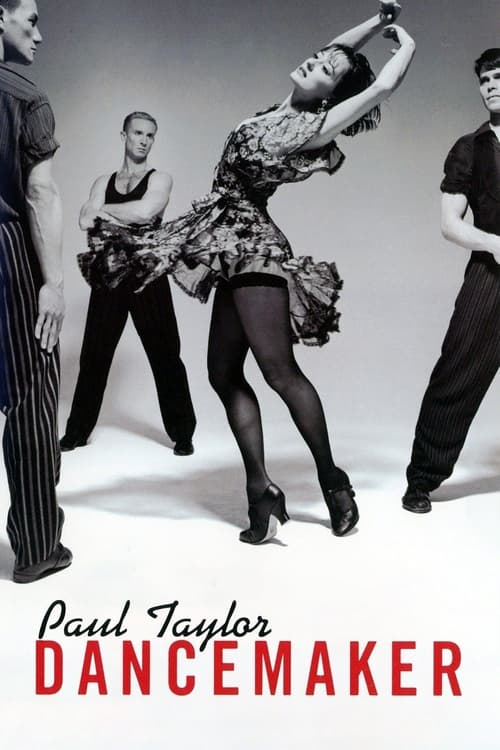
Dancemaker offers a detailed look at the professional world of modern dance. It emphasizes the technical discipline and artistic philosophy of Paul Taylor over broader social critiques or identity-focused narratives. The film excels in documenting the methodologies and the control dancers have within a demanding hierarchy. It includes international contexts, adding a more global perspective. However, it remains primarily focused on professional excellence and does not actively challenge traditional social or political norms.
Category Breakdown
The film captures the close-knit environment of a professional dance company but does not explicitly address LGBTQ+ identities or non-straight relationships. It maintains a neutral stance focused on the professional aspects.
Dancers show significant control and influence over their roles while working under Paul Taylor's strict standards. However, the narrative still leans towards a traditional hierarchy centered around a male leader.
The troupe's journey to India introduces a diverse range of ethnicities, providing a richer, more global perspective on the dance company.
The documentary focuses on the secular pursuit of artistic excellence, depicting a highly disciplined professional environment that operates largely outside traditional Western religious norms.
The film highlights the peak physical abilities required for modern dance, focusing on the idealized physical prowess of the performers rather than addressing neurodivergence or visible disabilities.
Present on Screen
Limited or Absent
Official Synopsis
A look at Paul Taylor and his dance company over several months in 1997. Preparation of Taylor's piece, "Piazzolla Caldera," from conception and rehearsals to opening night at City Center, frames the film. The troupe's trip to India falls in the middle. Included are black and white footage of rehearsals, and, in color, interviews with Taylor, his dancers, dance critics and scholars, and those who manage the business side. There is also footage of a younger Taylor dancing and film of the troupe performing a dozen Taylor pieces. His genius, his roots, his method of working with dancers, and his sometimes difficult nature draw the attention of those who comment.
1995
2011
2016

2014
2009
2012
2017

2015
No reviews yet. Be the first to share your thoughts on this movie!
Use the rating form above to leave a star rating and optional review.