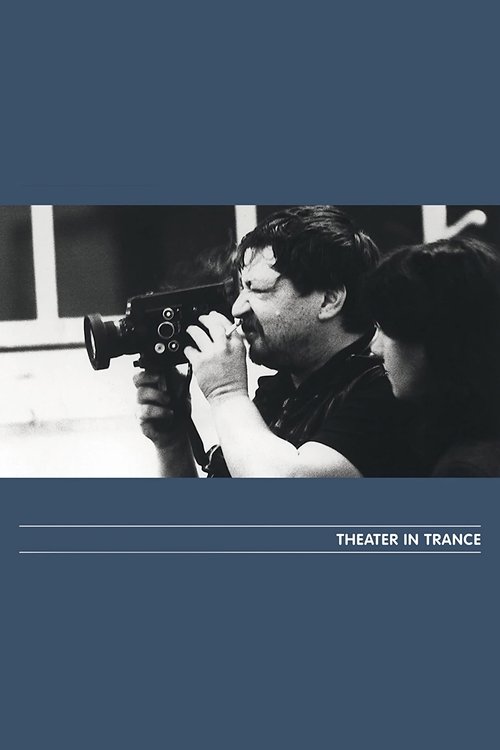
Theater in Trance
1981
No user ratings available yet
Representation score: 7.5 out of 10
Representation Score
Good
1970
Director
Sheldon Rochlin
Runtime
105 minutes
Average Rating
No ratings yetNew Showbiz Analysis
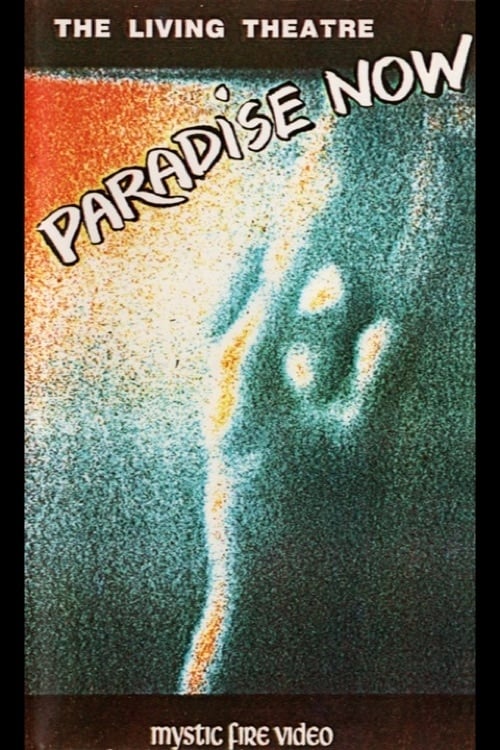
Sheldon Rochlin’s documentary captures the radical essence of the Living Theatre, focusing on the subversion of social hierarchies. The film succeeds in documenting a movement that actively sought to dismantle traditional Western structures through communal expression. The strength of the work lies in its cultural critique and its ability to translate a chaotic theatrical event into poetic cinema. It provides a vital look at counter-cultural movements that challenged the status quo of the 1970s. However, the film's focus on ideology over specific demographics limits its clarity regarding racial and ethnic representation. Additionally, the lack of information regarding disability representation leaves a gap in the assessment of its inclusivity.
Category Breakdown
The film highlights a movement that challenges traditional gender norms and social structures. The Living Theatre's work often featured unconventional gender expressions and communal intimacy to defy societal norms.
The production captures a frenzied theatrical performance aimed at breaking down traditional power structures. It emphasizes the blending of gender roles and the rejection of patriarchal leadership through egalitarian principles.
The film's European settings suggest a diverse, multi-ethnic gathering. However, the focus remains more on ideological themes rather than specific demographic makeup.
The work serves as a critique of capitalism, organized religion, and the state. It prioritizes personal, experiential truth over institutional realities and traditional Western stability.
There is no evidence available to evaluate the portrayal of physical or neurodivergent disabilities in this film.
Present on Screen
Limited or Absent
Official Synopsis
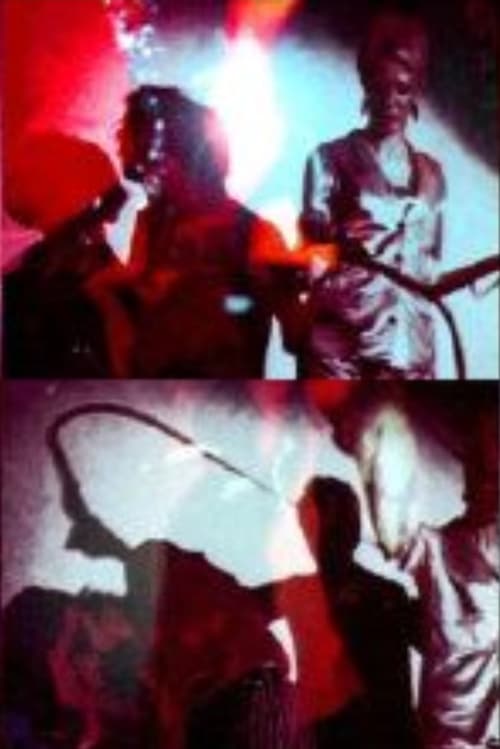
At least forty films have been made about the Living Theatre; it remained to the American underground filmmaker Sheldon Rochlin (previously responsible for the marvellous Vali) to make the 'definitive' film about one of the most famous of their works, Paradise Now, shot in Brussels and at the Berlin Sportpalast. Made on videotape, with expressionist colouring 'injected' by electronic means, this emerges as a hypnotic transmutation of a theatrical event into poetic cinema, capturing the ambiance and frenzy of the original. No documentary record could have done it justice.
1981
1992
1964
1968
2011
1969
1967
2004
No reviews yet. Be the first to share your thoughts on this movie!
Use the rating form above to leave a star rating and optional review.