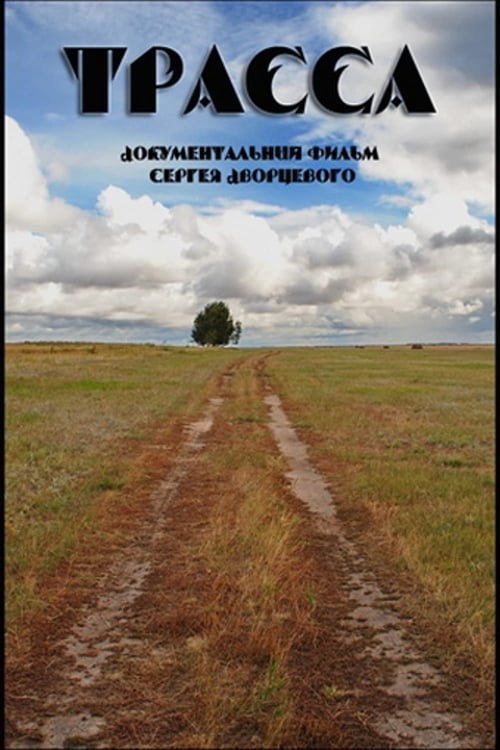
Highway
1999
No user ratings available yet
Representation score: 6.0 out of 10
Representation Score
Limited
1995
Director
Sergei Dvortsevoy
Runtime
22 minutes
Average Rating
No ratings yetNew Showbiz Analysis
Paradise is a documentary that emphasizes the lived reality of a nomadic Kazakh community. It highlights the community’s resilience within its own social and gendered structures. The film’s strength lies in its refusal to impose Western cultural norms on its subjects. It offers a deep look at Kazakh traditions and ways of life. However, it adheres strictly to traditional hierarchies and does not include progressive representations.
Category Breakdown
The film focuses on the survivalist mechanics of nomadic life. It does not include any characters or stories related to LGBTQ+ identities.
Gender roles are shown traditionally, with women handling domestic duties and men taking care of the physical tasks involved in herding.
The film centers on a nomadic Kazakh community, providing insight into non-Western lifestyles. It avoids a touristy perspective by focusing on indigenous traditions.
The narrative depicts a self-sufficient community that operates independently of Western capitalist and religious systems. It captures the harsh realities of a subsistence lifestyle.
There are no prominent depictions of visible or invisible disabilities used as central character arcs or plot devices.
Present on Screen
Limited or Absent
Official Synopsis
Sergey Dvortsevoy makes his international debut with this astonishingly intimate portrait of a nomadic family on the Kazakh plains. Several scenes in this slow, elegant film betray a certain dry humor -- a child devouring the last of a bowl of yogurt and then crying; a cow getting its head stuck in a pail; and a woman singing to herself, accompanied by her snoring husband. Other scenes capture the nomads' hardscrabble lives -- drunken herdsmen in the grips of existential despair, growling dogs, and a camel enduring a rather grim septum piercing. By the end of the film, the family pulls up stakes and herds its sundry four-legged beasts -- camels, cattle, goats, dogs, and horses -- to a more fertile plain. This film was screened at the 1999 Yamagata International Documentary Film Festival.
1999
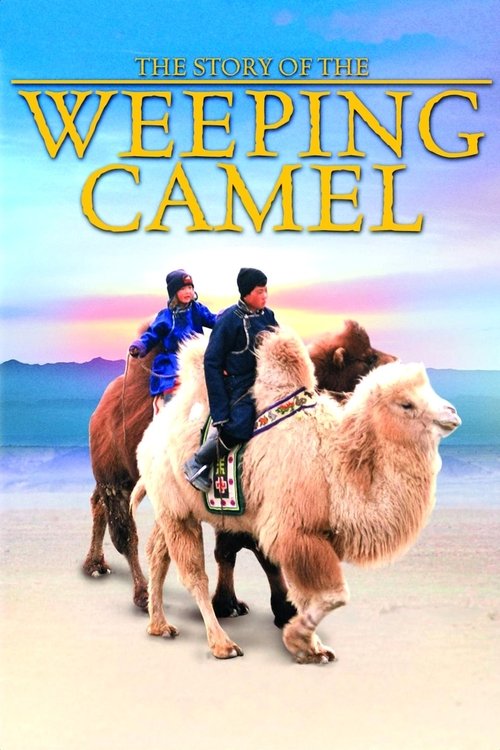
2004
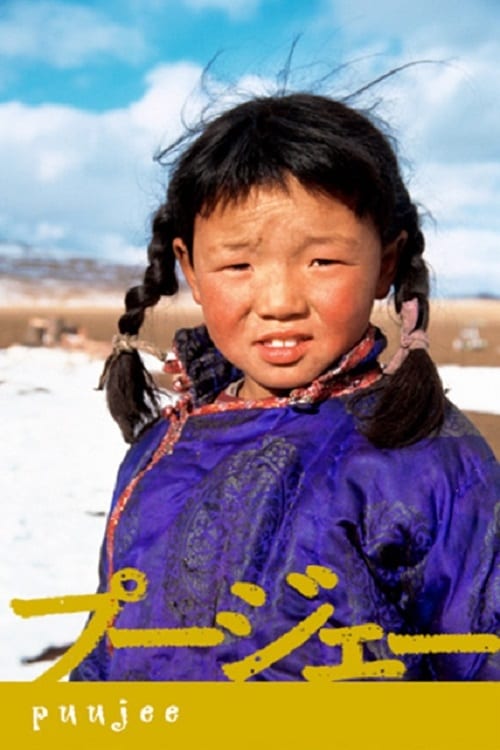
2006
1978
1925
2013
2013
2010
No reviews yet. Be the first to share your thoughts on this movie!
Use the rating form above to leave a star rating and optional review.