
Oratorio for Prague
1968
No user ratings available yet
Representation score: 1.9 out of 10

Representation Score
Good
2024
Director
Klára Tasovská
Runtime
91 minutes
Average Rating
No ratings yetNew Showbiz Analysis
Klára Tasovská’s documentary offers a progressive look at identity formation during a period of intense political repression. By using Libuše Jarcovjáková’s archival photographs, the film centers a woman’s perspective that resists the constraints of Czechoslovak normalization. The work connects political liberation with gender autonomy effectively. It uses photography to validate lived experiences that were historically sidelined by the state. While the film provides deep insights into social non-conformity, it remains focused on a specific ethnic demographic. The emphasis is on political and social 'otherness' rather than racial diversity.
Category Breakdown
The film examines a journey toward freedom that intersects with LGBTQ identity and challenges state mandates that assume everyone is straight. It uses personal photography to reclaim bodily autonomy.
By focusing on a woman's perspective in a traditionally male-dominated field, the film disrupts conventional hierarchies. It positions a woman as the main driver of her own liberation.
The subjects primarily represent the local ethnic demographics of post-1968 Czechoslovakia. The film focuses more on political non-conformity than on multi-ethnic representation.
The narrative critiques institutional structures by portraying state-mandated morality as oppressive. It highlights individual ability to act against systemic dominance.
There is no explicit evidence regarding the portrayal of physical or neurodivergent disabilities in the film.
Present on Screen
Limited or Absent
Official Synopsis
After the Soviet invasion of Czechoslovakia in 1968, Libuše Jarcovjáková, a young female photographer, strives to break free from the constraints of Czechoslovak normalization and embarks on a wild journey towards freedom, capturing her experiences on thousands of subjective photographs.
1968
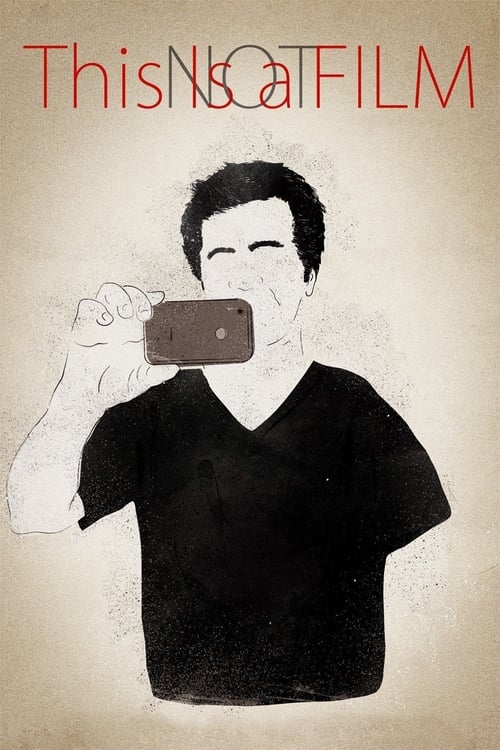
2011
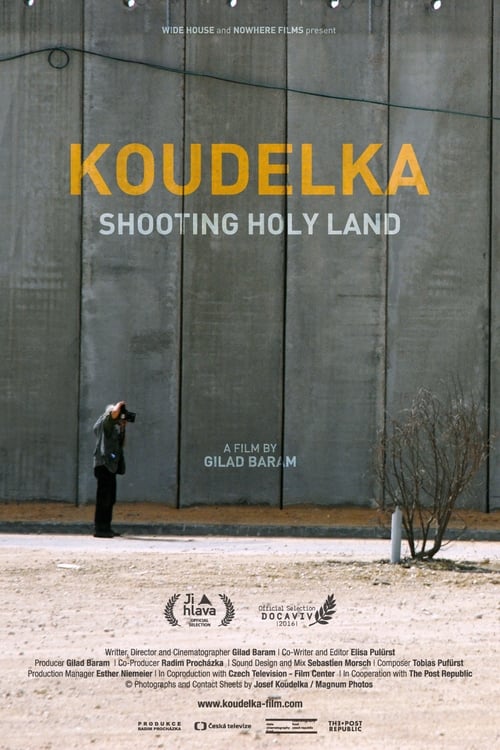
2017
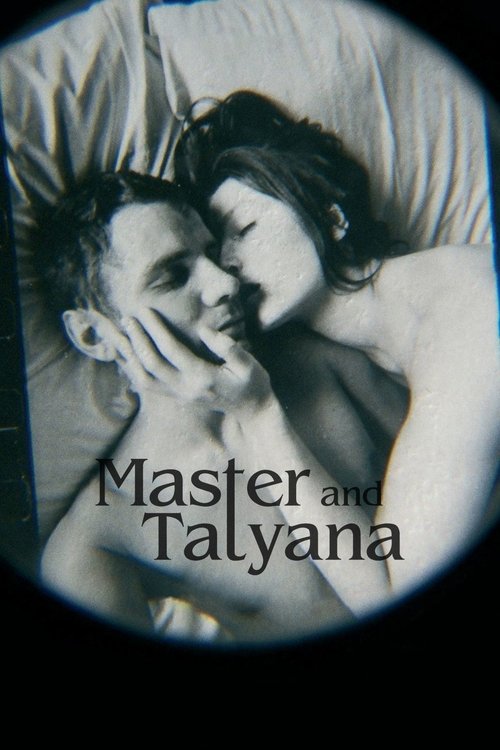
2015
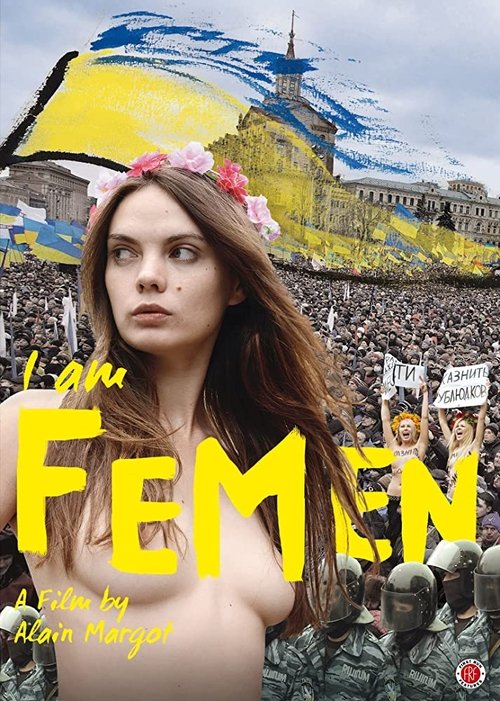
2014
2002
2020
2020
No reviews yet. Be the first to share your thoughts on this movie!
Use the rating form above to leave a star rating and optional review.