
College Boys Live
2009
No user ratings available yet
Diversity score: 6.9 out of 10
2013
TV-14Director
Marta Cunningham
Runtime
89 minutes
Average Rating
No ratings yetSynopsis
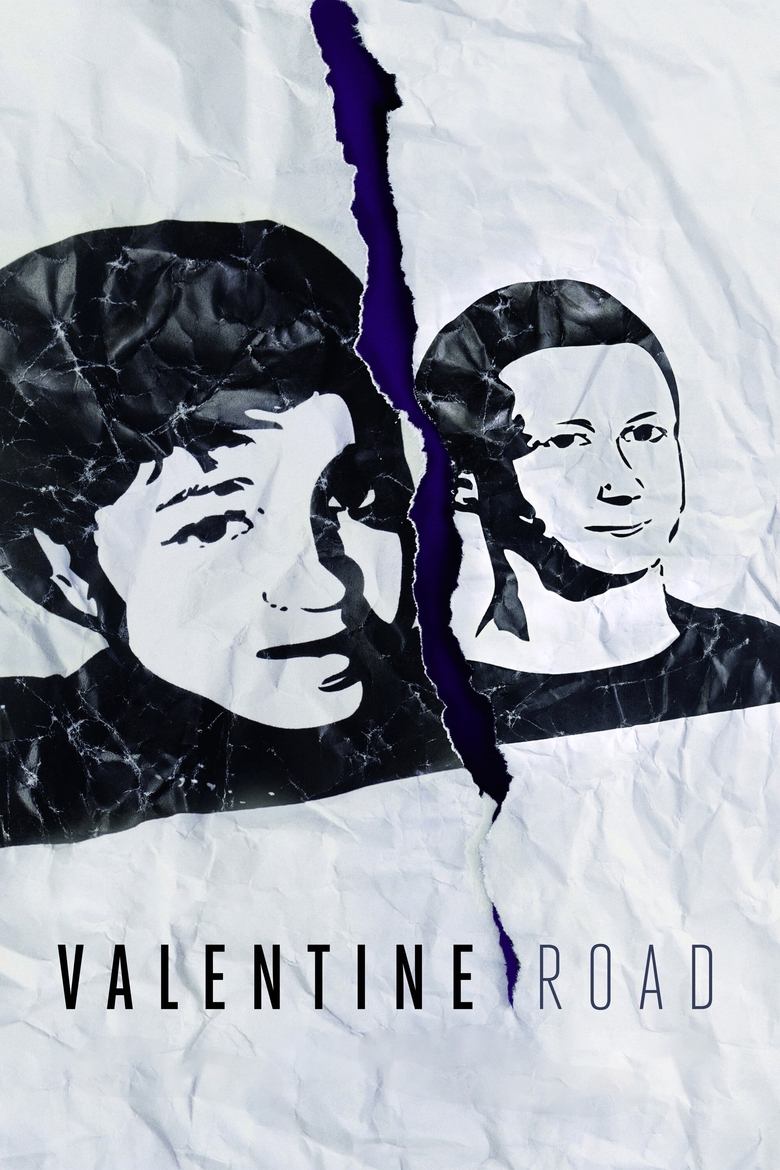
On February 12, 2008, in Oxnard, California, eighth-grade student Brandon McInerney shot his classmate Larry King twice in the back of the head during first period. When Larry died two days later, his murder shocked the nation. Was this a hate crime, one perpetrated by a budding neo-Nazi whose masculinity was threatened by an effeminate gay kid who may have had a crush on him? Or was there even more to it?
Overall Score
Good
Category Breakdown
LGBTQ+ Representation
The film centers on Larry King, exploring how his effeminacy and perceived orientation drive the investigation. It examines the vulnerabilities of LGBTQ+ youth facing heteronormative pressures in school settings.
Gender Representation
The documentary deconstructs adolescent masculinity and how perceived threats to gender identity can trigger aggression. It challenges rigid masculine hierarchies by analyzing the perpetrator's motivations.
Racial & Ethnic Diversity
The narrative focuses primarily on sexual orientation and gender expression. While set in Oxnard, California, it lacks a significant emphasis on racial or ethnic intersectionality.
Religious & Cultural Diversity
The film uses a systemic lens to question how legal and educational institutions handle hate crimes. It moves beyond simple morality to examine complex social and situational ethics.
Disability Representation
There is no explicit evidence regarding the portrayal of physical or neurodivergent disabilities within the film's narrative.
Strengths
Areas for Improvement
AI Analysis
Valentine Road avoids the reductive tropes of standard true-crime documentaries. Instead of a simple villain-versus-victim story, it investigates the sociopolitical implications of identity-based violence and systemic failure. The film excels at analyzing how social hierarchies and gendered expectations manifest in tragedy. It provides a nuanced look at how adolescent masculinity and non-conforming gender expressions intersect with violence. However, the documentary's focus is narrow. While it offers deep insight into LGBTQ+ and gender dynamics, it provides less exploration of racial or ethnic intersectionality within the community.
2009
2009
2016

2018
2009

2012
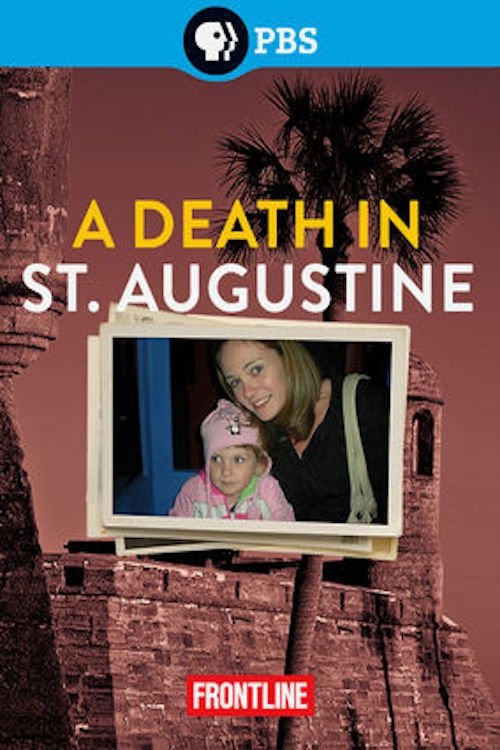
2013

2007
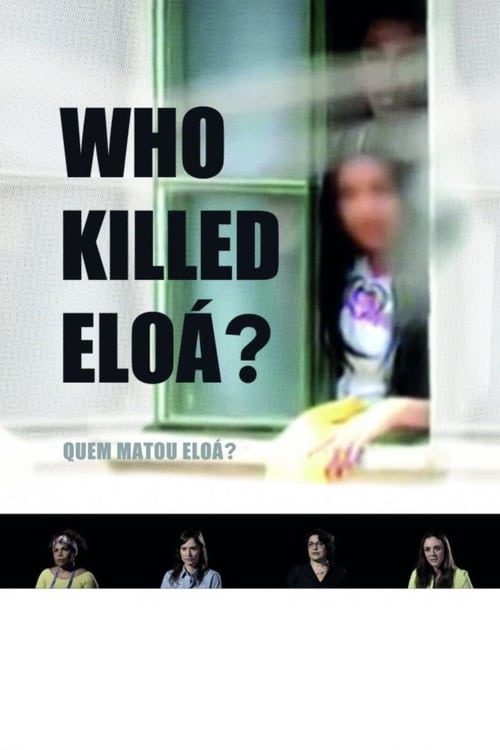
2015
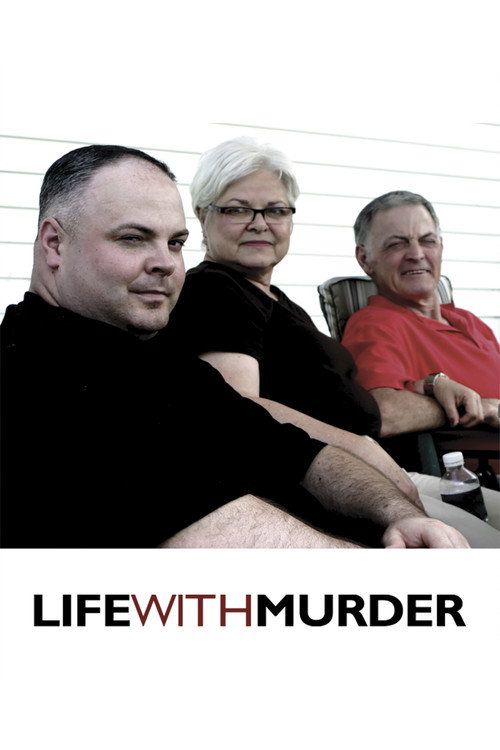
2010

2016
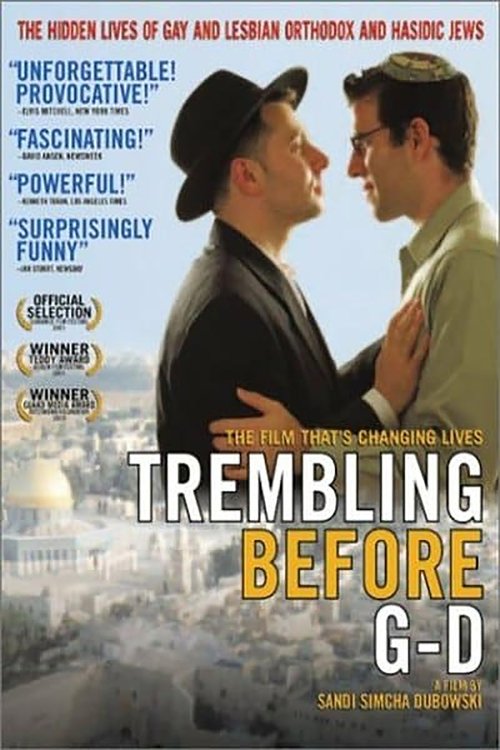
2001
No reviews yet. Be the first to share your thoughts on this movie!
Use the rating form above to leave a star rating and optional review.