
Free Speech Fear Free
2017
No user ratings available yet
Diversity score: 5.6 out of 10
2015
Director
Jan-Henrik Gruszecki, Marc Quambusch
Runtime
107 minutes
Average Rating
No ratings yetSynopsis
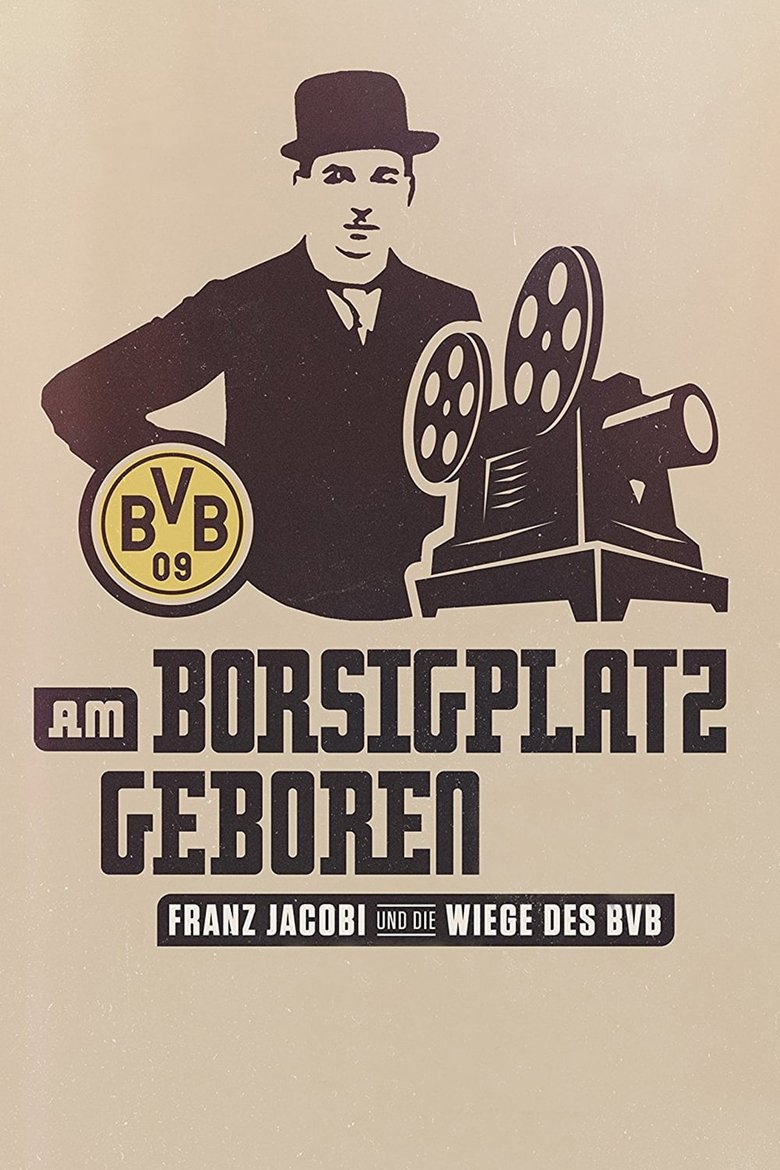
December 19th, 1909, Sunday, the fourth Advent. At the Borsigplatz, the big bang happens: The catholic church wants to ban Franz Jacobi and his friends from playing soccer. But the boys rebel against the church and found a soccer club which would later achieve world fame: Borussia Dortmund.
Overall Score
Fair
Category Breakdown
LGBTQ+ Representation
The documentary focuses on the historical formation of a soccer club among young men in 1909. There is no explicit mention of LGBTQ+ characters or non-cisnormative identities.
Gender Representation
The narrative centers on a male-dominated historical event involving young men. It reflects the era's social structures without depicting female agency or subverting gender hierarchies.
Racial & Ethnic Diversity
Set in a specific German locale in 1909, the film lacks evidence of diverse ethnic perspectives. The score reflects a standard historical baseline for the period.
Religious & Cultural Diversity
The film critiques religious authority by framing the Catholic Church as an obstructive force. It celebrates the rebellion of local youth against ecclesiastical bans.
Disability Representation
There is no mention of characters with visible or invisible disabilities. No assessment can be made regarding the inclusion of disability in this context.
Strengths
Areas for Improvement
AI Analysis
Am Borsigplatz geboren is a historical documentary that finds its strength in challenging institutional authority. By focusing on the grassroots rebellion of young men against the Catholic Church, the film highlights themes of secularism and community agency. This critique of traditional religious dogma provides a meaningful cultural perspective. However, the film's scope is limited by the historical context of 1909. The narrative is heavily centered on male camaraderie and athletic competition, offering little to no representation of women, diverse ethnic groups, or LGBTQ+ identities. This creates a narrow demographic focus. Ultimately, while the film succeeds as a study of social disruption against religious hierarchies, it lacks the intersectional breadth required for a higher diversity score. It remains a period-specific account of a predominantly homogenous group.
2017
2024
2015

2019

2009
2021
2004

2012
2005

1967

2018
2007
No reviews yet. Be the first to share your thoughts on this movie!
Use the rating form above to leave a star rating and optional review.