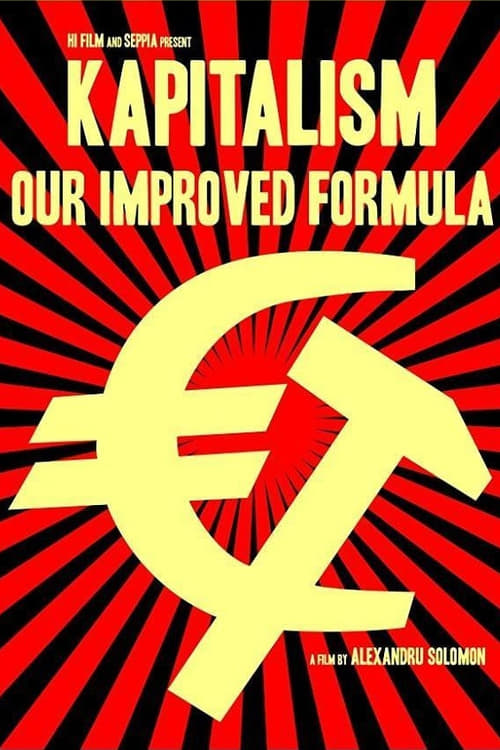
Kapitalism: Our Improved Formula
2010
No user ratings available yet
Representation score: 4.1 out of 10
Representation Score
Fair
2009
Director
Želimir Žilnik
Runtime
122 minutes
Average Rating
No ratings yetNew Showbiz Analysis
Želimir Žilnik’s documentary offers a non-Western perspective on the transition from state socialism to capitalism in Serbia. By focusing on local labor strikes and the impact of global economic shifts, the film challenges the perceived inevitability of capitalist hegemony. The film excels in its cultural critique, framing economic shifts as systemic imposition rather than progress. It uses the lived experiences of the Serbian working class to deconstruct dominant socio-economic frameworks and institutional authority. However, the film's focus on class and industrial conflict leaves gaps in identity-based representation. There is no clear evidence regarding LGBTQ+ identities or disability representation, and gender dynamics remain unconfirmed.
Category Breakdown
The film does not include explicit LGBTQ+ characters or explore non-straight relationships. Its main focus is on class struggle and labor relations.
The film examines workplace power dynamics through industrial strikes. It highlights the ability to act of the working class against authority, but does not provide specific data on gender-based subversion.
The film centers the Serbian experience, providing a non-Western perspective. It uses international figures to highlight the tension between local identity and globalization.
The film strongly critiques neoliberal institutions, presenting the shift to capitalism as the arrival of a 'new god.' It emphasizes systemic critique over Western economic ideals.
There is no discernible evidence regarding the portrayal of physical or neurodivergent disabilities within the film's narrative.
Present on Screen
Limited or Absent
Official Synopsis
A mixture of documentary and fiction examines the new god of Capitalism offered to the Serbs with the ending of state socialism. We look at a number of strikes in Belgrade during the late 2000s and these introduce us to several characters playing themselves. Employees dressed in American football helmets and pads square up with employers' heavies in their bullet-proof vests, resulting in explosive situations. A visit from the Russian tycoon's representative and vice president Joe Biden's arrival further complicates the proceedings.
2010

2013
1976
2005
2017
2015
2004
2009
No reviews yet. Be the first to share your thoughts on this movie!
Use the rating form above to leave a star rating and optional review.