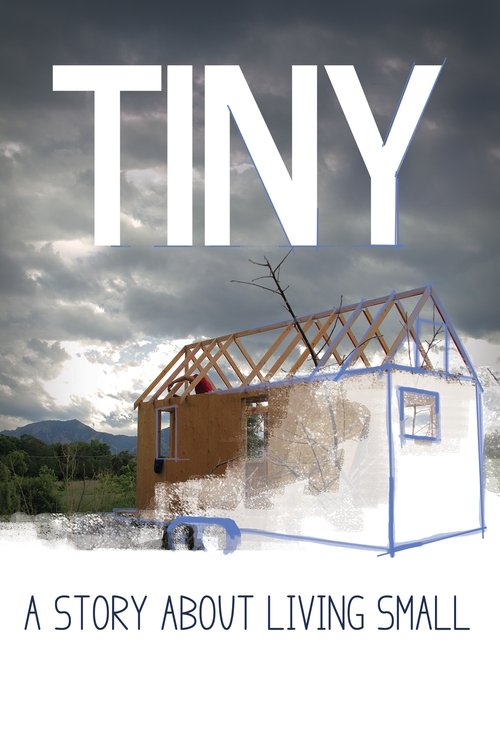
TINY: A Story About Living Small
2013
No user ratings available yet
Diversity score: 6.1 out of 10

2018
Director
Lola Randl
Runtime
96 minutes
Average Rating
No ratings yetSynopsis
Lola and her family leave Berlin to move to the Uckermarck, a picturesque yet structurally poor region north of the city. While they are looking for the simple, good life in the countryside, the locals are sceptical about the new neighbours. To bridge the gap and overcome stereotypes Lola sets up a project to bring the old garden back to life, growing and breeding their own food. More and more people from the city and the village join in and the project becomes a reflection on how we are living our lives today. How does the modern urban, individual define work and love? And how does this change our relationships?
Overall Score
Fair
Category Breakdown
LGBTQ+ Representation
The film explores how modern life defines love, creating space for non-traditional relationship structures. While specific identities aren't detailed, the narrative suggests a potential for nuanced depictions of intimacy.
Gender Representation
Lola Randl centers the narrative on a female-led social project. This positioning subverts traditional patriarchal leadership by making ecological stewardship and community change a woman-driven impetus.
Racial & Ethnic Diversity
The tension focuses on urban-to-rural migration rather than explicit ethnic integration. The project aims to bridge cultural gaps, though the primary conflict remains socio-economic and regional.
Religious & Cultural Diversity
The documentary critiques capitalist consumerism through communal subsistence. It challenges Western institutional norms by prioritizing collective effort and fluid, communal ethics over rigid social codes.
Disability Representation
There is no specific mention of characters or subjects navigating physical or neurodivergent disabilities within the narrative.
Strengths
Areas for Improvement
AI Analysis
The Bees and the Birds functions as a sociological study of community reintegration. It uses a communal gardening project to examine the friction between modern individualism and traditional agrarian structures. The film excels at challenging Western institutional norms and capitalist consumerism. By focusing on collective subsistence, it offers a strong critique of modern urban lifestyles and social hierarchies. However, the film lacks explicit evidence regarding racial and LGBTQ+ identities. The narrative tension is primarily defined by the cultural divide between urban migrants and rural locals.
2013
2010

2011

2003
2005
2010
2021
2016
2012
2016
2004

2012
No reviews yet. Be the first to share your thoughts on this movie!
Use the rating form above to leave a star rating and optional review.