
Kamen Rider Zi-O NEXT TIME: Geiz, Majesty
2020
No user ratings available yet
Representation score: 2.6 out of 10
Representation Score
Fair
2016
Director
Osamu Kaneda
Runtime
96 minutes
Average Rating
No ratings yetNew Showbiz Analysis
The film functions as a traditional genre piece, emphasizing established hero archetypes and classical storytelling. It centers on the conflict between justice and systemic villainy, without deconstructing social hierarchies. The protagonist's cyborg status offers a unique angle to discuss bodily autonomy and physical alterations. However, the narrative remains grounded in conventional clichés, focusing on plot-driven action and moral binaries.
Category Breakdown
The film does not include any characters with non-straight or non-cisgender identities, nor does it address issues related to the assumption that everyone is straight or cisgender.
The main characters are male, with a female character serving mainly as a plot device rather than an active participant.
The film is set in Japan and features characters that align with the franchise’s cultural context. There is no indication of a diverse cast representing various ethnicities.
The story revolves around traditional moral values focused on protecting humanity, without challenging institutions or promoting moral relativism.
Takeshi Hongo is a cyborg, which presents an opportunity to explore themes of bodily autonomy and physical alterations.
Present on Screen
Limited or Absent
Official Synopsis
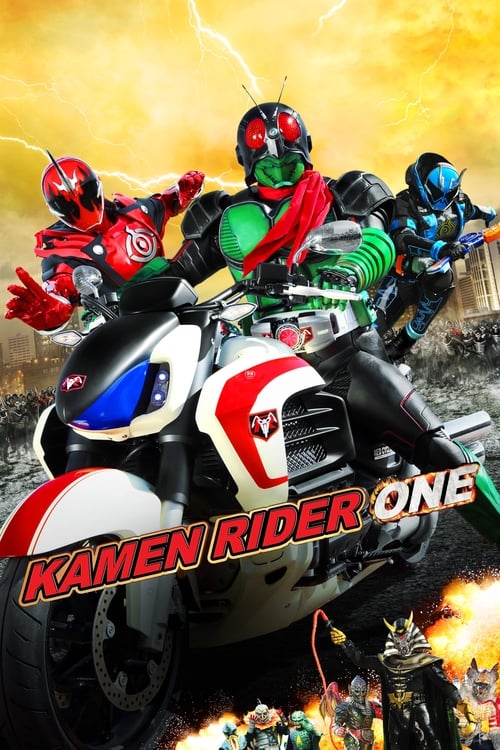
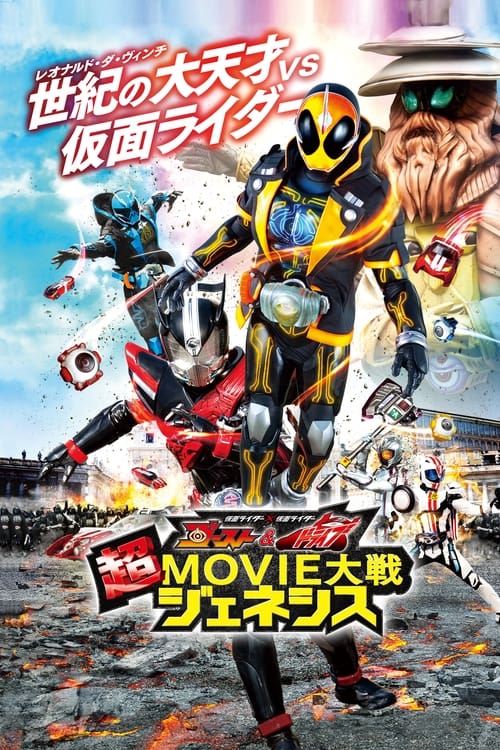
45 years ago, a man was subjected to the experiments of the secret organization Shocker and became a cyborg. Since that day, the man's sole mission has been protecting humanity and justice from the threat of Shocker. His name is Takeshi Hongo, the first Kamen Rider. After a long battle overseas, Hongo hears a certain girl is in danger and immediately returns to Japan. He then meets Takeru Tenkuji, Kamen Rider Ghost, who had been investigating the girl's whereabouts.
2020

2018
2015
2008
2005
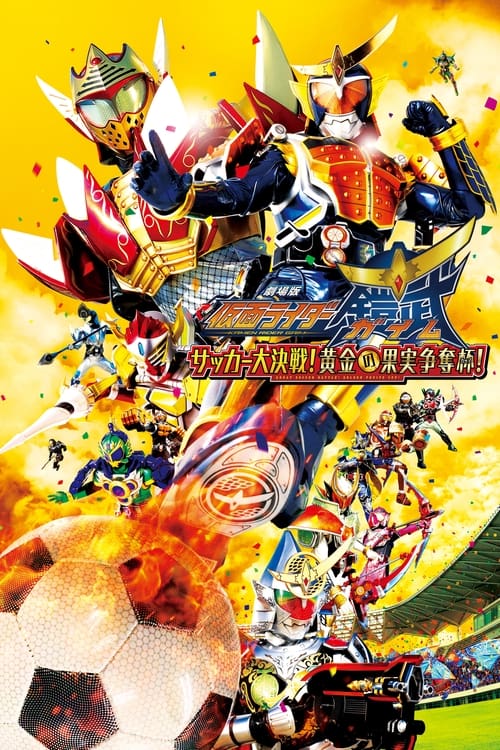
2014
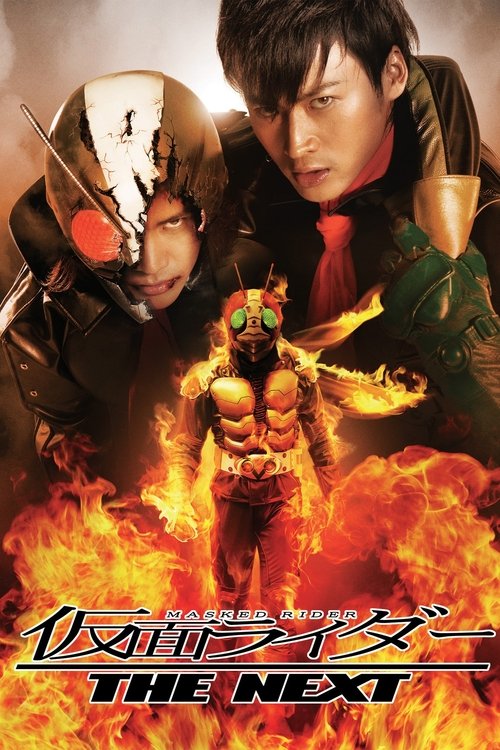
2007
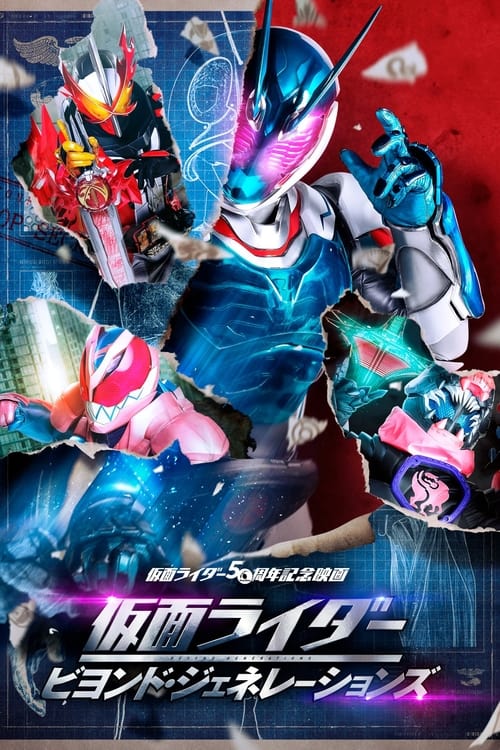
2021
No reviews yet. Be the first to share your thoughts on this movie!
Use the rating form above to leave a star rating and optional review.