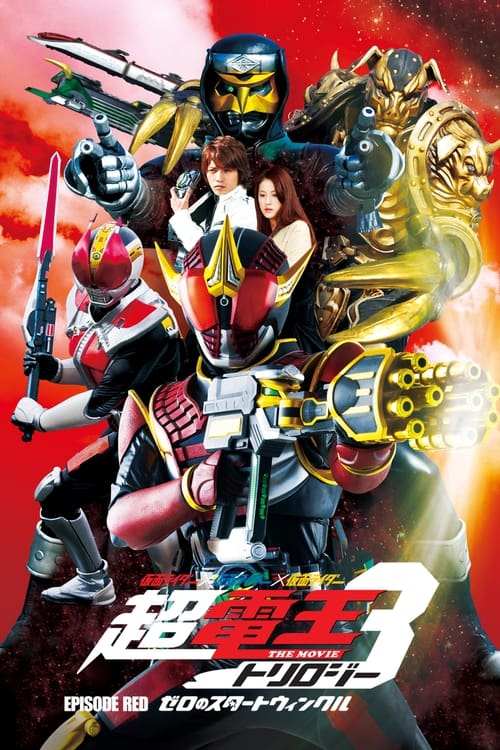
Super Kamen Rider Den-O Trilogy - Episode Red: Zero's Star Twinkle
2010
No user ratings available yet
Representation score: 5.7 out of 10
Representation Score
Fair
2008
Director
Osamu Kaneda
Runtime
83 minutes
Average Rating
No ratings yetNew Showbiz Analysis
The film is a conventional genre piece that prioritizes established heroic clichés and narrative continuity. It serves as a celebratory conclusion to a specific character arc rather than a tool for social critique. Representation remains within the standard parameters of mainstream Japanese action cinema, focusing on protecting the timeline and maintaining social stability, which reinforces traditional hierarchies and binary moral frameworks. Ultimately, the work lacks the intentionality needed to challenge social norms, opting instead to celebrate the existing temporal and social order.
Category Breakdown
The film follows traditional structures that assume everyone is straight or cisgender. There are no non-cisgender identities or same-sex relationships among the characters.
Female characters like Kohana and Airi play important roles in the emotional stakes of the story. However, they mostly fit into traditional supporting roles within a heroic protector archetype.
The cast and setting are predominantly Japanese, reflecting a domestic production. The narrative focuses on a localized perspective without intentional efforts to blend different racial backgrounds.
The story emphasizes preserving memory and social bonds. It reinforces the stability of the status quo without offering critical views on societal issues.
Ryotaro faces physical or social challenges, but this is framed as part of his character development. There is no detailed exploration of neurodivergence or chronic illness.
Present on Screen
Limited or Absent
Official Synopsis
When the Imagin and Kohana take a trip to visit Ryotaro and Airi, they are attacked by the legendary Ghost Train, and onboard are two Imagin and the evil Kamen Rider Yuuki, who is none other than Ryotaro! But when all hope seems lost, a blue DenLiner appears, delivering someone claiming to be Kamen Rider New Den-O! Just who is he, and can he help everyone save Ryotaro and save time once again?
2010
2011
2010
2008
2015
2007
2016
2009
No reviews yet. Be the first to share your thoughts on this movie!
Use the rating form above to leave a star rating and optional review.