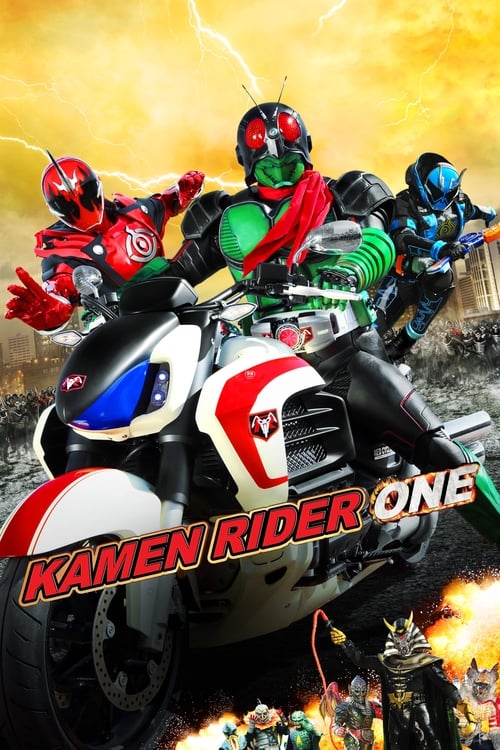
Kamen Rider #1
2016
No user ratings available yet
Representation score: 5.4 out of 10

Representation Score
Limited
2020
Director
Satoshi Morota
Runtime
64 minutes
Average Rating
No ratings yetNew Showbiz Analysis
The film operates strictly within the established clichés of the tokusatsu genre, prioritizing heroic archetypes and moral binaries. It utilizes sci-fi mechanics like time travel to drive plot rather than to explore social or systemic issues. Representation is limited by a focus on traditional masculinity and a homogeneous cast. While the narrative touches on physical limitation through injury, it treats disability as a plot device for character evolution rather than a nuanced study of lived experience. Ultimately, the work functions as a conventional hero's journey. It lacks depth in representing multiple aspects of identity, focusing instead on the personal ability to act of its male leads and the preservation of a specific historical timeline.
Category Breakdown
The story focuses on traditional masculine journeys and conventional interpersonal relationships. There is no evidence of non-straight or non-cisgender identities or narratives that question the assumption that everyone is straight or cisgender.
The narrative centers on male-driven struggles of destiny and duty. While Tsukuyomi is present as a romantic interest, she plays a supporting role while the male protagonists take a leading role in driving the story.
The cast remains homogeneous, reflecting a standard urban Japanese setting. There is no evidence of actors from diverse backgrounds being cast in roles traditionally expected to be filled by others.
The film reinforces a traditional binary of good versus evil through its focus on saviors and demon kings. It prioritizes historical preservation over critical examination of broader cultural or societal issues.
Geiz’s career-ending injury serves as a catalyst for his transformation into a vigilante. The film explores his grief without relying on clichéd inspirational stories.
Present on Screen
Limited or Absent
Official Synopsis
It's September 2018, and a group of high school students are more than ever excited to pursue their dreams. Sougo Tokiwa wants to become a desirable king, and Keito "Geiz" Myokoin works tirelessly to become the true judo champion while trying to impress his crush, Alpina Tsukuyomi. However, one day Geiz suffers a career-ending injury during a judo match in a judo tournament, forcing him to give up his dream of become a judo champion. While still grieving, he was met by a mysterious man, who wanted to give Geiz a Ridewatch and a Driver. "My name is Woz, I came here to guide you to become a savior. If not, Sougo Tokiwa will become the worst and evillest demon king." Meanwhile, a new transfer student leads him to nothing but one grand conspiracy.
2016

2018

2018
2019
2008
2022

2001

2016
No reviews yet. Be the first to share your thoughts on this movie!
Use the rating form above to leave a star rating and optional review.