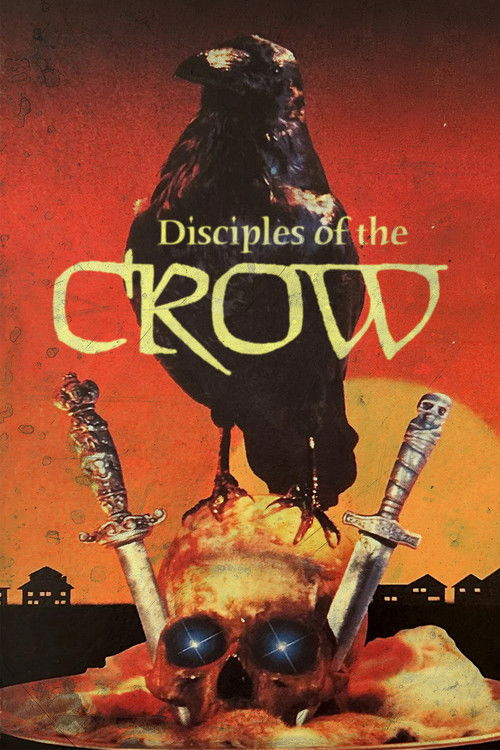
Disciples of the Crow
1983
No user ratings available yet
Representation score: 3.7 out of 10
Representation Score
Limited
1971
PGDirector
Bernard McEveety
Runtime
92 minutes
Average Rating
No ratings yetNew Showbiz Analysis
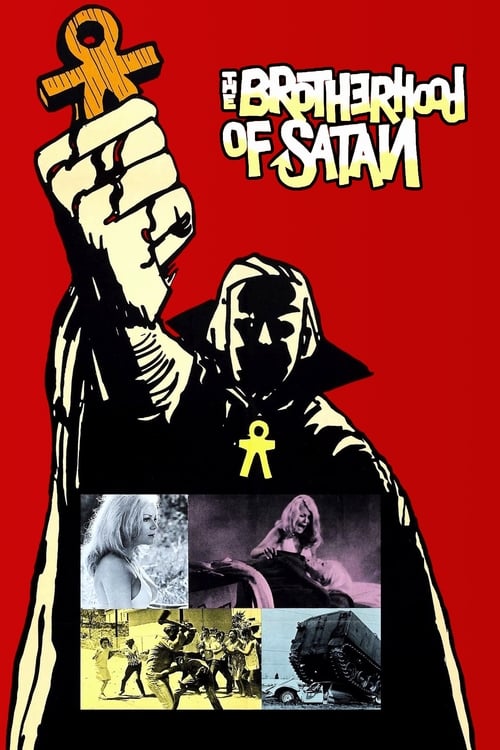
The Brotherhood of Satan functions as a typical 1970s exploitation horror film, emphasizing genre clichés and visceral thrills over social commentary. The narrative structure reinforces existing social hierarchies by focusing on a traditional family unit, limiting opportunities for diverse perspectives and disrupting mid-century norms. Ultimately, the film serves as a conventional genre piece without the complexity needed to challenge established norms.
Category Breakdown
The film does not include any LGBTQ+ characters or narratives. It centers on a traditional nuclear family, showing no engagement with non-straight identities.
The story adheres to traditional gender roles within a trapped family unit. Women do not play a significant role in driving the plot or challenging male leadership.
The desert town setting implies a homogeneous cast typical of 1970s horror films. The narrative lacks complexity around racial diversity and does not feature non-white characters prominently.
While the film examines cultism and religious deviance, it upholds the sanctity of the nuclear family. The cult is portrayed as a threat rather than a critique of societal norms.
There is no evidence regarding the portrayal of physical or neurodivergent characters in this film.
Present on Screen
Limited or Absent
Official Synopsis
A family is trapped in a desert town by a cult of senior-citizens who recruit the town's children to worship Satan.
1983

1977
1974
1964
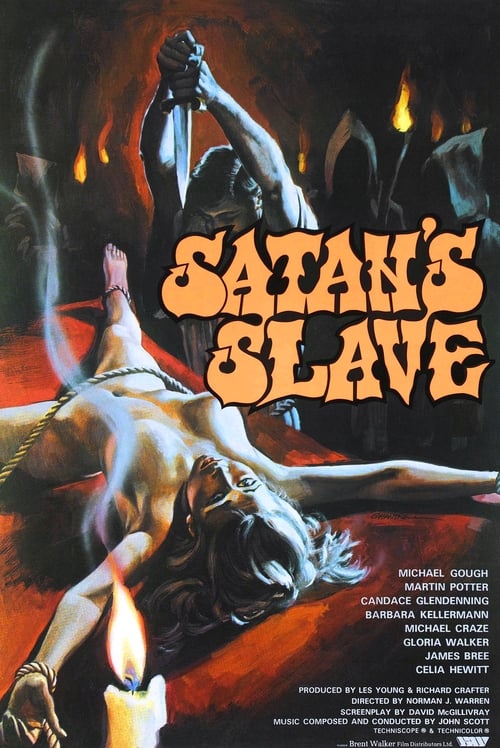
1976
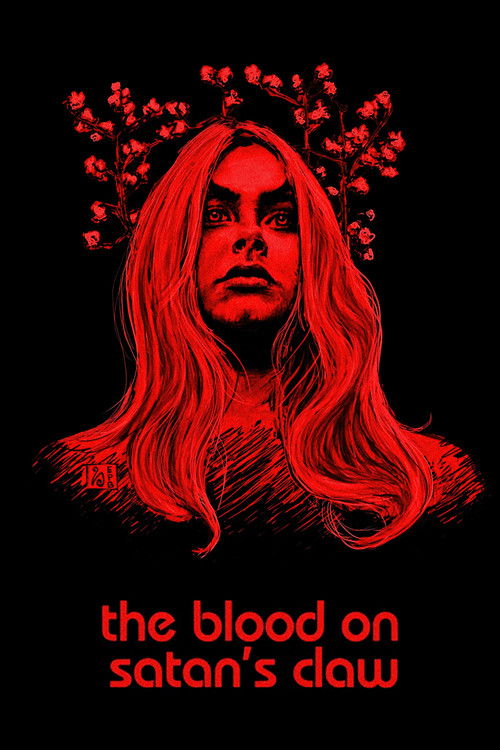
1971
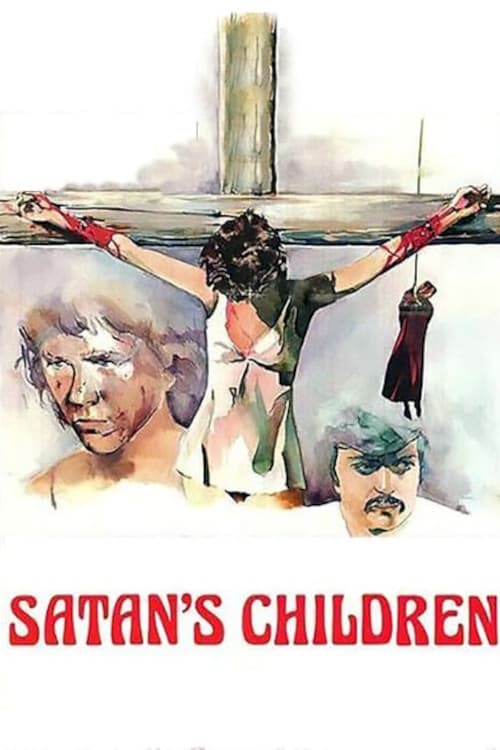
1975
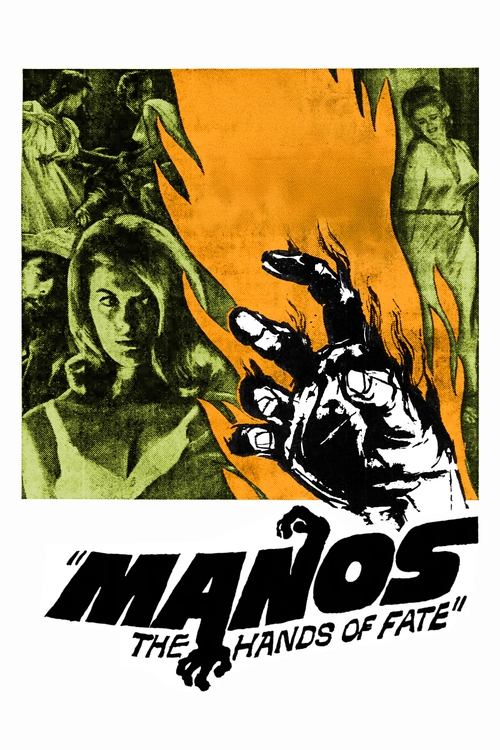
1966
No reviews yet. Be the first to share your thoughts on this movie!
Use the rating form above to leave a star rating and optional review.