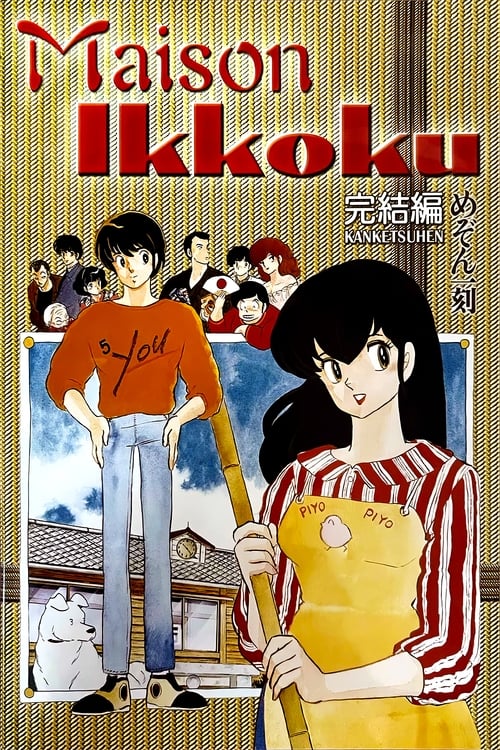
Maison Ikkoku: The Final Chapter
1988
No user ratings available yet
Representation score: 3.1 out of 10
Representation Score
Fair
2018
Director
Seimei Kidokoro
Runtime
105 minutes
Average Rating
No ratings yetNew Showbiz Analysis
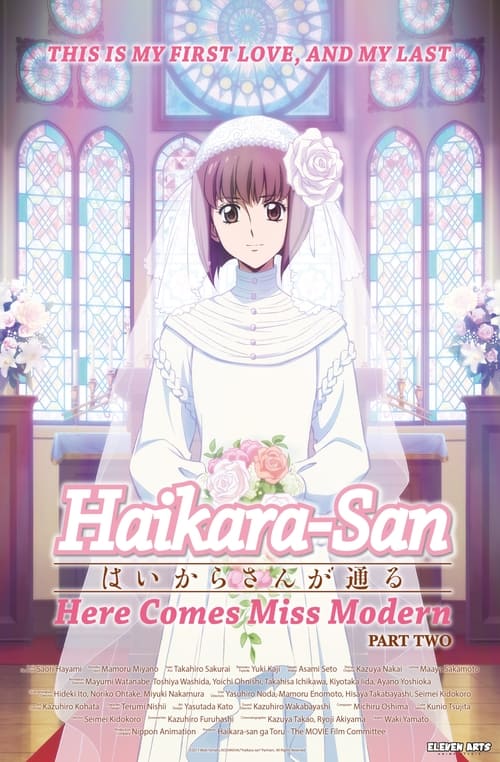
Haikara-san: Here Comes Miss Modern Part 2 is a character-driven drama that emphasizes individual ability to act over the rigid social structures of the Taisho era. The film's strength lies in its progressive portrayal of gender, focusing on a female protagonist who fights for professional and personal independence. While the film effectively critiques traditional domesticity, it remains limited by its historical and cultural context. The lack of explicit LGBTQ+ representation and the homogeneous cast reflect the era's setting but offer limited diversity. Ultimately, the film provides a meaningful exploration of autonomy, using the conflict between tradition and modernization to drive its emotional core.
Category Breakdown
The film touches on identity fluidity through Shinobu’s amnesia and his lost sense of self. However, it doesn't explicitly show queer romance or non-straight relationships.
Benio Hanamura stands out as a strong subversion of traditional femininity. She rejects domestic expectations and the submissive wife stereotype to pursue personal freedom.
The setting reflects a culturally homogeneous early 20th-century Japan. The narrative focuses on the blend of traditional Japanese identity and emerging Western influences.
The story challenges Western-influenced social norms and patriarchal structures. It highlights the tension between established institutions and the rise of individualism.
There are no visible or invisible disabilities portrayed as central to the character arcs or narrative development.
Present on Screen
Limited or Absent
Official Synopsis
In turn of the 20th Century Japan, a period characterized by widespread innovation and social restructuring, Benio Hanamura endeavors to take modernization to new heights. With a tomboy nature, Benio rails against traditional ideas that women should take care of the home—serving their husbands rather than pursuing their own dreams. Her values as a modern woman come under fire as the one man who supports her independence, Lieutenant Shinobu Ijuin, goes missing in action. Resurfacing back in Japan, Shinobu has lost all memory of his true identity. In this stunning sequel, will Benio be able to reconnect with Shinobu before she is married off to a new man?
1988
2020

2014

2020
1985
2001
2017
2001
No reviews yet. Be the first to share your thoughts on this movie!
Use the rating form above to leave a star rating and optional review.