
Sekaiichi Hatsukoi Movie
2014
No user ratings available yet
Representation score: 5.7 out of 10
Representation Score
Limited
1988
Director
Tomomi Mochizuki
Runtime
66 minutes
Average Rating
No ratings yetNew Showbiz Analysis
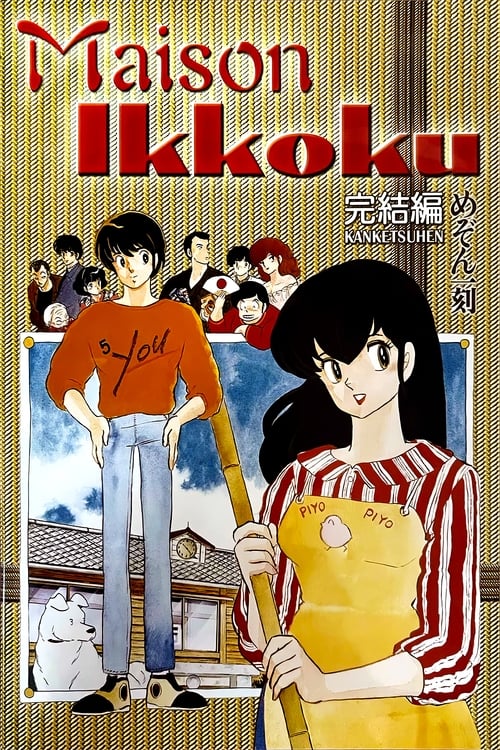
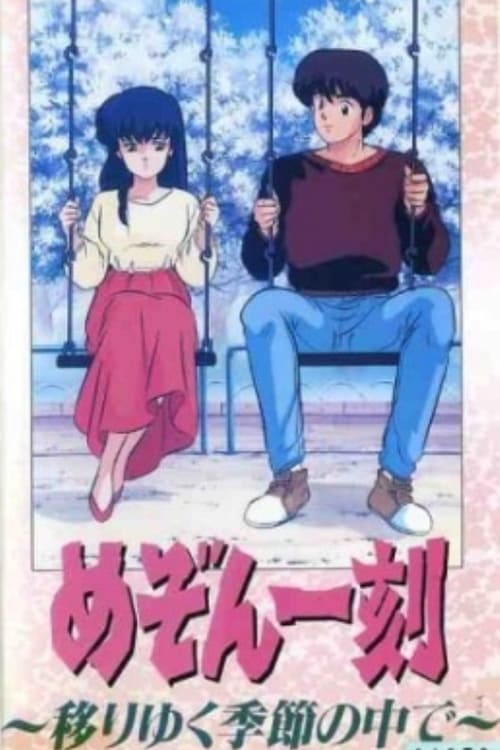
Maison Ikkoku: The Final Chapter is a character-driven melodrama that prioritizes emotional realism over social critique. The narrative is deeply rooted in the cultural and demographic norms of late-80s Japan, focusing on the personal growth and romantic resolution of its leads. While the film provides a significant role in driving the story to its female lead, it operates within a conventional framework. The story lacks diverse representation, focusing instead on a homogeneous cast and traditional romantic structures.
Category Breakdown
The story focuses on a traditional romantic resolution between the main protagonists. It does not explore non-traditional gender identities or challenge assumptions about straight relationships.
The plot centers on the emotional journey of the female protagonist as she navigates adulthood. While it prioritizes her perspective and avoids passive stereotypes, it remains within the typical framework of a romantic drama.
The cast and setting are culturally homogeneous, reflecting the demographic context of 1980s Japan. There is no indication of multicultural casting or diverse casting choices.
The film follows standard dramatic conventions centered on personal milestones and romantic resolution. It does not challenge traditional institutions like the family or promote secular viewpoints.
No visible or invisible disabilities are portrayed as central to the character arcs or the plot progression.
Present on Screen
Limited or Absent
Official Synopsis
Yagami comes to Maison Ikkoku, not knowing of Godai's and Kyoko's wedding, stating that she is now an adult, which she is, not knowing how to tell her, they panic, but she finds out in the end, and is heart broken.
2014
1993
1988

2014
1988
2018

2007
1988
No reviews yet. Be the first to share your thoughts on this movie!
Use the rating form above to leave a star rating and optional review.