
Urusei Yatsura: Ryoko's September Tea Party
1985
No user ratings available yet
Representation score: 4.7 out of 10
Representation Score
Good
2001
Director
Kazuo Yamazaki
Runtime
45 minutes
Average Rating
No ratings yetNew Showbiz Analysis
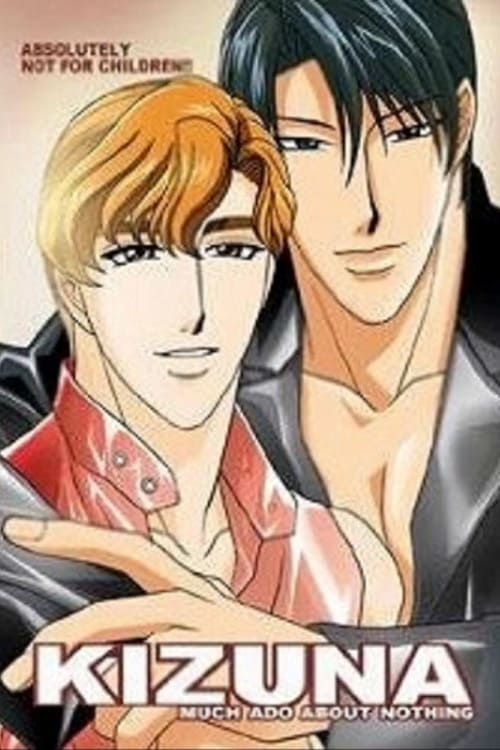
Kizuna: Much Ado About Nothing is a character-driven study of a same-sex relationship. It avoids the common cliché of 'coming out' stories, focusing instead on the nuanced, everyday complexities of a long-term partnership. The film treats the protagonists' relationship with normalcy, allowing the conflict to stem from communication issues and suspicion rather than societal oppression. This approach provides a sophisticated look at emotional uncertainty. While the film excels in its focus on the relationship, it remains narrow in scope. The heavy emphasis on male emotionality and a specific cultural aesthetic means it lacks broader racial or gender diversity.
Category Breakdown
The film focuses on the romantic relationship between Enjouji and Ranmaru, emphasizing internal relationship dynamics rather than external prejudice. It allows the characters to take significant control over their relationship.
The narrative prioritizes emotional vulnerability and intelligence over traditional masculine clichés. However, it limits itself to male interpersonal dynamics, offering fewer perspectives on gender.
The work showcases a specific cultural aesthetic through its animation style but lacks multi-ethnic casting or broader racial diversity.
The story emphasizes personal truth and subjective morality, exploring how individual perceptions and emotions shape the stability of a relationship.
There is no indication of characters dealing with physical, neurodivergent, or mental health disabilities in the provided narrative.
Present on Screen
Limited or Absent
Official Synopsis
In this third part of the series Enjouji and Ranmaru are a mostly-happy couple, but when Ranmaru finds lipstick on Enjouji, he becomes suspicious and leaves in a huff. Enjouji follows Ranmaru throughout the day. As they do so, the two men think about their past and their uncertain future.
1985

2022

2007
2020

1994
1998
2001
2013
No reviews yet. Be the first to share your thoughts on this movie!
Use the rating form above to leave a star rating and optional review.