
Pearl of the South Pacific
1955
No user ratings available yet
Diversity score: 1.9 out of 10
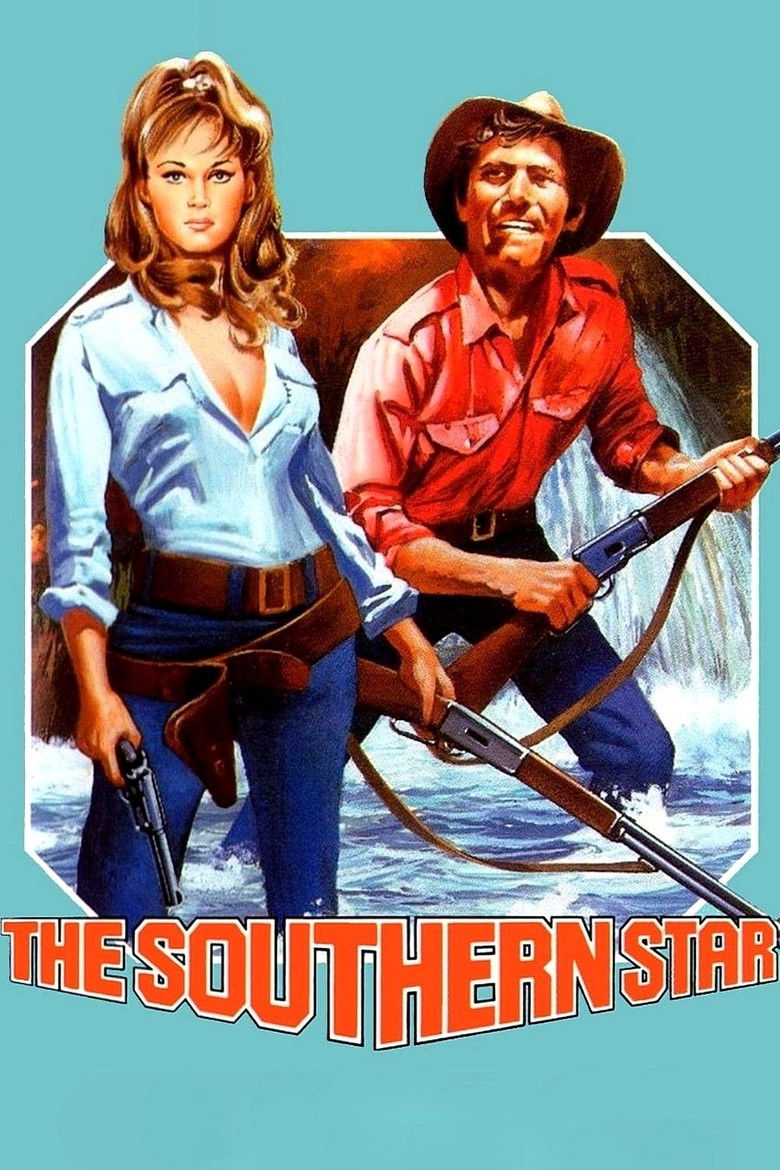
1969
PGDirector
Sidney Hayers
Runtime
104 minutes
Average Rating
No ratings yetSynopsis
Comedy adventure based on a Jules Verne novel about the ups and downs of jewel thieves in the wilds of Africa circa 1900. George Segal is the appealing hero-heel and Ursula Andress is visually stunning as the lady in the proceedings. Orson Welles has a small role.
Overall Score
Limited
Category Breakdown
LGBTQ+ Representation
The film offers no evidence of non-heteronormative identities. It appears to adhere to the conventional romantic and gendered social roles typical of 1969 adventure cinema.
Gender Representation
Ursula Andress is framed as a visually stunning figure, suggesting a reliance on the male gaze. While she is a central figure, her actual agency remains unverified.
Racial & Ethnic Diversity
Set in 1900s Africa, the film likely centers on Western protagonists navigating foreign landscapes. It reflects the colonial-era perspectives common to its source material.
Religious & Cultural Diversity
The narrative is rooted in Western adventure ideals derived from Jules Verne. It lacks any indication of anti-colonial sentiment or diverse cultural perspectives.
Disability Representation
There is no information available regarding the depiction of physical or neurodivergent characters in this production.
Strengths
Areas for Improvement
AI Analysis
The Southern Star is a traditional adventure-comedy that functions within the established cinematic norms of the late 1960s. It prioritizes genre tropes, such as the 'hero-heel' archetype and visual spectacle, over the inclusion of intersectional perspectives. The film's setting and source material suggest a narrative lens centered on Western protagonists. This framework likely reinforces colonial-era perspectives rather than challenging them through diverse character agency or social subversion.
1955

1949
1964

1951

1940
1952

1957

1966
1960
1968
1950
1959
No reviews yet. Be the first to share your thoughts on this movie!
Use the rating form above to leave a star rating and optional review.