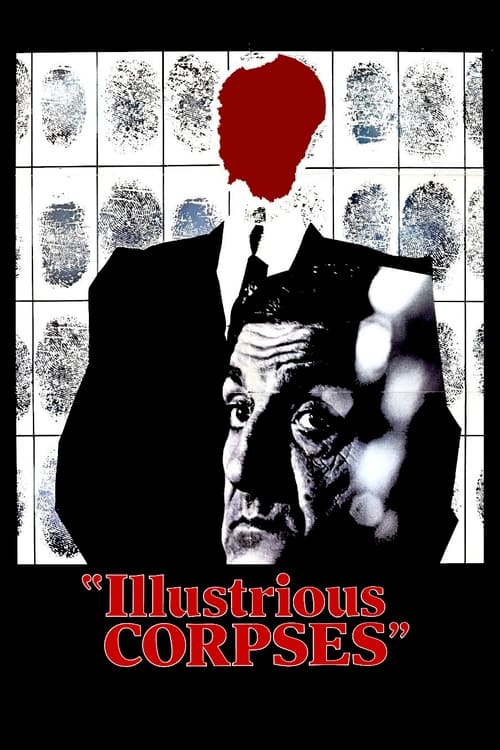
Illustrious Corpses
1976
No user ratings available yet
Diversity score: 3.3 out of 10

1967
Director
Žika Mitrović
Runtime
85 minutes
Average Rating
No ratings yetSynopsis
A popular folk singer is found murdered. Two police detectives are investigating his past in order to catch the killer.
Overall Score
Fair
Category Breakdown
LGBTQ+ Representation
The film lacks any documented presence of LGBTQ+ characters or non-heteronormative identities. It adheres to the thematic focuses of 1960s Yugoslav partisan cinema, prioritizing collective struggle over individual identity politics.
Gender Representation
Women are incorporated into the resistance movement, acknowledging their historical agency in guerrilla warfare. While the narrative maintains a traditional focus on male combatants, women are portrayed as active participants rather than passive bystanders.
Racial & Ethnic Diversity
The cast features South Slavic actors, reflecting the ethnic complexity of the Yugoslav theater. The film uses the diverse identities within the resistance to symbolize regional unity against foreign occupiers.
Religious & Cultural Diversity
The film prioritizes secularism and class struggle over religious institutions. It uses a Marxist-Leninist framework to critique capitalist and fascist hierarchies through the lens of the proletariat and peasantry.
Disability Representation
There is no significant evidence of characters with disabilities being afforded agency. The film focuses on physical perfection for combatant roles and does not use disability for character development.
Strengths
Areas for Improvement
AI Analysis
The Knife functions as a historical interrogation of power, utilizing the Partisan resistance to critique systemic structures. It replaces individualist heroics with a collective, class-based framework of liberation that aligns with the ideological tenets of its era. While the film excels in cultural and ideological subversion, it lacks contemporary intersectional markers. The narrative's strength lies in its deconstruction of traditional Western-aligned power structures and its emphasis on revolutionary social orders. Ultimately, the film provides a sophisticated critique of oppression through its commitment to class-based liberation, even as it remains limited by the social constraints of 1960s Yugoslav cinema.
1976
1982
1986
2014
1960
1999
1992
1953
1994
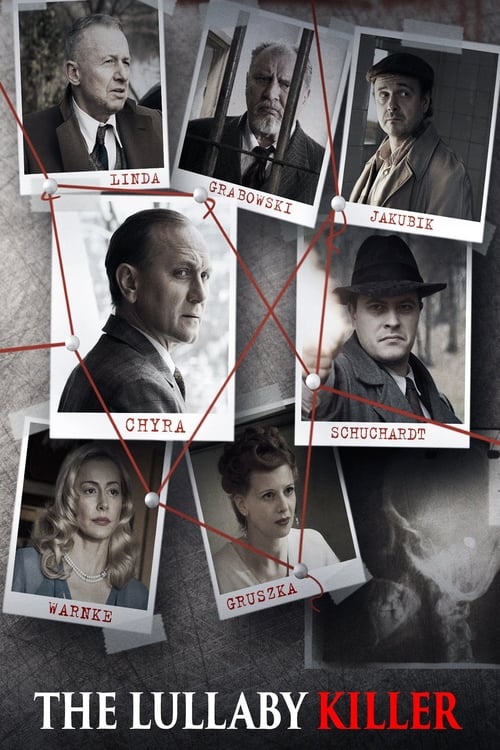
2017
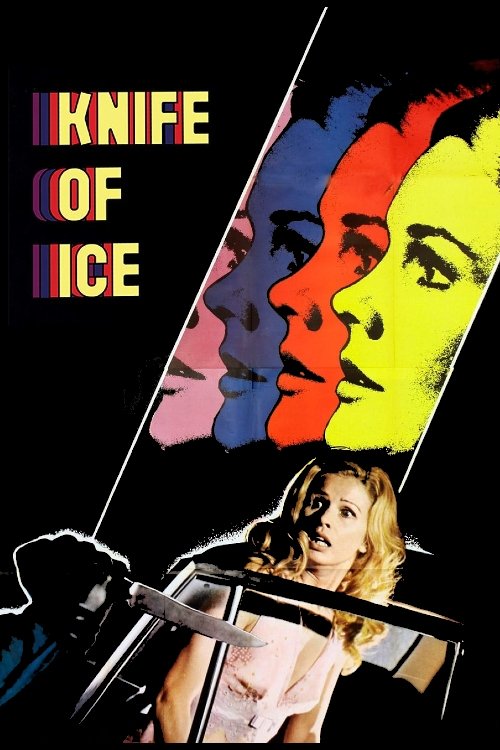
1972
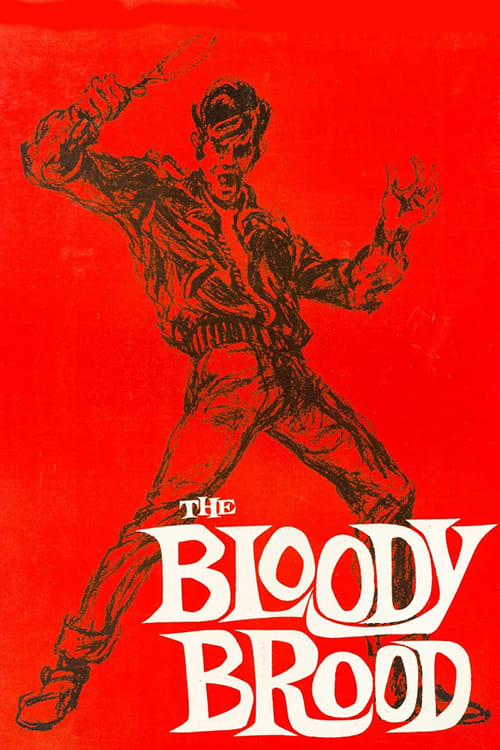
1959
No reviews yet. Be the first to share your thoughts on this movie!
Use the rating form above to leave a star rating and optional review.