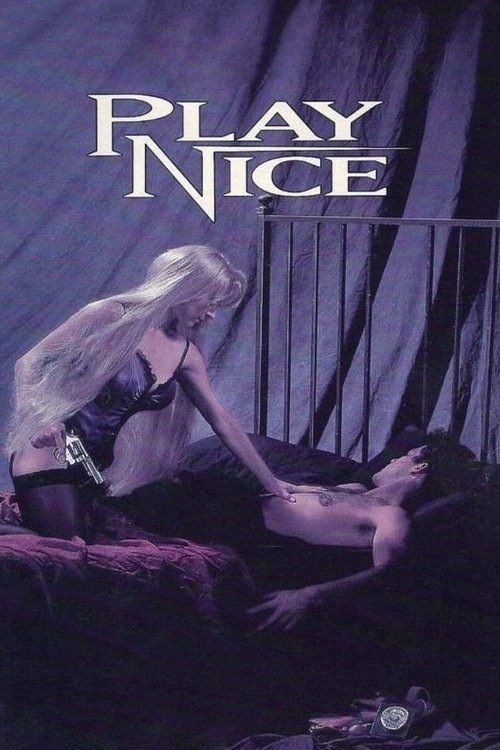
Play Nice
1992
No user ratings available yet
Representation score: 3.1 out of 10
Representation Score
Minimal
1992
PG-13Director
John Carr
Runtime
94 minutes
Average Rating
No ratings yetNew Showbiz Analysis
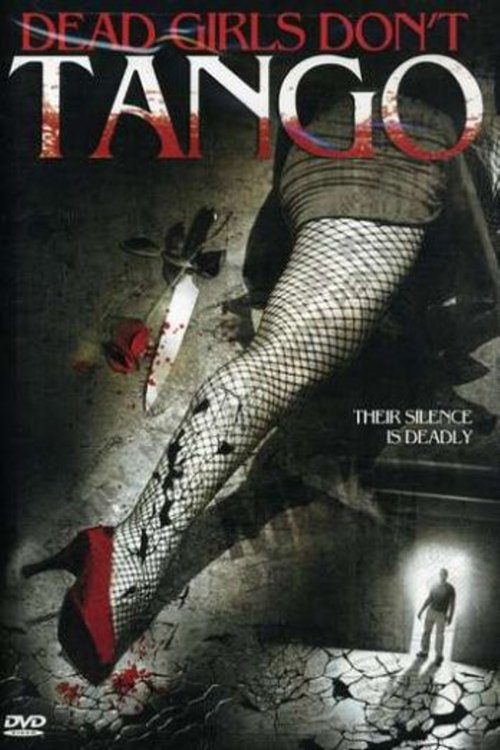
Dead Girls Don't Tango operates as a conventional crime thriller from the early 1990s. The story centers on a police inspector hunting a serial killer who leaves a unique signature, relying on well-established genre clichés rather than social subversion. The film lacks meaningful representation for underrepresented groups. It does not include LGBTQ+ themes, racial diversity, or characters with disabilities. The narrative structure prioritizes the procedural hunt over storytelling that reflects multiple aspects of identity. Ultimately, the film remains a standard genre piece without attempting to challenge social hierarchies or provide visibility to diverse identities.
Category Breakdown
The film centers around a serial killer and a police inspector in a procedural thriller setting. It does not include any LGBTQ+ themes, same-sex relationships, or non-cisgender identities.
The title implies a focus on female victims, but it is unclear if women play a significant role in driving the story. The narrative follows traditional genre conventions without challenging gender hierarchies.
The film adheres to typical early 1990s genre clichés. There is no indication of a diverse cast or inclusion of non-white or non-Anglo-Saxon characters.
The plot revolves around a standard pursuit of a criminal within institutional frameworks. It does not explore moral relativism or deconstruct Western institutions.
There is no evidence of characters with visible or invisible disabilities. The film does not feature neurodivergent characters with ability to act.
Present on Screen
Limited or Absent
Official Synopsis
Police inspector must stop a serial killer who dances tango with his victims before strangling them.
1992
1982

1994
1942

1994

1988
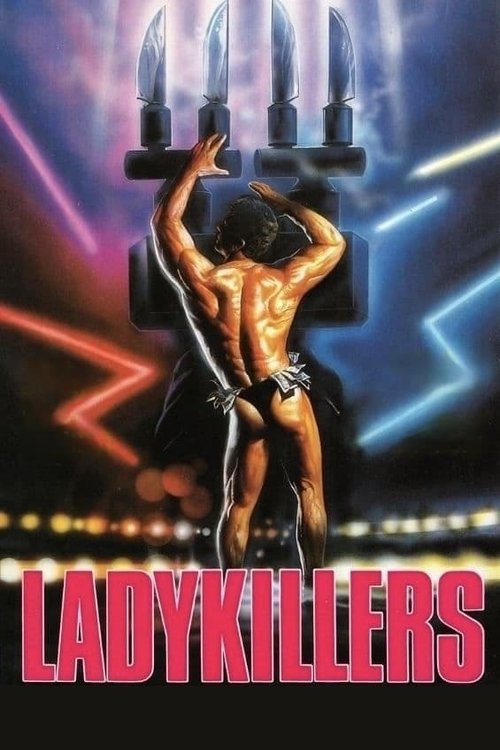
1988

1984
No reviews yet. Be the first to share your thoughts on this movie!
Use the rating form above to leave a star rating and optional review.