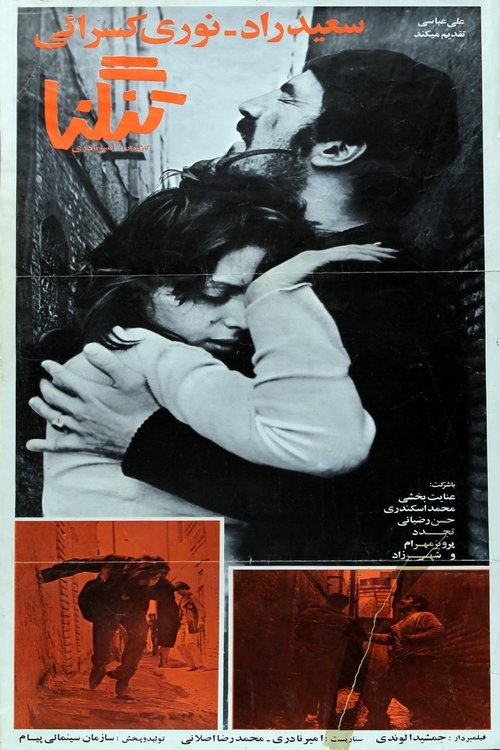
Strait
1973
No user ratings available yet
Representation score: 3.1 out of 10
Representation Score
Limited
1959
UnratedDirector
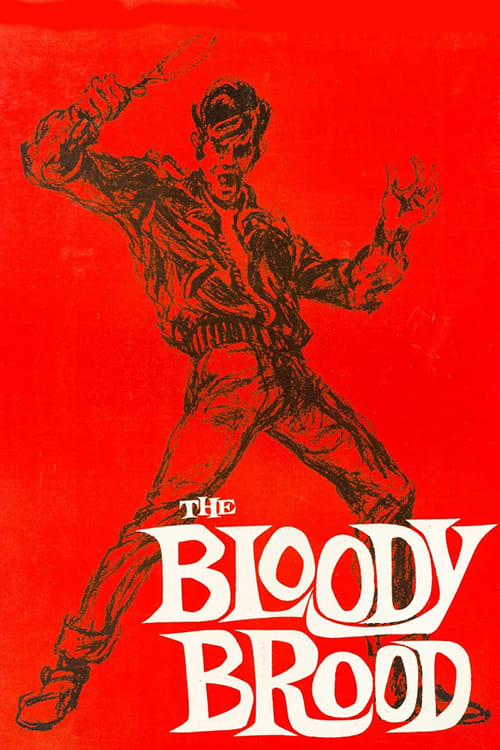
Julian Roffman
Runtime
88 minutes
Average Rating
No ratings yetNew Showbiz Analysis
The Bloody Brood is a period piece that prioritizes thematic subversion over demographic variety. It captures the nihilistic spirit of the late 1950s counter-culture, offering a cynical look at the Beat Generation that challenges the era's standard moral frameworks. However, this cultural engagement comes at the expense of social diversity. The film remains anchored in the demographic norms of its time, featuring a largely homogenous cast and a narrative structure that favors male-centric crime clichés. Ultimately, the film's strength lies in its rejection of institutional stability and traditional social order, even as it fails to provide meaningful representation for underrepresented identities.
Category Breakdown
The film doesn't include any visible LGBTQ+ characters or non-straight identities. Although the Beat subculture often occupied unique social spaces, the story focuses on crime without showing explicit queer representation.
The story centers around a male-dominated criminal underworld and a male protagonist. While there are female actors, the narrative focuses mainly on the actions of male characters.
The production reflects the demographic homogeneity typical of 1959 North American crime dramas. There is no indication of a diverse or non-Anglo-Saxon majority cast.
The film challenges the moralism of the 1950s by depicting drug use and senseless violence without immediate condemnation. It explores the anti-establishment sentiments of the Beat Generation.
There is no evidence regarding the portrayal of physical or neurodivergent disabilities within the film's narrative.
Present on Screen
Limited or Absent
Official Synopsis
Nico, a drug dealer, murders a telegram messenger-boy "for kicks", egged on by partner-in-crime, TV director Francis. Cliff, the boy's older brother, investigates his death due to the slow progress made by the police.
1973
1958
1957
1949
1951
1971
1963
1948
No reviews yet. Be the first to share your thoughts on this movie!
Use the rating form above to leave a star rating and optional review.