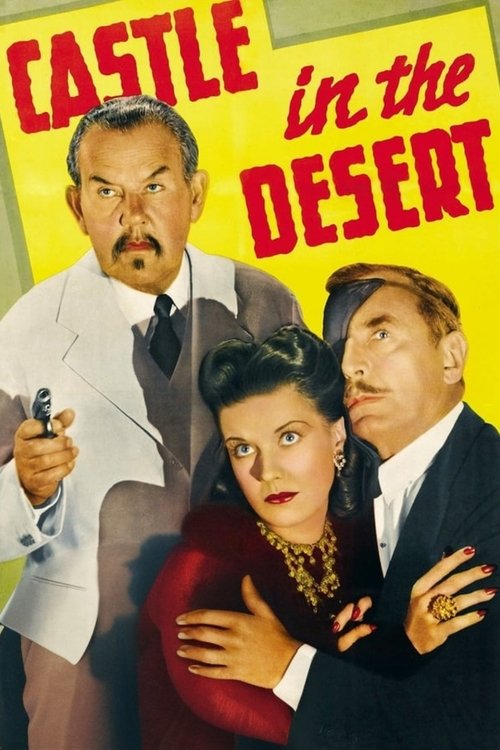
Castle in the Desert
1942
No user ratings available yet
Diversity score: 2.3 out of 10
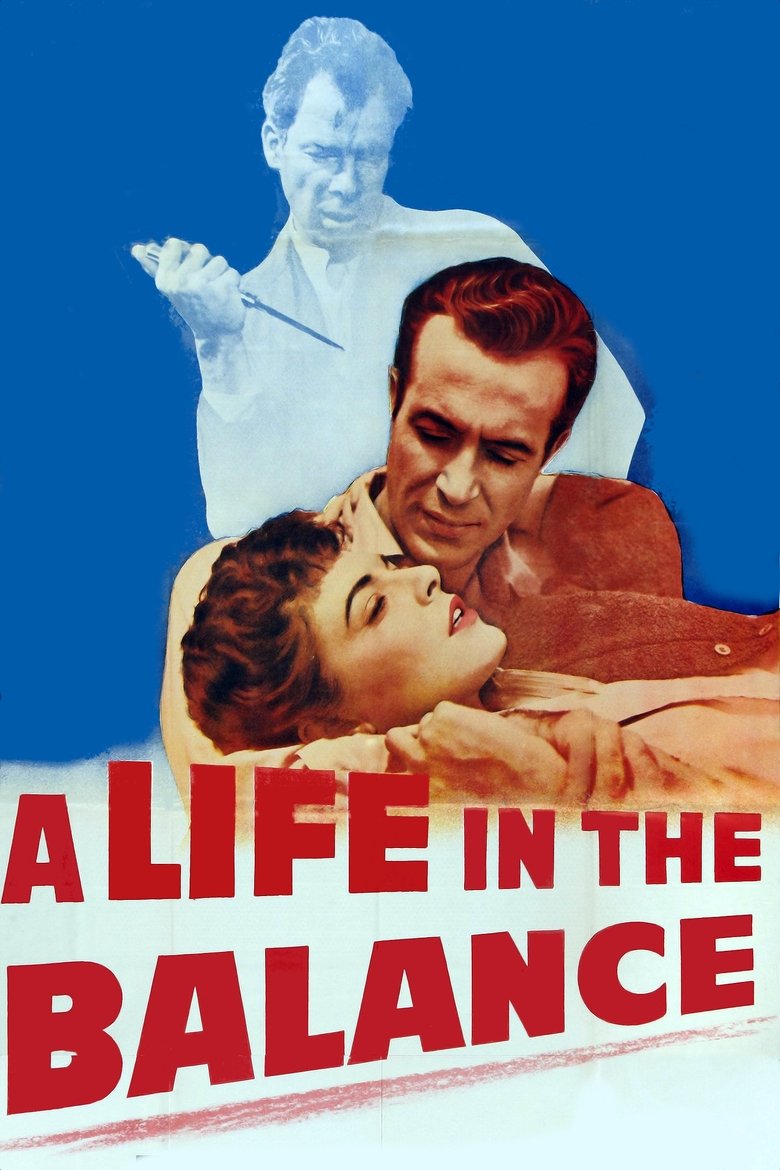
1955
Director
Harry Horner, Rafael Portillo
Runtime
74 minutes
Average Rating
No ratings yetSynopsis
A widower's young son leads the police to a killer of sinners in Mexico City.
Overall Score
Limited
Category Breakdown
LGBTQ+ Representation
The film lacks any evidence of non-cisnormative identities. It appears to operate within the rigid social frameworks of 1955, prioritizing traditional domestic structures.
Gender Representation
The narrative centers on a widower and his son, emphasizing patriarchal lineage. Female characters likely occupy traditional roles of domesticity or victimization common to the era.
Racial & Ethnic Diversity
Set in Mexico City, the film offers regional inclusion. However, the mystery genre often utilizes local populations through a lens of external observation rather than high-agency representation.
Religious & Cultural Diversity
The 'killer of sinners' premise relies on traditional moral binaries and religious concepts of retribution. This reinforces singular moralities and the traditional family unit.
Disability Representation
There is no documented evidence regarding the portrayal of physical or neurodivergent disabilities in this production.
Strengths
Areas for Improvement
AI Analysis
A Life in the Balance is a mid-century crime thriller that adheres closely to the social hierarchies of its time. The story focuses on a patriarchal lineage, centered on a widower and his son, which limits the scope of gendered agency. While the Mexico City setting provides a foundation for ethnic diversity, the film's reliance on religious moral binaries suggests a conventional approach to storytelling. It functions as a standard genre piece rather than a work of intersectional subversion. Ultimately, the film reinforces established social structures and traditional family pillars typical of 1950s cinema.
1942

1941

1957
1967
1987
1951
1963
1956
1975
No reviews yet. Be the first to share your thoughts on this movie!
Use the rating form above to leave a star rating and optional review.