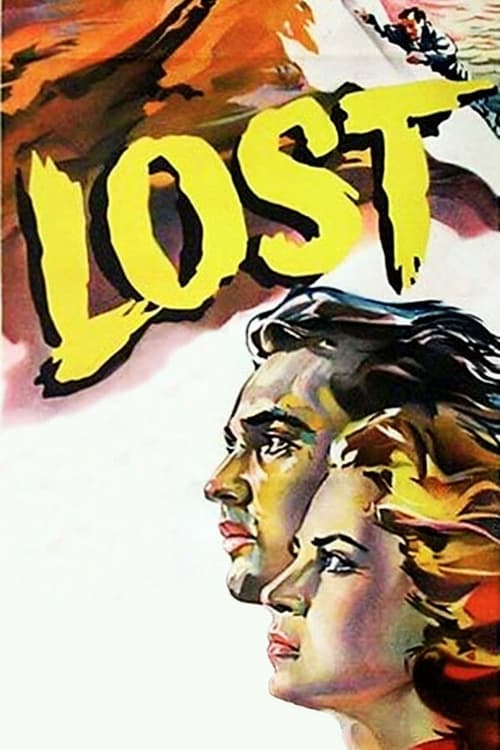
Lost
1956
No user ratings available yet
Representation score: 0.6 out of 10
Representation Score
Minimal
1956
NRDirector
Henry Hathaway
Runtime
103 minutes
Average Rating
No ratings yetNew Showbiz Analysis
This mid-century crime thriller adheres to the social hierarchies and demographic norms of 1950s cinema. It functions as a traditional mystery that prioritizes genre clichés over social disruption. The film maintains a homogenous and heterosexual worldview, lacking intentionality regarding race, gender, or LGBTQ+ representation. While the protagonist's disability is central to the plot, it is used primarily as a functional tool for suspense. Ultimately, the work reinforces established Western institutions and conventional social structures rather than challenging them.
Category Breakdown
The film operates within a strictly heterosexual and cisgender framework. It offers no representation of non-binary gender identities or critiques of traditional gender roles.
Narrative ability to act is largely centered around male figures. Female characters, such as the ex-fiancée, occupy supporting roles rather than driving the plot independently.
The cast is predominantly white, reflecting the demographic homogeneity of mid-century London. The production lacks intentional efforts toward color-blind casting or diverse ethnic perspectives.
The story reinforces traditional Western institutional structures and conventional morality. It follows a standard investigative trajectory that respects established social orders.
The protagonist's blindness serves as a central plot device to heighten suspense. The depiction focuses on the sensory obstacle rather than a nuanced exploration of lived experience.
Present on Screen
Limited or Absent
Official Synopsis
Philip Hannon, a blind playwright living in London, overhears part of a conversation , that leads him into a desperate race, to find a kidnapped child. When he gets no help from the police, he along with his butler, and his ex fiancée, attempt to track down the crooks.
1956

1933
1937

1942
1935
1946
1936
1934
No reviews yet. Be the first to share your thoughts on this movie!
Use the rating form above to leave a star rating and optional review.