Tony Rome
1967
No user ratings available yet
Representation score: 3.6 out of 10
Representation Score
Minimal
1957
NRDirector
George White, Victor Saville
Runtime
91 minutes
Average Rating
No ratings yetNew Showbiz Analysis
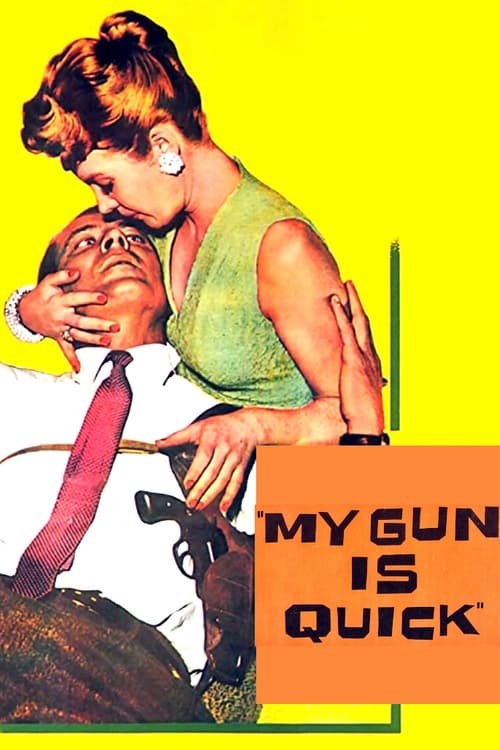
My Gun Is Quick is a standard mid-century crime thriller that operates strictly within the social norms of its time. The film relies on established genre clichés, centering the narrative on a male detective navigating a world of jewel thieves. Representation is minimal and conventional. The film lacks intentionality in challenging traditional clichés, instead reinforcing the status quo through its casting and character roles. It serves as a snapshot of 1950s cinematic norms rather than a work of progressive storytelling.
Category Breakdown
The film does not include any LGBTQ+ characters or representations of non-straight relationships. It adheres to the strict social and censorship standards typical of 1957 crime cinema.
Female characters are portrayed within traditional roles, such as victims or femmes fatales. The narrative emphasizes the male investigator as the primary figure of intellect and order.
The production reflects the homogeneous casting norms of the 1950s. The story focuses on a traditional Anglo-centric perspective common to mid-century crime fiction.
The story follows Western genre conventions, emphasizing law enforcement and justice. It reinforces social stability without critiquing Western institutions.
There is no information available regarding the portrayal of physical or neurodivergent disabilities in this work.
Present on Screen
Limited or Absent
Official Synopsis
Detective Mike Hammer's investigation of a murder puts him in the middle between warring jewel thieves.
1967
1952
1946
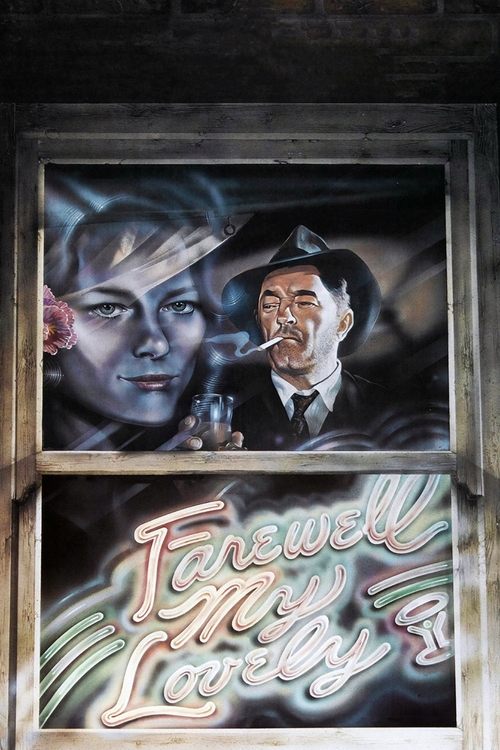
1975
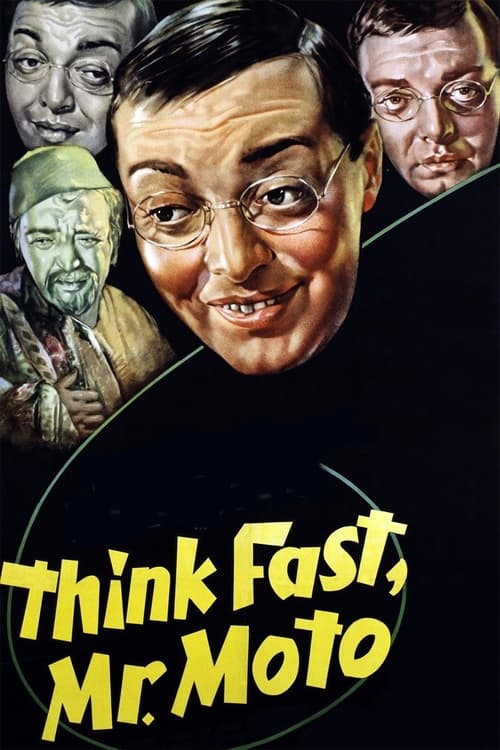
1937
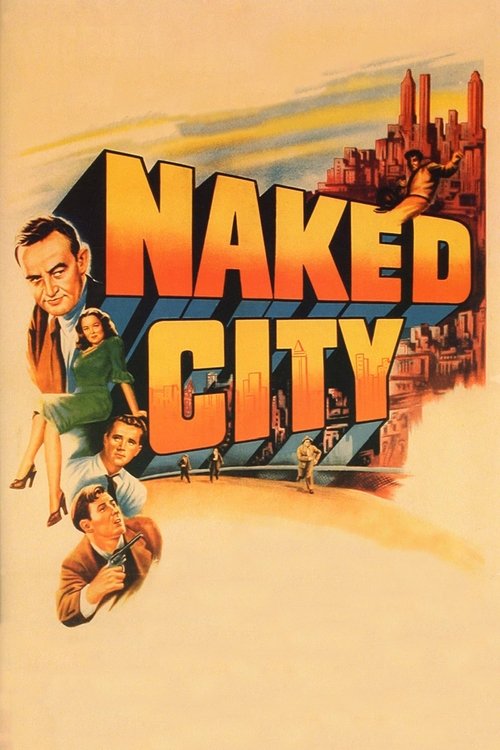
1948
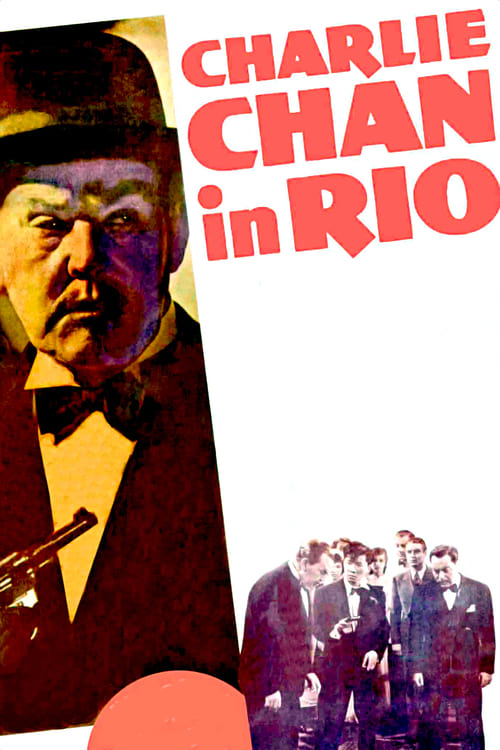
1941
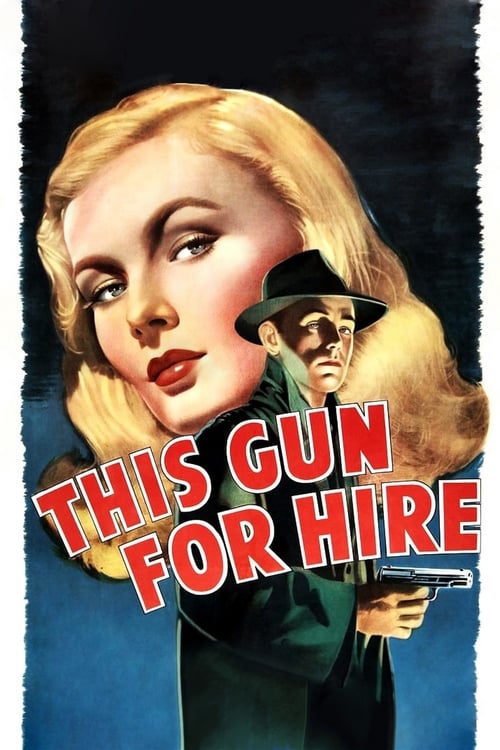
1942
No reviews yet. Be the first to share your thoughts on this movie!
Use the rating form above to leave a star rating and optional review.