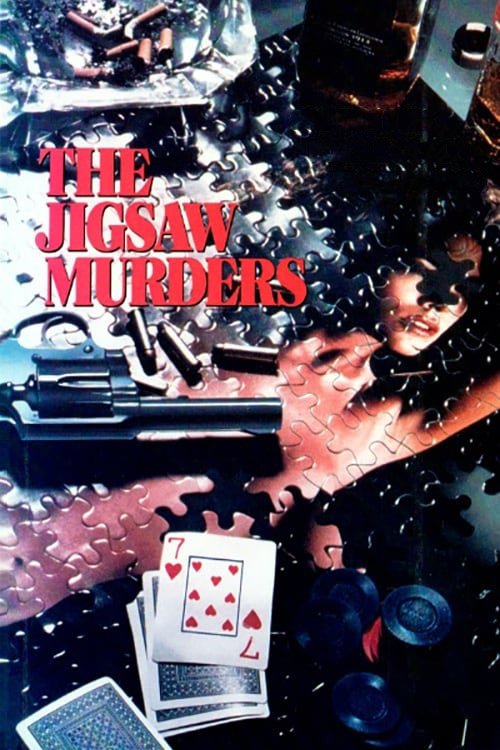
The Jigsaw Murders
1989
No user ratings available yet
Representation score: 1.1 out of 10
Representation Score
Limited
1987
RDirector
Fred Walton
Runtime
105 minutes
Average Rating
No ratings yetNew Showbiz Analysis
The film follows traditional mystery conventions, emphasizing genre standards over complex representations of intersecting identities. Although it places women in central roles within a convent, it does not challenge the existing power structures. The production sticks closely to the demographic and institutional norms of its time, maintaining a predominantly white cast and reinforcing religious traditions without critique. Overall, the film focuses on established social and religious hierarchies, lacking representation across many identity categories.
Category Breakdown
The film does not include any representations of same-sex relationships or non-cisgender identities within the religious context.
Women play important roles in the film, particularly within the convent setting, but their actions are still influenced by the existing religious hierarchy.
The cast is primarily made up of white actors, reflecting the historical context of the 1987 setting without introducing diverse casting.
The story is centered around traditional Western Catholic institutions, reinforcing religious norms without presenting alternative or critical viewpoints.
The film does not depict any characters with physical or cognitive disabilities, nor does it use such conditions as central plot elements.
Present on Screen
Limited or Absent
Official Synopsis
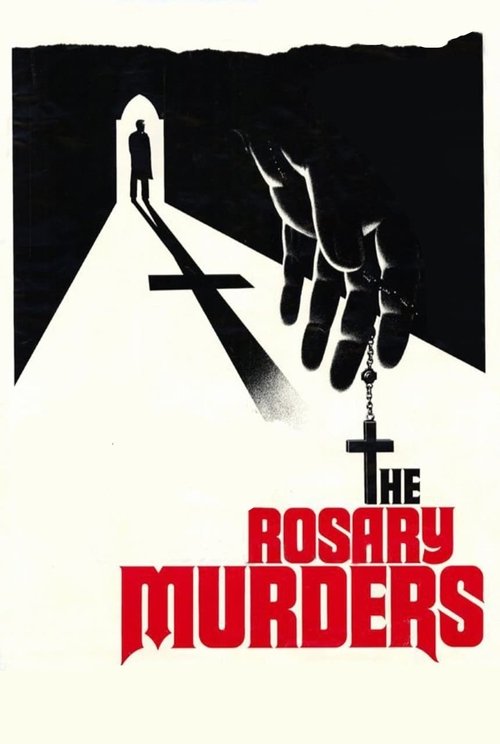
A priest is put in a dilemma when the serial killer who has been murdering priests and nuns confesses to him.
1989
1960
1955
1953
1992
1981
1985
1976
No reviews yet. Be the first to share your thoughts on this movie!
Use the rating form above to leave a star rating and optional review.